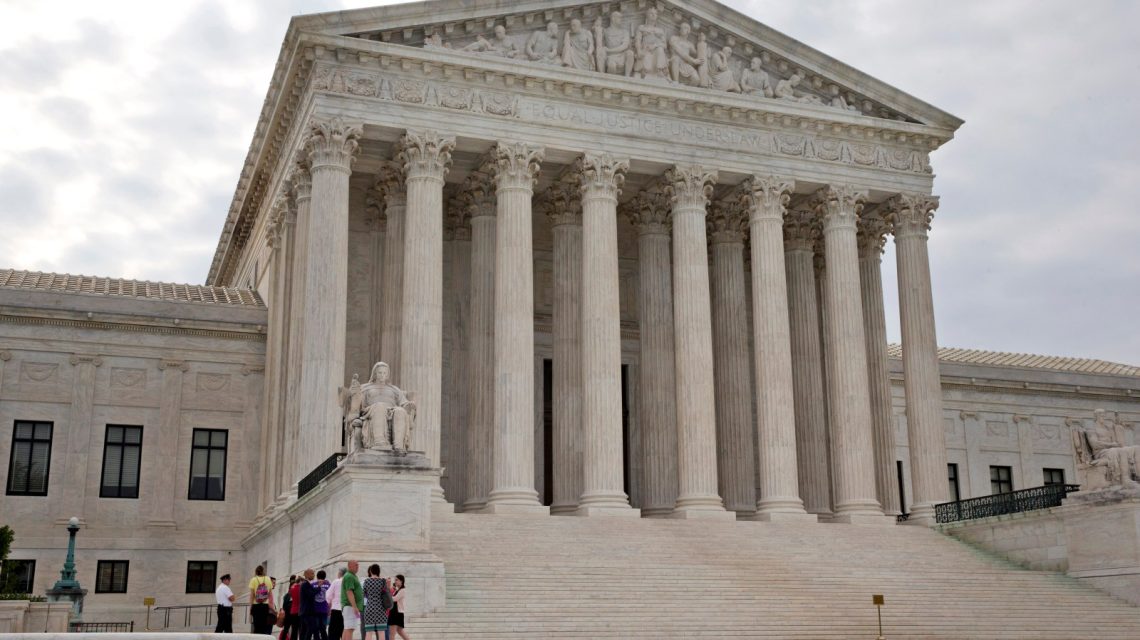
The Supreme Court’s conservative majority has ruled against a Rastafarian inmate, Damon Landor, setting a precedent that might affect religious freedom protections for federal prisoners. In a 6-3 decision, the court determined that Landor cannot seek financial damages from individual Louisiana prison officials under the Religious Land Use and Institutionalized Persons Act (RLUIPA). This decision deviates from the court’s prior trend of supporting claimants seeking religious exemptions.
Case Background
Landor, a committed Rastafarian, claimed that prison staff forcibly shaved his dreadlocks in 2020, violating his faith, which requires uncut hair. He presented a previous court ruling that supported religious protections for Rastafarian inmates, but officials allegedly ignored it. The Supreme Court focused on whether RLUIPA permits individuals to collect damages from state employees personally. The majority, led by Justice Neil Gorsuch, concluded it does not.
According to the court, RLUIPA operates under Congress’s Spending Clause authority, permitting liability on entities that have accepted federal funding conditions. The Louisiana prison system accepted these conditions, but individual officers did not. Therefore, prison staff cannot be held personally liable under RLUIPA.
Dissenting Opinion and Reactions
Justice Ketanji Brown Jackson and the liberal justices dissented, arguing the decision leaves religious-liberty violation victims without effective recourse, undermining Congress’s efforts to protect religious exercise in prisons. Human rights advocates criticize the ruling, including the ACLU’s Daniel Mach, vowing to continue efforts to defend incarcerated individuals’ rights to practice their faith.
The decision raises concerns due to its divergence from past religious liberty rulings, where the court often favored claimants. Cases like Roman Catholic Diocese of Brooklyn v. Cuomo and Kennedy v. Bremerton School District emphasized protecting religious practices over governmental restrictions.
Understanding the Distinctive Nature of Landor’s Case
The majority distinguished Landor’s case based on the remedy’s source, not the worth of religious freedom. Unlike prior cases, this involved a statute under Congress’s Spending Clause power. The court debated if Congress clearly allowed personal-capacity lawsuits against state staff, ruling against it. Critics argue this exposes inconsistencies in the court’s religious liberty approach.
Who Is Damon Landor?
Landor, a former Louisiana inmate and Rastafarian, adhered to a Nazarite vow, maintaining uncut hair for nearly two decades by 2020. While incarcerated for drug possession, two facilities permitted his religious practice. The issue arose after his transfer before release, when staff allegedly dismissed a federal court ruling he provided and forcibly shaved his dreadlocks.
Understanding Rastafarianism
Rastafarianism, stemming from 1930s Jamaica, highlights spiritual freedom, African heritage, and resistance to oppression. Dreadlocks represent religious devotion, with many Rastafarians following a biblical vow against hair cutting. Bob Marley remains a notable figure associated with spreading awareness of the movement.
 Search Intensifies for Missing Washington, D.C. Mother
  Supreme Court Blocks New Postal Service Mail Voting Rules
  Santa Barbara Man Admits to Courthouse Bombing in Retaliation for Seized Firearms
  Federal Investigation Into Ilhan Omar’s Immigration Allegations
  Calumet City Clerk Sues for Damages Following Dismissed Lawsuit
  Competing Legal Narratives Surround Illinois Mother Accused of Child Murder