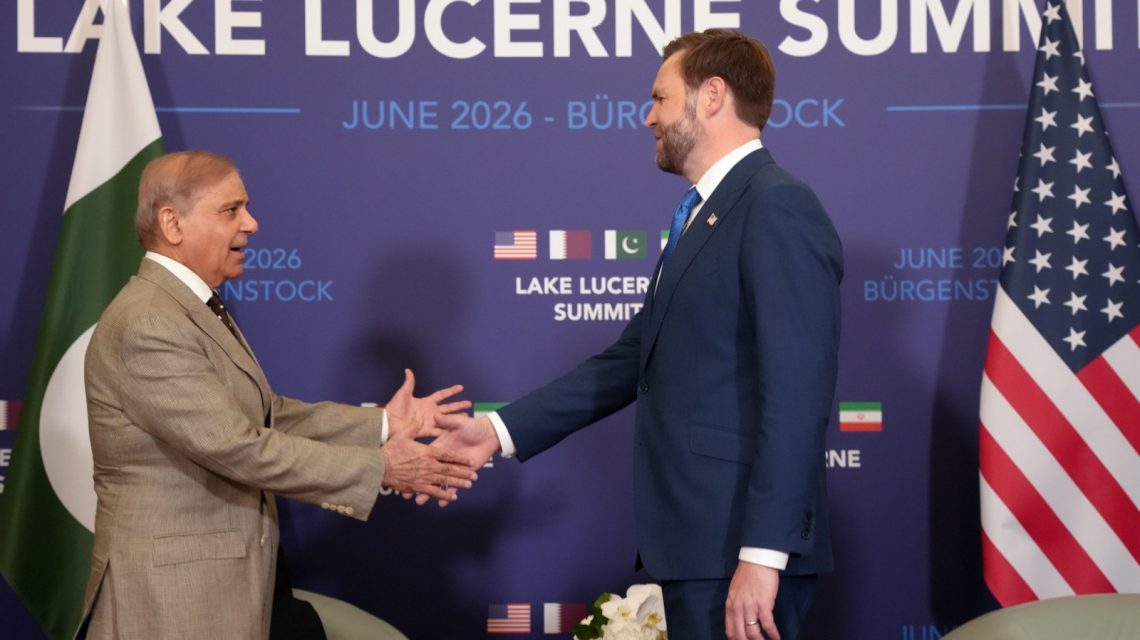
For years, Republicans criticized former President Barack Obama’s 2015 Iran nuclear deal, citing concerns over weak sanctions relief and inadequate limitations on Iran’s nuclear activities. Now, as President Donald Trump negotiates a new agreement with Iran, similar critiques are emerging—this time targeting a Republican president’s framework.
The exact details of Trump’s memorandum of understanding (MOU) remain under negotiation, expected to be finalized within the next 60 days. Consequently, the final structure and its comparison to Obama’s Joint Comprehensive Plan of Action (JCPOA) are not yet fully defined.
President Trump stated on Truth Social that the final deal to end the Iran-related conflicts will include strong inspection measures to ensure nuclear transparency. The Trump administration emphasizes ongoing negotiations, with a senior U.S. diplomat describing “robust discussions” involving nuclear concerns, the Strait of Hormuz, and deconfliction measures in southern Lebanon between Israel and the Iran-backed militia Hezbollah. Officials view the current framework as a basis for further technical talks.
Republicans are voicing concerns similar to their criticisms of Obama’s deal, focusing on sanctions relief, inspections, uranium enrichment, and the need for congressional approval.
White House spokeswoman Olivia Wales has defended the MOU, asserting that it is an excellent, performance-based agreement aiming to end conflicts, lower energy prices, and make Iran abandon nuclear ambitions.
Familiar Objections
Republicans swiftly rejected the premise of the JCPOA when Obama unveiled it in 2015, arguing:
- Sanctions relief came too early.
- Temporary nuclear limits were insufficient.
- The deal did not dismantle Iran’s nuclear program completely.
- It lacked binding congressional approval.
These concerns are echoed in reactions to Trump’s interim framework.
Critics also highlighted the JCPOA’s narrow focus on nuclear issues, leaving Iran’s missile program and regional activities unrestrained—a criticism resurfacing in the current debate.
Cotton Then, Now
Senator Tom Cotton from Arkansas vocally opposed the JCPOA, warning that agreements without congressional approval could be overturned and described it as a strategic error. Trump withdrew from the JCPOA after his election in 2016. Cotton remains cautious but has expressed concern about Trump’s framework.
On Fox News, Cotton emphasized that parts of this deal may not maintain U.S. leverage over Iran.
Cruz and Graham
Senator Ted Cruz of Texas heavily criticized Obama’s deal as a “catastrophic mistake.” His response to Trump’s framework bears similarities, warning against financial benefits to Iran without strong guarantees, telling The Hill, “History teaches that giving billions of dollars to theocratic lunatics who want to murder us is not a good idea.”
Senator Lindsey Graham of South Carolina also opposed the JCPOA, arguing it failed to eliminate Iran’s capabilities. Although acknowledging the promise of Trump’s framework, he warned against uncertainties surrounding the final nuclear deal.
“Let’s try a diplomatic solution. I think it’s going to fail. What happens next?” Graham said on CBS News’ Face the Nation.
More GOP Voices
Other Republicans echo similar concerns.
Senator Roger Wicker of Mississippi warned that Trump’s framework “negotiates away the victories of Operation Epic Fury.” Senator James Lankford of Oklahoma advocates for congressional ratification, emphasizing the need for lasting agreements.
Republicans stress:
- No premature sanctions relief.
- Strong, verifiable inspections.
- Limits on enrichment.
- A durable agreement with congressional approval.
Trump vs. Obama
Trump criticizes the JCPOA, asserting it was akin to giving Iran a nuclear weapon. He blames Obama for the deal’s perceived failure.
Conversely, Obama has suggested any new agreement might not significantly improve upon the original JCPOA and could entail additional expenses for similar outcomes.
Obama mentioned to ABC News, “It is doubtful that any agreement that arises is going to be significantly different or a significant improvement from the deal…before we, the United States, pulled out of it.”
 Lukashenko and Putin Share Light Moments While Strengthening Ties
  Kamala Harris on Possible 2028 Run Highlights Midterm Importance
  Lawmakers Urge End to U.S. Military’s Drug Boat Strike Campaign
  Investigation into Far-Left Groups Organizing Protests
  How China Uses AI to Challenge U.S. Dominance
  Michigan Senate Candidate Abdul El-Sayed Faces Criticism Over Comments