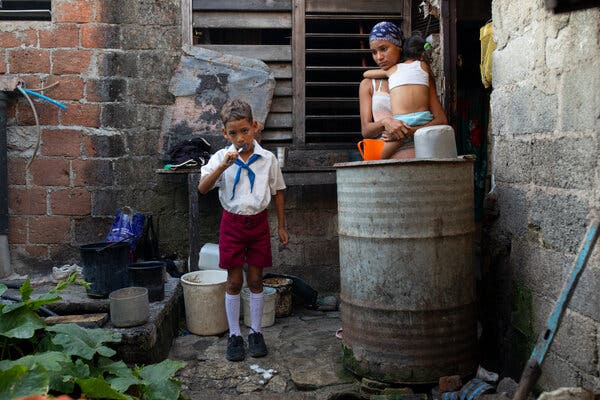
Cuba is facing severe disruptions in its education system due to a fuel shortage caused by the U.S. oil blockade. With schools ending the academic year early, students and teachers are struggling to maintain their education routines.
The situation is particularly challenging for families like that of Axisa and Aron Alfonso, siblings aged six and seven, living in western Cuba. They have the advantage of their father transporting them one mile to school on horseback, unlike many of their classmates. The now unreliable, old Soviet-era school bus service further exacerbates the issue, often leaving them no choice but to return home when teachers don’t arrive.
The blockade has triggered an energy crisis that has immobilized much of Cuba’s transportation infrastructure. With fewer buses and cars available, the attendance of students and teachers has significantly decreased.
Sergio Alfonso Vásquez, the father of Axisa and Aron, expressed his concern: My children rarely go to school. They go, but the teachers don’t come. I’m afraid because they aren’t learning anything.
In an attempt to conserve energy, the Cuban government reduced school hours to half-days in February and reverted to remote learning for college students, echoing measures taken during the pandemic. The government eventually ended the school year two weeks early and canceled college entrance exams for high school seniors. These decisions were influenced by the hardships faced by both students and teachers, including nights without electricity and shortages of school meals.
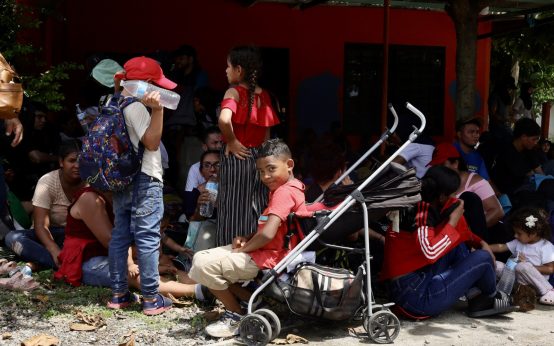 Migrants Move North Through Mexico as U.S. Immigration Measures Intensify
  Pope Leo XIV Commends EU for Fostering Unity
  Navigating the Complexities of College Financial Aid
  Diplomatic Dynamics: Finland and Ukraine’s Stance on Russia
 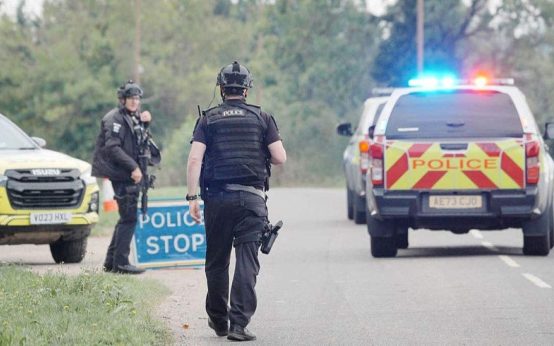 UK Police Arrest Suspects Near US Airbase Under Explosives Act
 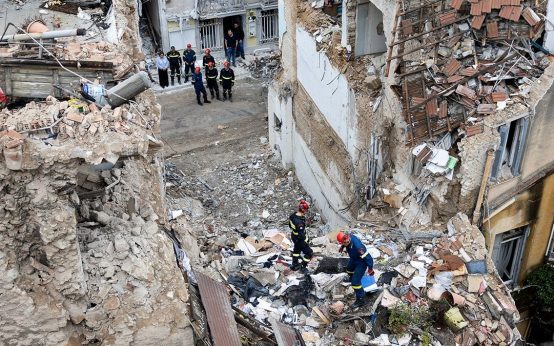 Four American Tourists Among Victims in Athens Explosion