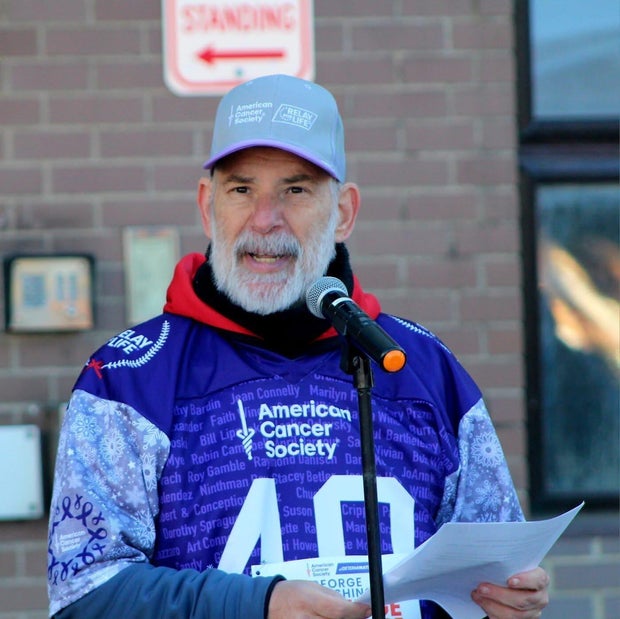
Joe Gillette’s typical morning commute changed unexpectedly when a highway upgrade exposed a problem with his vision. He began seeing double out of one eye, suspecting it might be related to a recent COVID-19 infection.
Concerned, Gillette consulted his physician, who advised a visit to an eye specialist and a brain scan. The eye specialist found nerve damage causing the double vision. However, Gillette, familiar with thorough medical evaluations from his volunteer work with the American Cancer Society, decided to proceed with the scan.
On his 57th birthday, the results were sobering. The scan revealed cancerous tumors in his kidney, lung, brain, and stomach. “It was the worst birthday present ever,” Gillette noted, describing his devastation.
Further diagnosis confirmed Stage IV kidney cancer, with metastasis to his bones, lymph nodes, lungs, and pancreas. Gillette, symptom-free except for the vision issue, realized COVID-19 inadvertently helped catch the cancer early.
Aggressive Treatment and Recovery
Gillette’s oncologist, Dr. Martin Voss at Memorial Sloan Kettering Cancer Center, emphasized the urgency of his condition. Less than 20% of Stage IV kidney cancer patients survive five years, according to the American Cancer Society. Voss initiated immunotherapy, radiation, and brain surgery.
The intensive treatment required Gillette to endure a 10-week medically induced coma. Upon awakening, he was shocked to learn how much time had passed. “I was so shocked,” Gillette recalled, reflecting on regaining his strength through physical and occupational therapy.
Subsequent radiation therapy reduced the size of Gillette’s tumors. He then underwent two years of immunotherapy, experiencing no major side effects.
In April 2024, the original kidney tumor was surgically removed. Despite concerns about recovery, Gillette left the hospital just three days later.
Living with Ongoing Treatment
Currently, Gillette continues daily oral immunotherapy and frequently meets with his care team. Regular MRIs and endoscopies help monitor his condition, with targeted radiation and immunotherapy managing any cancerous growths.
Dr. Alpa Patel of the American Cancer Society, not directly involved in Gillette’s care, highlighted the role of innovative treatments in controlling Gillette’s cancer and maintaining his quality of life.
Gillette remains vigilant, feeling nervous during scan times yet focusing on the present. His family milestones, connecting with other cancer survivors, and volunteering with the American Cancer Society bring him fulfillment.
“I’m grateful every day,” Gillette said. He cherishes his support system and the successful treatments allowing him to watch a new generation of his family grow.
 The Journey of Annelise Camp: A Family’s Battle and Tragic Loss
  Understanding N95 Respirators: What You Need to Know
  Ethan Suplee’s Journey to Sustainable Weight Management
 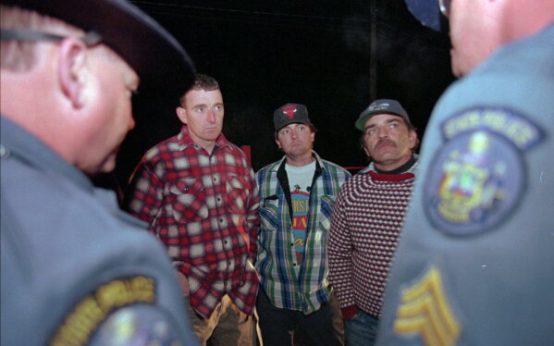 MaineHealth Board Votes to Close Maternity Unit at Lincoln Hospital
  My Unexpected Journey Through Cancer
  Life and Lessons Learned After a Rare Cancer Diagnosis