Confusing Signals in U.S.-Iran Peace Talks
The negotiations between the United States and Iran have seen numerous disruptions, marked by missile strikes and blockades. A memorandum of understanding (MOU), arranged last weekend, aimed to bring clarity. However, it has led to further uncertainty.
A statement from the White House indicated Vice President JD Vance signed the agreement on Sunday. Another signing, with a ceremony, was set for Friday. On the same day, President Donald Trump claimed full authorization to reopen the Strait of Hormuz, describing it as a complete deal. Yet, shortly after, he clarified the strait would open once Friday’s agreement was signed.
Conflicting Messages in Administration
Trump administration officials gave mixed messages on the release of the MOU text. Some announced a 24-48 hour timeframe, while others said it would occur on Friday. At one point, Trump considered reading the MOU text during a news conference in France. Instead, U.S. officials read it to reporters during his conference.
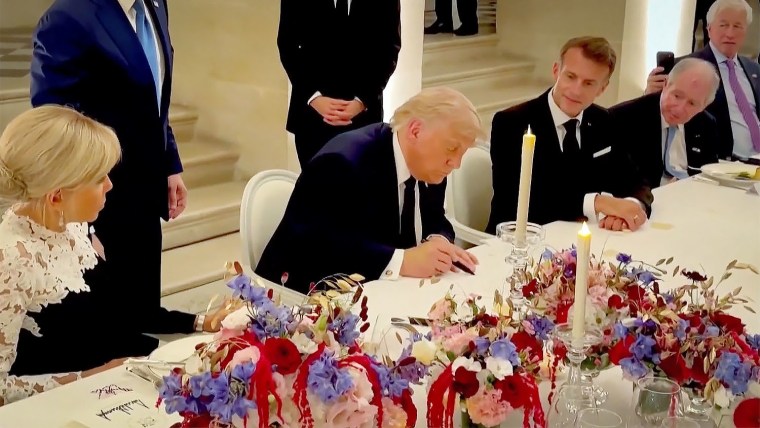
A sudden re-signing of the agreement by Trump and Iranian President Masoud Pezeshkian added more confusion. Trump did this at a dinner with French President Emmanuel Macron at Versailles. The future of the signing ceremony or additional talks remains unclear.
Challenges and Criticisms
Since the U.S. and Israel attacked Iran in February, the conflict has been unclear. Trump has provided varying reasons for the conflict and different expectations from the outcome. Both the U.S. and Iran continue strikes despite stating a temporary ceasefire from April remains active. The MOU diverges from Trump’s initial deal objectives.
Domestically, Americans are dissatisfied with Trump’s handling of the conflict, citing high gas prices as midterm elections approach. Even some Republican supporters criticize the MOU. Senator Bill Cassidy labeled it a major foreign policy failure. Senator John Kennedy expressed no confidence in Iran’s willingness to abandon nuclear pursuits.
Conversely, Senator Lindsey Graham believes signing the MOU benefits the U.S. by opening the Strait of Hormuz and ending hostilities.
Current Developments
Vice President Vance announced Thursday the start of a 60-day clock for a long-term deal. Despite this, the Strait of Hormuz took hours to reopen. U.S. Central Command confirmed this development, stating: “The traffic of commercial vessels will immediately start.” They reported no Iranian attacks on commercial ships in the strait.
The MOU specifies sanctions waivers for Iran to sell oil, but it remains unclear if the U.S. issued these waivers yet.
Complications with Israeli Strikes
Iran and the U.S. planned to meet in Switzerland to discuss a long-term agreement. Yet, new Israeli strikes in Lebanon have cast doubt on the meeting’s potential. The White House announced a delay in Vance’s planned travel to Switzerland.
Iran sought guarantees on ending hostilities in Lebanon as part of the MOU, causing mediators to work on resolving conflicts. American intelligence suggests Israel might continue strikes on Hezbollah in Lebanon, jeopardizing the peace deal. Israeli Prime Minister Benjamin Netanyahu criticized the MOU.
Despite these challenges, Trump remains optimistic about the MOU and future negotiations. “We have our deal done with Iran,” he stated, expressing hope for a successful second stage.
 Tensions Rise Between Democratic Moderates and Progressives
  Republican Candidates Compete for South Carolina Senate Seat
  Conservative Activists Aim to Shape Judicial Perspectives on Birthright Citizenship
 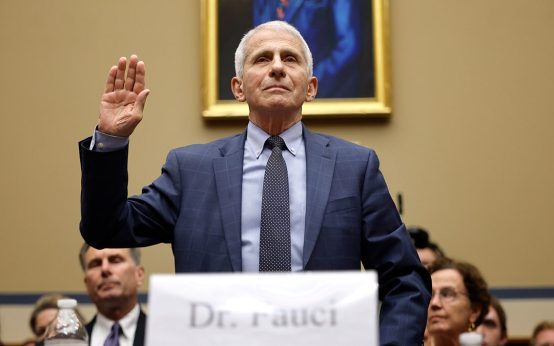 Understanding Contempt of Congress: Recent Case Involving Dr. Fauci
 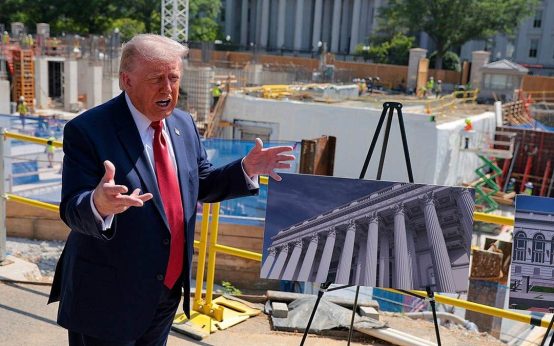 Legal Experts Predict Trump’s Success in White House Ballroom Case
  Senate Passes Stopgap Funding Bill, Affecting Key Policies