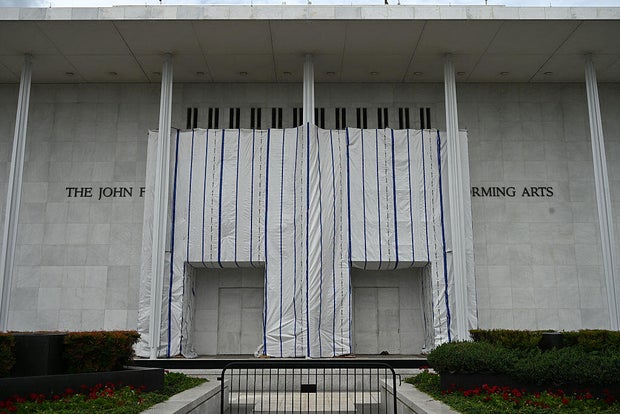
The Trump administration informed a federal judge that the Kennedy Center is still undecided on whether it will offer a complete lineup of performances or opt for limited programming in the upcoming months. This comes as the government addresses a court ruling requiring the facility to stay open.
Court’s Decision on the Kennedy Center
Last month, U.S. District Judge Christopher Cooper blocked the administration’s plan to close the Kennedy Center for renovations until 2028. This followed a lawsuit from Representative Joyce Beatty. Cooper also overturned an attempt to rename the center to include President Trump’s name.
Cooper instructed the administration to update him on the status of construction plans, board decisions related to the renovations, and any other relevant developments. The judge mandated the administration to outline plans for public access and ongoing operations after July 5, which was the planned closure start date.
Planning and Disputes
Kennedy Center Executive Director Matt Floca stated that the board will meet in mid-July to decide among three options. These include completely closing the center to expedite repairs, partially closing with limited programming, or coordinating phased closures to offer more performances.
Justice Department attorneys sought additional time from Judge Cooper, citing the Kennedy Center’s pending decisions. They proposed filing a joint status report two weeks after the board meeting. They maintained the center still plans to proceed with building repairs, noting Cooper’s order did not compel the center to reschedule or seek new programming.
Representative Beatty’s lawyers opposed the Justice Department, accusing the government of neglecting to revive the center’s programs. They mentioned the end of “Shear Madness,” a long-running interactive play, suggesting that efforts could have been made to continue it.
Beatty’s legal team requested Judge Cooper to mandate weekly updates on efforts to resume programming. They also suggested starting discussions on the lawsuit’s discovery schedule.
Issues with the Center’s Name
The Kennedy Center’s name has been contentious. Trump’s name was removed to comply with Judge Cooper’s order after courts refused last-minute attempts to keep it. Signage was updated to eliminate Trump’s name, and relevant trademark applications were withdrawn.
Despite these changes, a tarp still obscures the area where the name was displayed. Beatty’s legal counsel criticized the center for keeping the tarp, arguing it breaches fiduciary duty.
President Trump’s Actions
Cooper’s ruling that halted the temporary closure and demanded the removal of Trump’s name stemmed from findings that the board overstepped by renaming the institute unilaterally. Judge Cooper stated the repair work could continue but emphasized future closures must follow an independent evaluation of responsibilities.
Trump’s focus on the Kennedy Center began early in his second term. He replaced board members with advisors, donors, and supporters. The board elected him chair and voted to rename the center after him, but legal experts clarified that such changes need congressional approval.
Initially, Trump agreed to the court’s ruling, expressing willingness to work with Congress on the matter. However, as the deadline approached, the Justice Department sought to delay the order. The U.S. Court of Appeals for the District of Columbia Circuit denied this request.
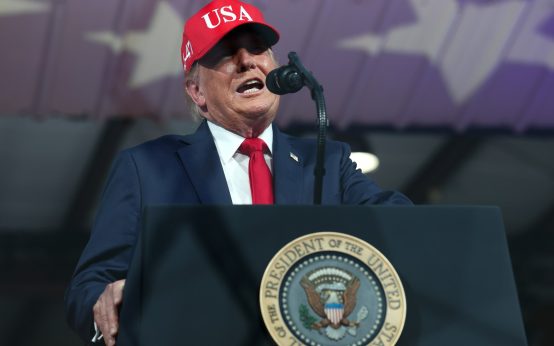 Gen Z Voters and Their Impact on the 2026 Midterm Elections
 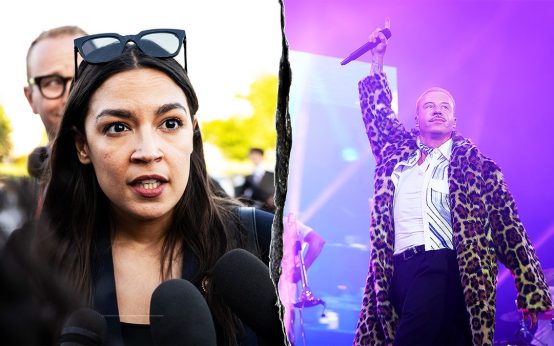 Rep. Alexandria Ocasio-Cortez Defends Macklemore Amid Tour Controversy
  Influence Concerns Surround California Political Donors
  Michigan Senate Race Sees Influences from Soros-Linked Funding
 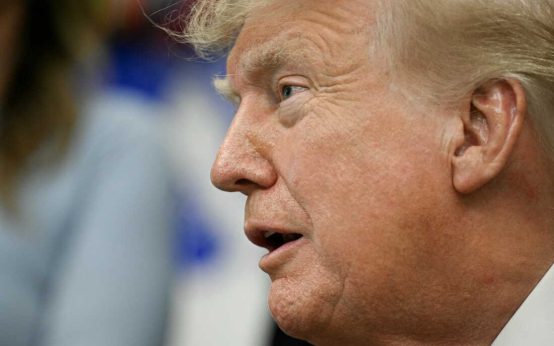 Trump Seeks Diplomatic Success at the U.N. Amid Challenges
  North Carolina Senate Race Influenced by Abortion Policy Messaging