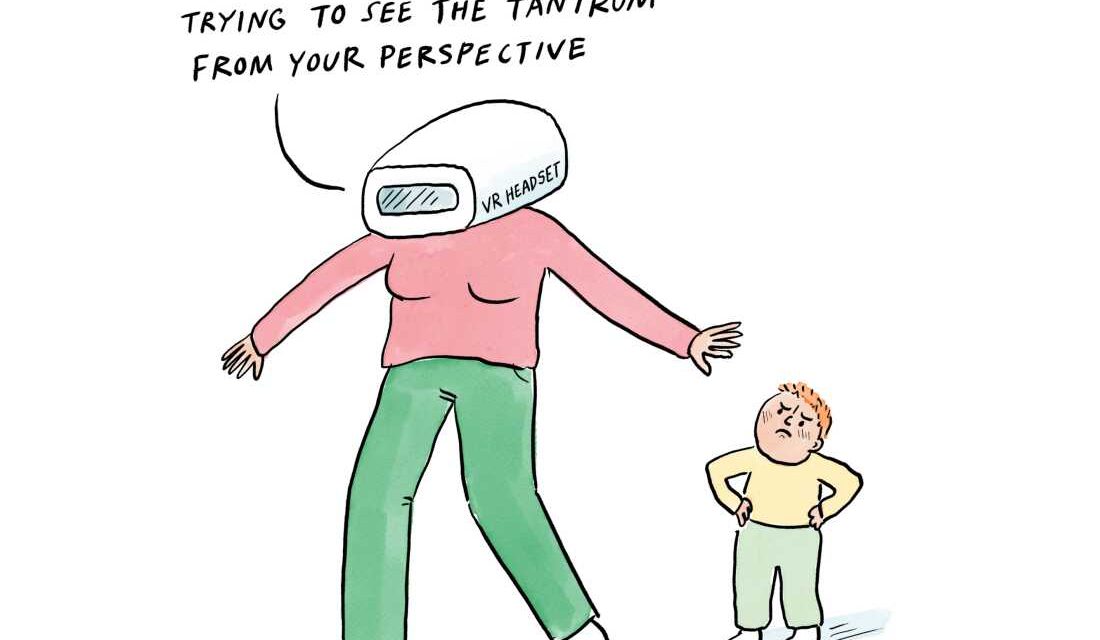
Parenting a two-year-old often feels unpredictable. One day, your child showers you with affection, the next, they refuse the muffins they loved just a week ago. After breakfast, you still face challenges like the ‘Battle of Putting on Shoes.’
Toddlers experience rapidly changing emotions, accompanied by defiant behavior. According to pediatric psychologist Roger Harrison, these behaviors help them build a sense of self and understand their place in the world. Although this behavior is normal for one to three-year-olds, it can frustrate parents. When faced with tantrums and power struggles, staying patient is hard.
Reframing your toddler’s behavior as a means of social and emotional learning might help. Understanding why your child acts out in certain ways can give you perspective, allowing you to step back and address the behavior constructively, says Harrison from the Children’s Hospital of Philadelphia.
Common Toddler Behaviors Explained
Why does my toddler say “NO!” to everything?
Toddlers often say “no” to test boundaries and assert their independence. They are learning that they are unique individuals separate from their caregivers. When your toddler says “no” to their favorite treat, they might be exploring their newfound self-awareness. They’re saying, “I have my own opinions!”
Parent tip: If you need your child to agree to something necessary like leaving the playground, remain calm and firm. Politely give them options: “You can slide one more time, or I will carry you out now,” suggests parenting coach Jamie Glowacki.
Why does my toddler say everything is “mine”?
When a toddler claims ownership of everything, they’re testing physical and social boundaries. This behavior helps them define their identity and place in the world. It’s normal and not necessarily selfish behavior, says Harrison.
Parent tip: Model sharing behavior, says educator Chazz Lewis. Help your child practice sharing by using assertive phrases like, “Turn, please,” and guide them through practice rounds.
Why does my toddler want to lick/smash/crash into everything?
Your child may be exploring their environment through sensory experiences. Actions like spilling or bouncing might help them gather information and understand mechanics and surroundings. This sensory exploration can aid their coordination and balance.
Parent tip: As long as the exploration is safe, let your child indulge, says educator Layne Deyling Cherland. Turn activities into opportunities for connection, such as creating an obstacle course or playing taste-test games.
Why does my toddler keep doing forbidden actions?
If you find yourself constantly repeating instructions, your toddler might not fully understand negation. “Don’t” statements often fail to convey the desired behavior. Instead, guide them on what to do differently, advises Lewis.
Parent tip: Teach constructive behavior. Instead of saying, “Don’t run,” suggest, “Walk slowly in the kitchen.” This guidance offers a clear alternative.
Why does my toddler hate switching activities?
Toddlers thrive on routine, but transitions between activities can be a challenge. They may feel out of control, especially when engrossed in activities they enjoy.
Parent tip: To ease transitions, provide two positive options. For instance, let them pick a plate color or a drink choice. This small control can reduce tension, says Lewis.
The objective during toddlerhood is to give children manageable power. This preparation helps them make informed decisions in the future, concludes Deyling Cherland.
 Lawsuit Filed Over Preeclampsia Death in Texas Amid Abortion Ban Controversy
  Illinois American Water Faces Opposition Over Proposed Rate Increase
  The Challenges of Regulating AI Unveiled
  Challenges of the Digital Markets Act in the EU
  Porsha Williams Opens Up About Emergency Surgery and Health Challenges
  Scientists Discover Enormous Crater on Moon