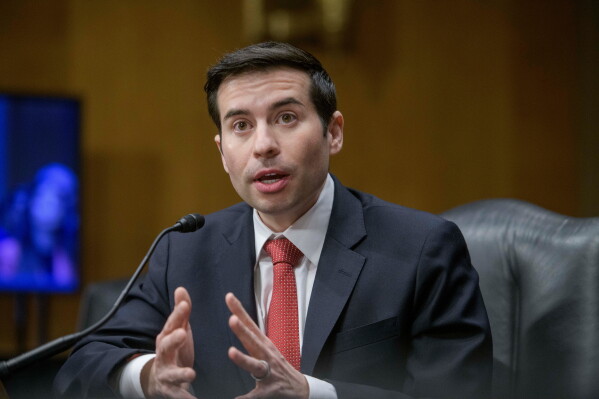
The Federal Reserve, under the leadership of new chair Kevin Warsh, decided to keep its key interest rate unchanged in a recent meeting. However, nearly half of the Fed’s policymakers suggested they could support a rate hike later this year. This decision counters President Trump’s preference for lower rates and underscores the Fed’s concern over persistent inflation.
Federal Reserve’s Statement
In a notably brief statement, Fed officials removed previous indications that a rate cut might be their next move. This shift is attributed to Warsh’s influence, as he has criticized the Fed for making broad economic comments in the past. Currently, nine Fed officials expect at least one rate hike this year, with six backing two or more increases. This is a significant change from March when no rate hikes were predicted, and a rate cut was forecasted for 2026.
Inflation and Economic Projections
The latest projections highlight that inflation is at its highest point in three years. Many officials have expressed that if inflation does not decrease, higher interest rates might be needed by year-end. Among all policymakers, eight suggested maintaining the current rate, and one proposed a rate cut.
Warsh’s leadership seems to be affecting Fed operations. Notably, he did not provide a forecast on potential changes to the Fed’s key rate, leaving only 18 projections, despite having 19 policymakers. He previously criticized these projections for potentially limiting the Fed’s policy flexibility. Forward guidance was also removed from the policy statement.
Changes Under Kevin Warsh
Warsh is forming five task forces to explore areas like Fed communication, data sources for policy decisions, and the structure of economic projections. The aim is to ensure the Fed remains clear and forward-looking.
This was Warsh’s first policy meeting since his appointment by Trump, who had criticized Warsh’s predecessor, Jerome Powell, for not sufficiently lowering rates. Powell remains on the Fed’s governing board, and during the latest meeting, he supported keeping rates around 3.6%.
Challenges Ahead
Warsh confronts a challenging decision. The Fed traditionally raises interest rates to counter inflation, which would likely slow borrowing and spending. Such a move might displease the White House and raise costs for mortgages and loans, potentially affecting the upcoming midterm elections.
If the situation in Iran resolves, gas prices may fall, potentially easing inflation. However, prices for several goods and services were rising before the conflict, indicating ongoing inflationary pressures.
Economic Context and Job Market
When Warsh evidenced interest in the Fed chair position, he supported lower interest rates. He suggested that AI technology could boost the economy’s output and contain inflation. Still, many economists were skeptical, noting increased investment in technology as a factor in rising inflation.
Since the Iran conflict began in February, inflation spiked to 4.2%, driven primarily by rising gas prices. Trump announced a possible peace agreement, but the conflict’s resolution remains uncertain. Even with resumed oil production, price stabilization might take months. Inflation metrics indicate rates above the Fed’s 2% target for over five years.
Recent job reports have shown improvement with employers adding 172,000 jobs in May, marking continued strong job growth. Previously, the Fed expected rate cuts this year, driven by fears of rising unemployment. The solid job gains reduce the rationale for cutting interest rates.
 President Trump Warns of Escalating War with Iran at UN Assembly
  Republicans Call for Quick Resolution to Iran Conflict
 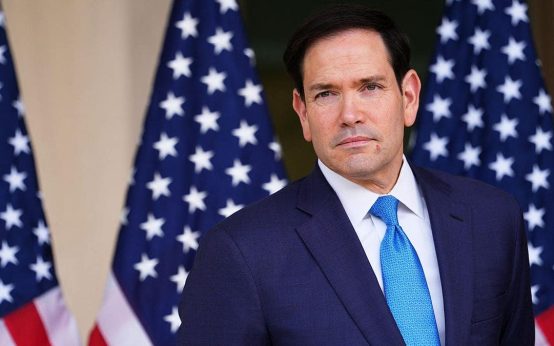 Marco Rubio’s Expanding Role in Trump Administration
  Trump Administration’s Crackdown on ACA Coverage
 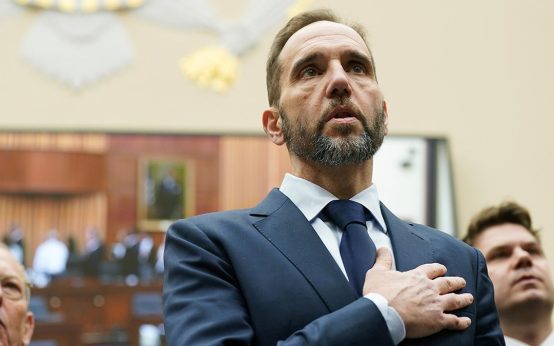 House Republicans Challenge DOJ Over Smith Investigation
  Karoline Leavitt on Trump’s Tense Calls with Putin and Xi