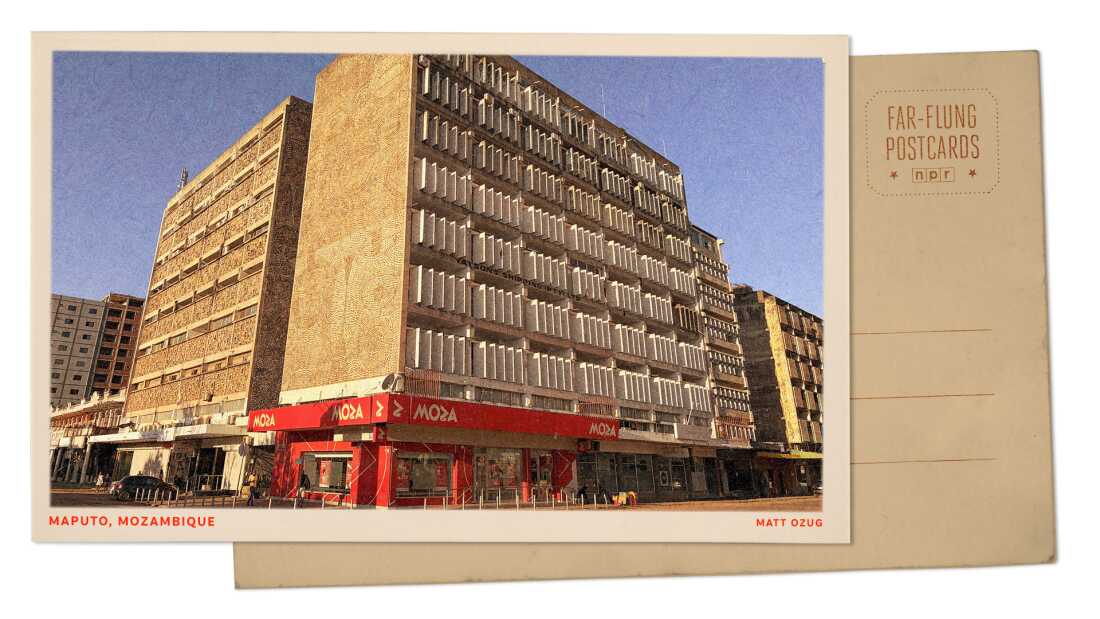
Recently, I took a ride on a tuk-tuk motorcycle taxi around Maputo, Mozambique. My companion was Vincent Acovino, a fellow producer from All Things Considered. Our visit aimed to report on changes in U.S. funding for AIDS programs in Africa. As we explored, we noticed something distinctive about several concrete apartment blocks and government offices in the city.
With half a day to spare, curiosity led us to dive into the architectural works of Amâncio ‘Pancho’ Guedes. This late Portuguese-born architect left a significant mark on Maputo’s cityscape in the 1950s and ’60s. Some of his notable creations include the Prédio Abreu, Santos e Rocha, along with other intriguingly named buildings like The Smiling Lion apartment block and the Lemon Squeezer church.
Inside a small interior stairwell of The Dragon House, a mural of a spiky dragon with a toothy grin stands out. The mural is crafted in sparkling black and white stone, transforming the gloomy stairwell into a vibrant space.
Guedes designed over 500 buildings across the city, ranging from churches to bakeries. His style combines heavy materials with playful shapes and murals. It’s often termed ‘Eclectic Modernist.’ One critic praised his work for blending the sculptural and figurative with practical needs and traditional local identity.
Maputo’s landscape will evolve, and not all of Guedes’ work may endure. However, discovering a cityscape still marked by his influence was a delight. Spending an afternoon in a tuk-tuk, spotting his architectural imprints, felt like a rewarding and insightful experience.
 The Curious Case of Mark Jackson’s NBA Hoops Card
  Communities Continuing Recovery from Hurricane Helene Explored through Graphic Novel
 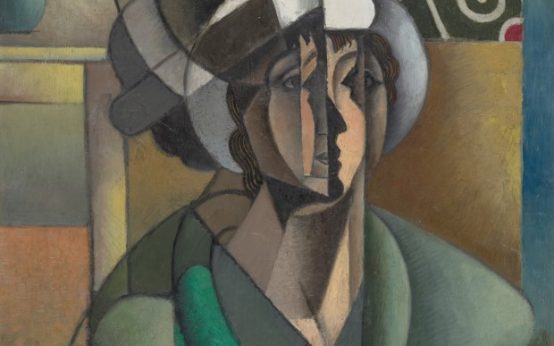 Art Institute of Chicago Returns Nazi-Looted Painting to Heirs
  Chicago History Museum Responds to Protest with Aquí en Chicago Exhibit
  Ari Emanuel’s Memoir Explored
  Benito Juarez Community Academy Students Celebrate Día de los Muertos Through Art