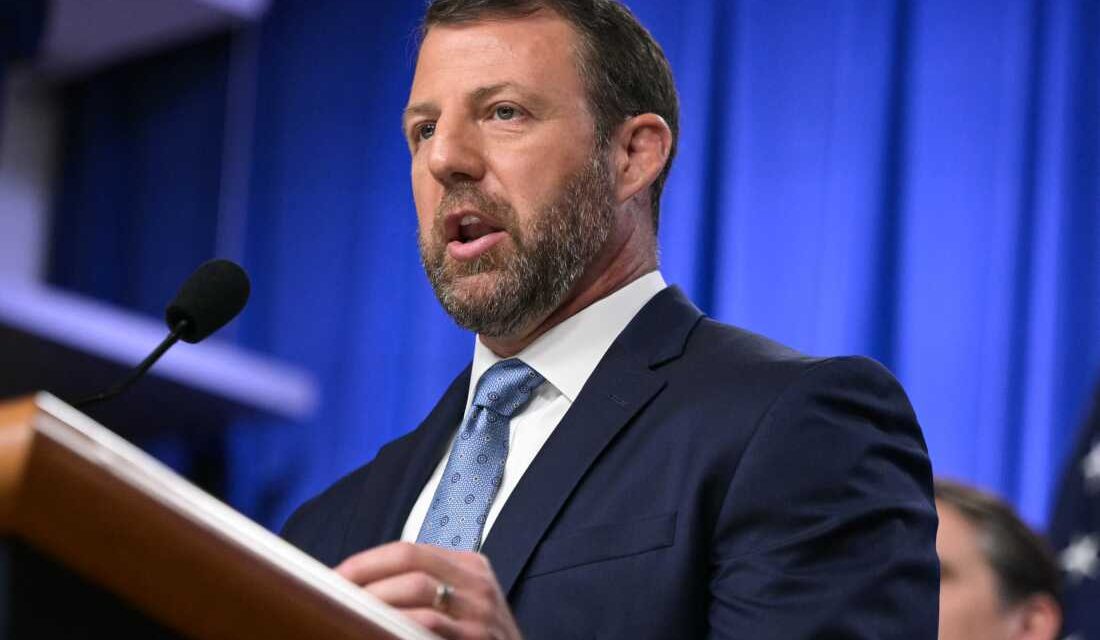
Secretary of Homeland Security Markwayne Mullin has been at the center of election security controversies since the 2020 U.S. presidential election. His involvement started during his time as a U.S. senator from Oklahoma and continued as he assumed the role of head of the Department of Homeland Security (DHS).
Gary Berntsen, a former CIA operative, has been a vocal advocate of the debunked theory that Venezuela interfered in the 2020 election. Berntsen claimed there are multiple technical ways to steal an election. Despite his efforts, he has faced rejection from the FBI, the media, and Congress. Mullin, however, offered support, even facilitating a meeting at Mar-a-Lago with President Trump’s team to discuss these conspiracy theories.
Mullin has a history of opposing the certification of the 2020 Electoral College results, claiming widespread fraud. His position continues to raise concerns among election officials about DHS’s role in future elections. These officials fear the department may undermine results that Trump disapproves of.
Many election officials now hesitate to share data with the federal government. Matt Crane, a former Republican county clerk, expressed concerns over data confidentiality and advised local election officials in Colorado to avoid collaboration with DHS. Crane cited Heather Honey, the current DHS elections point person, as untrustworthy due to her history of spreading election misinformation.
“They’ve brought the fox into the henhouse,” Crane stated.
Since the 2020 election, the federal landscape for election security has shifted significantly. The Trump administration has conducted investigations into local election processes and sought private voter data. This includes efforts to access voting machines and ballots, an approach unsettling to many.
Immigration enforcement at polling places also raised legal concerns, as stated by White House border czar Tom Homan. Mullin assured that DHS agents would only be present at polling sites if specific threats were identified. In a statement, Mullin emphasized his commitment to election integrity, insisting only American citizens should elect leaders.
However, within DHS, many who worked on election security have left or been pushed out. CISA, the agency responsible for cybersecurity, remains without a Senate-confirmed leader. Local officials, like Paul Lux from Florida, report a lack of communication from CISA, which has led them to rely on other resources.
The Elections Infrastructure Information Sharing and Analysis Center (EI-ISAC) was established to address cyber threats, initially funded by the federal government. The Trump administration ended this funding, compelling the organization to develop a membership model. Membership has since dropped significantly, leading to concerns about fractured collaboration among election officials.
Despite funding issues, EI-ISAC provides cybersecurity tools and plans to establish a virtual situation room for elections, ensuring real-time threat communication among officials. However, DHS will not participate in these efforts. If the federal government wants to regain its role in election security, they will need to rebuild trust with local officials, a process that could take time and dedication.
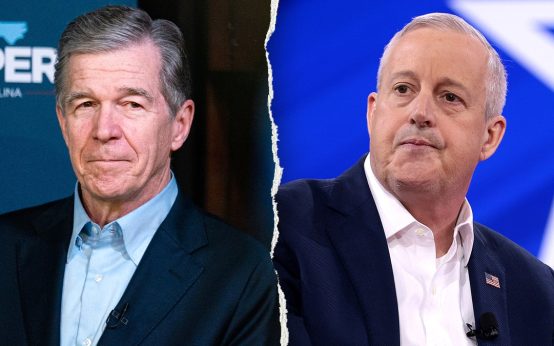 North Carolina Senate Race Influenced by Abortion Policy Messaging
 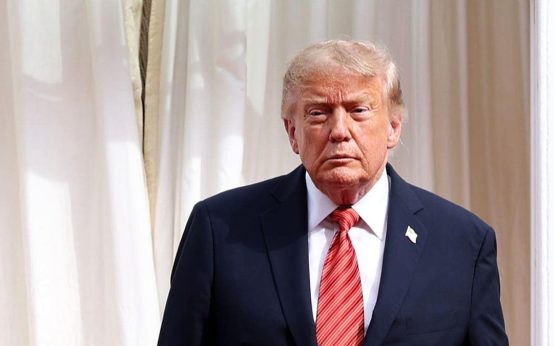 Trump Pressures Republicans on Filibuster Threat
 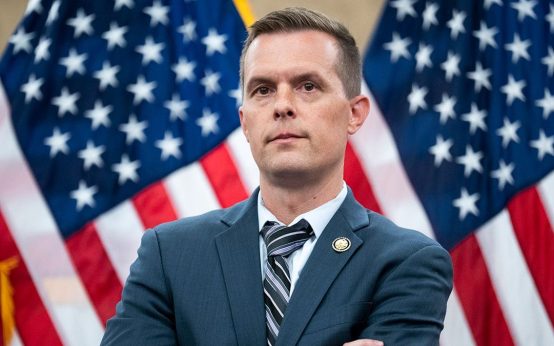 Rep. Golden Endorses Rep. Lawler for Re-election
  Public Perception and Political Impact of Data Centers
  Jewish Democrats in Michigan Shift Support to GOP Candidate in Senate Race
  Mayor Mamdani and President Trump Discuss Major Housing Project in NYC