A group of young activists faced charges for participating in a conspiracy to intimidate University of Michigan officials due to their decision not to divest from Israel. These individuals were released on bond earlier this week.
Four of the suspects, Zainab Hakim, Paige Feyock, Jonathan Zou, and Colin Weger, appeared in front of U.S. Magistrate Judge Anthony Patti. Following the hearing, FBI Director Kash Patel disclosed that seven individuals were arrested in connection with the case.
Each of the defendants entered not guilty pleas. Patti permitted their release on bond. Court records reviewed by Fox News Digital outlined conditions such as surrendering passports, avoiding contact with alleged victims or co-defendants, and adhering to GPS monitoring and travel constraints.
The prosecution advocated for keeping the defendants in jail, arguing they posed a flight risk and a potential threat to the community. The judge, however, raised concerns regarding free speech issues, as the case heavily relied on the defendants’ social media activity.
The indictment described how the suspects coordinated actions to intimidate university leaders, along with law enforcement and businesses, that they believed supported Israel financially. This included placing fake corpses at the home of University of Michigan Regent Sarah Hubbard in May 2024.
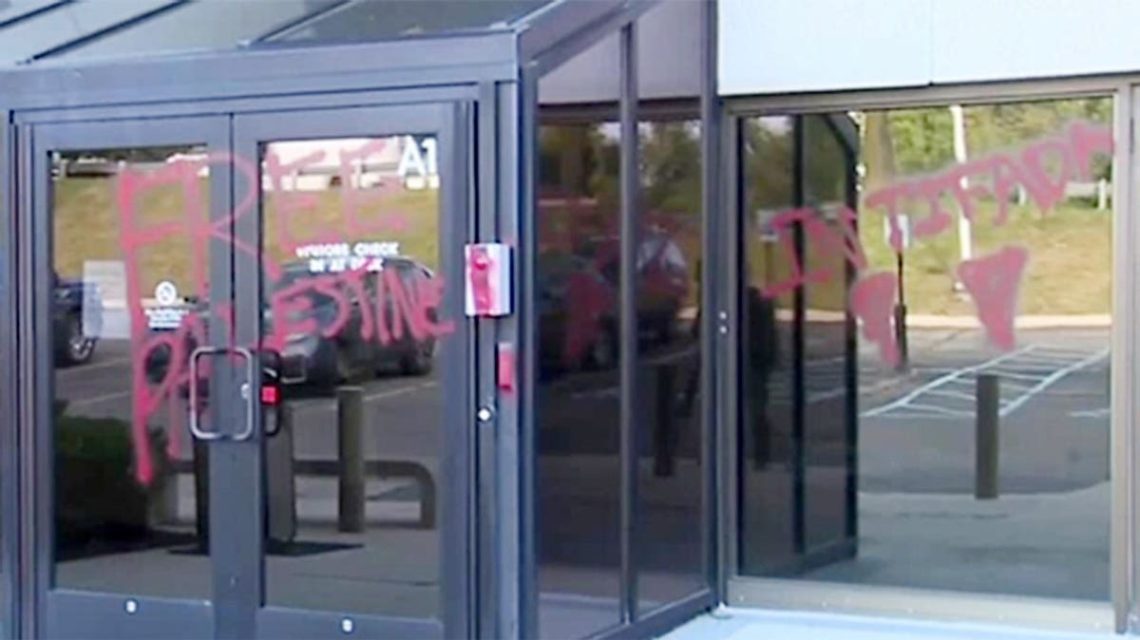
Charges brought against the individuals include defacing properties with slogans like ‘Free Palestine,’ ‘Divest Now,’ and ‘Intifada.’ The defendants used various forms of vandalism to deliver messages, such as spray-painting buildings and obstructing entryways.
Further, the indictment alleged they spent months planning how to inflict harm using poison, bombs, and psychological tactics on their perceived targets. Specific plans reportedly involved threats to ‘kill, torment, and terrorize’ certain individuals and families.
Among the accusations were plans by another defendant, Ahmet Korkaya, communicated via text to harm a target’s family and a medical student who purportedly threatened slow poisoning.
Hakim and Feyock face grave charges of witness intimidation, potentially leading to maximum sentences of 20 years in prison and significant fines if found guilty. Other charges include transmitting threats and property destruction.
Authorities found that some defendants attempted to destroy evidence by erasing digital data following a warning about search warrants.
The Associated Press has contributed to the reporting of this case.