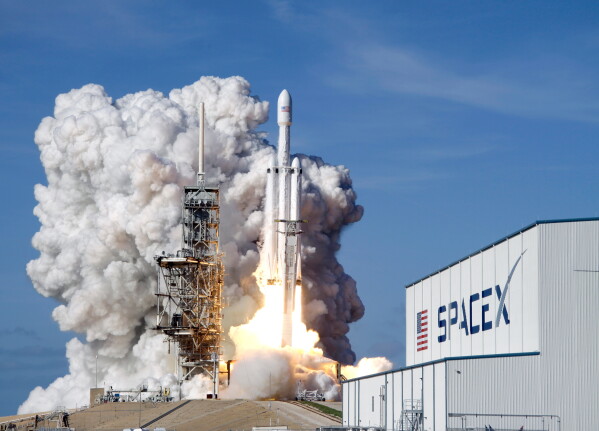
Elon Musk has become the world’s first trillionaire. This milestone followed SpaceX’s remarkable initial public offering (IPO) on Wall Street. SpaceX shares soared by 24% shortly after they began trading, demonstrating investor confidence in the company’s long-term vision.
SpaceX shares initially opened at $150 each and swiftly rose to approximately $168 by 2:20 p.m. ET. This surge gave SpaceX a valuation of $2.2 trillion. Consequently, Musk’s estimated wealth reached $1.2 trillion, as reported by Forbes.
Why SpaceX Chose to Go Public
Founded in 2002, SpaceX sought public funding to advance its ambitious plans. These include launching satellites, developing orbital data centers, and eventually building a human colony on Mars. Musk marked this occasion by participating in the Nasdaq bell-ringing ceremony remotely from Starbase, Texas, highlighting his goal of making life multi-planetary.
“We aim to take you to the moon and Mars,” Musk declared to potential travelers and investors.
Despite SpaceX’s annual losses, Musk managed to generate enthusiasm for the IPO. Investors were eager to invest at $135 per share before trading began. The IPO raised $75 billion, surpassing the previous record set by Saudi Aramco in 2019. SpaceX trades under the symbol “SPCX.”
Ambitious Space Plans
Key initiatives include creating a Martian colony for a million people and establishing outposts in space to advance human survival. SpaceX also plans to launch substantial data centers into orbit and rival companies like Anthropic and OpenAI in monetizing artificial intelligence (AI). SpaceX will require significant funding beyond what its current rocket and satellite operations generate to meet these goals.
Between early 2025 and March 31, 2026, Space Exploration Technologies Corp. incurred losses of $8.7 billion.
Investor Perspectives on SpaceX
Wall Street bankers, involved in the IPO, are optimistic about SpaceX’s potential, alongside anticipated gains. However, some experts question the valuation. Morningstar analysts, independent from investment banks, consider the IPO ‘significantly overvalued’ due to unproven technology and substantial financial needs, estimating SpaceX’s value at $780 billion.
SpaceX acknowledges some reliance on ‘unproven technologies.’ Regulatory documents disclose that their AI division, xAI, lacks a clear path to profitability and is spending heavily to catch competitors.
Musk’s Path to Wealth
Elon Musk’s past ventures, including Zip2 and PayPal, secured his initial wealth of around $200 million. He invested these gains into founding SpaceX and backing Tesla, achieving breakthroughs in reusable rockets and popularizing electric vehicles.
Musk’s fortune predominantly comes from stock holdings, with grants linked to performance targets. Notably, his Tesla pay package drew criticism from the Vatican. Despite regulatory tensions and involvement in multiple companies, rising Tesla stock prices have resulted in significant shareholder returns. Tesla has delivered a 20,000% return since its 2010 IPO, equating to over $1.2 trillion in investor wealth.
Implications of SpaceX’s Public Offering
SpaceX is the first of three major companies expected to go public this year, with Anthropic and OpenAI following. Nasdaq revised rules to facilitate SpaceX’s integration into index funds in 15 days, accelerating investor inclusion in SpaceX.
Not all investors are pleased with SpaceX’s entry into index funds. Firefighter, teacher, and worker pension fund officials in California and New York expressed concerns in a letter to SpaceX, highlighting issues like mandatory arbitration of shareholder claims and Musk’s significant influence over the company.