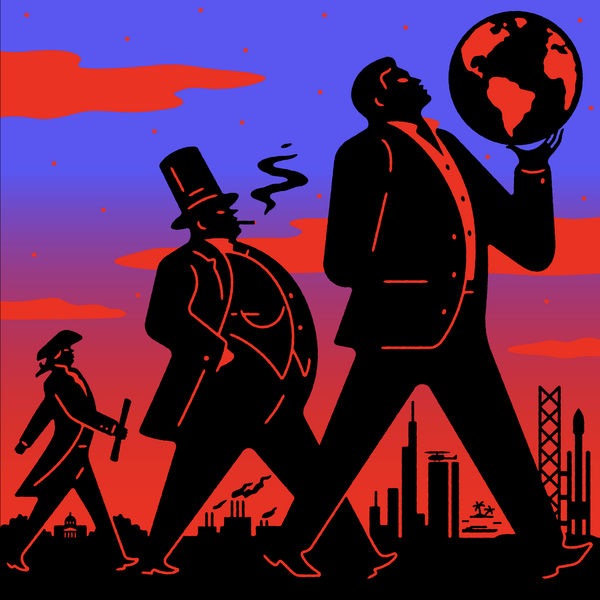
By Kim Phillips-Fein
Kim Phillips-Fein, a history professor at Columbia University, observes a growing skepticism towards egalitarianism among prominent figures in Silicon Valley. This shift challenges traditional American beliefs about equality.
One example is Peter Thiel’s 2014 book, Zero to One, where he describes an economic world dominated by a few powerful entities. Thiel suggests that this imbalance is a natural law.
Elon Musk added to this narrative last year with a post on X, implying humanity functions as a catalyst for the growth of digital superintelligence, hinting at a perspective where human labor is seen primarily as a resource for technology advancement.
Carlos Carvalho, president of the University of Austin and supported by figures like Thiel, delivered a speech titled “In Defense of Inequality,” promoting the idea that inequality might be beneficial.
These perspectives may seem novel in political discourse. However, America has a long history of anti-egalitarian views, especially in economic contexts. Despite ideals shared in the Declaration of Independence, such as “all men are created equal,” there has always been debate about the coexistence of political democracy and capitalism. Some argue inequality is a natural aspect of human society and should be embraced.
 AI Hype: A Repeated Story
  Readers’ Views on Social Security Reform and Education
  Dan Dakich Criticizes Kaepernick’s NFL Slave Trade Comparison; Simone Biles’ Car Theft Issue
  Controversy Over Racial Comments in College Admissions
  Facing the Reality of U.S. National Debt
  Ari Emanuel: A Hollywood Insider’s Journey