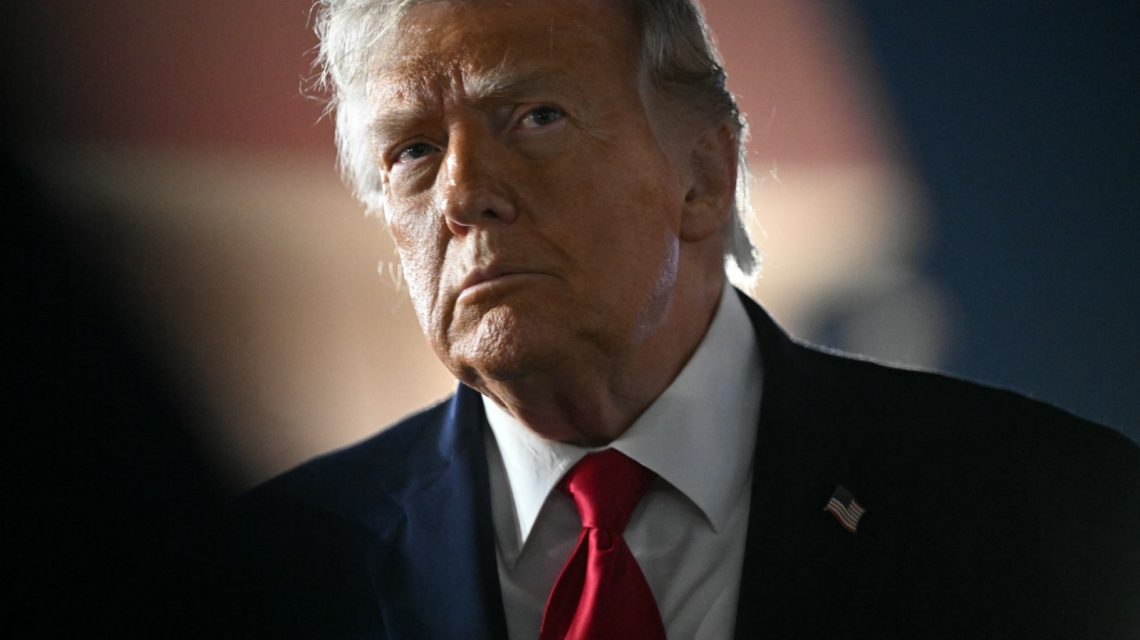
The New York Times recently highlighted a crisis within President Donald Trump’s administration stemming from the Epstein files. These documents have prompted secret meetings among top officials who fear backlash from their political base.
The turmoil began in 2025 with a Department of Justice memo indicating no evidence of an Epstein “client list.” This spurred dissatisfaction among Trump supporters. The subsequent release of numerous records under the Epstein Files Transparency Act kept tensions high.
Attention has shifted to Capitol Hill, where congressional investigators have gained new insights from Epstein’s associates. A former Epstein assistant testified about arranging contacts between Epstein and Trump, supplying numerous names linked to Epstein.
Key Points on the Administration’s Response
The Times report identifies significant points regarding the handling of the crisis:
- Vice President JD Vance labeled the situation a “huge problem,” triggering Situation Room meetings without Trump’s presence. This indicates a political emergency beyond online discourse.
- The frequent use of the Situation Room, typically reserved for national crises, underscored the scandal’s magnitude.
- Officials considered transparency measures unlikely to produce new information, signaling a focus on managing public outrage rather than disclosure.
- The administration feared losing support from the MAGA base more than Democratic criticism, showing internal pressure drove their approach.
- Discussions reportedly involved using Ghislaine Maxwell to defend Trump, attracting potential scrutiny given her infamy.
The report also covers internal conflicts within the DOJ and FBI. Former Attorney General Pam Bondi and FBI officials reportedly clashed over handling the files and public communication.
Ongoing Scrutiny
The House Oversight Committee continues to interview individuals linked to Epstein. Despite releasing extensive documents, some records remain sealed or redacted. The combination of ongoing testimony and restricted materials suggests the investigation will persist.
 Decreasing Senate Debates Highlight Transparency Issues in Politics
  Key Updates in Texas, Michigan, and Maine Senate Races
 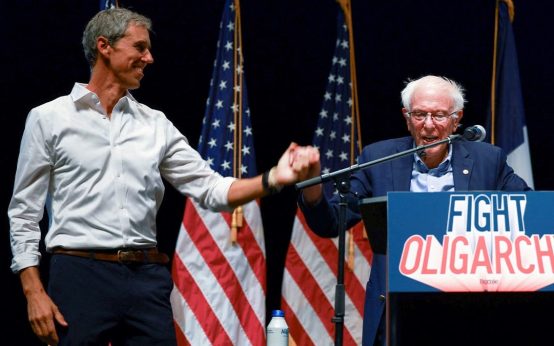 Texas Senate Candidate James Talarico Campaigns Separately from Bernie Sanders Rally
  Republicans Battle for Iowa Amid Concerns of Blue Wave
  Contested Race for Illinois Senate: Jared Ploger vs. Edgardo Perez
 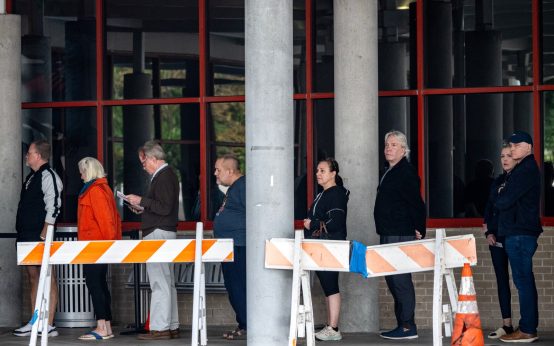 Record Early Voting Numbers in Texas Democratic Strongholds