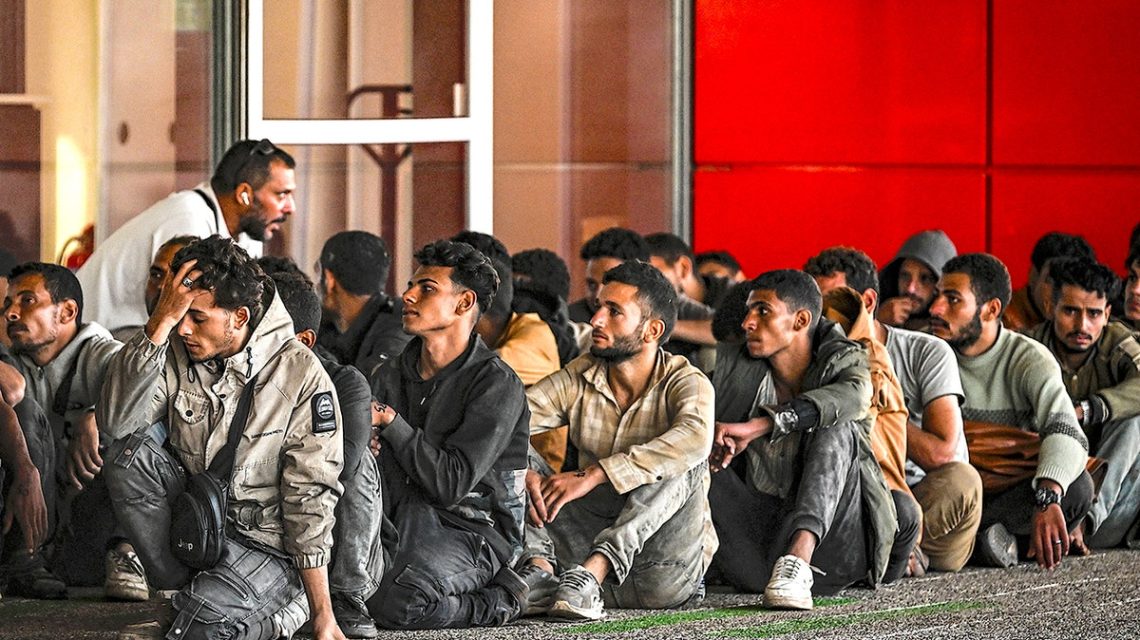
In June, the European Union responded to concerns raised by President Donald Trump and many European voters regarding illegal immigration. The EU introduced stricter border entry regulations for its member countries. These new rules are intended to manage the entry of undocumented migrants effectively, ensuring that those who enter without authorization are processed and sent to deportation centers outside the EU if required.
Asylum seekers will undergo identity, security, and health screenings before entering any asylum systems. Border officials will maintain records of non-EU citizens entering and exiting the region using biometric data, including fingerprints and facial recognition. This system mandates that EU member states cooperate and share information with each other.
The Associated Press indicated that this provisional agreement is expected to receive approval from EU lawmakers and governments.
Several European nations are pushing for increased authority to deport illegal immigrants who commit crimes. Alan Mendoza, the founder of the Henry Jackson Society, commented on the EU’s demographic changes affecting European culture. Although the U.K. is not part of the EU, there are claims that Britain’s efforts have influenced these new EU measures, though offshore migrant holding centers remain an unresolved issue there.
Efforts to manage illegal immigration have faced criticism. Some suggest it’s becoming increasingly challenging to resolve. President Donald Trump has previously addressed the impact of undocumented migration in Europe at the United Nations General Assembly. He warned that Europe faces serious issues due to this challenge.
In recent discussions, Vice President JD Vance highlighted the risks, referencing the death of an 18-year-old British man. His comments emphasized the consequences of insufficient immigration control. Secretary of War Pete Hegseth also noted the topic during a speech commemorating D-Day, urging European action against the so-called invasion.
Spain, however, has taken a distinct approach with its decision to legalize half a million undocumented migrants. Javier Negre from La Derecha Diario stated that NGOs played a significant role in this push, which has sparked debates about the integration of migrants and crime rates.
There has been criticism of the EU’s move from members of Europe’s left and various NGOs. Mélissa Camara of the French Green party described the deal as a setback for human rights, referencing the detention of minors and other controversial measures.
The Associated Press contributed to this report. Simon Constable, a writer for leading publications, is a fellow at the Johns Hopkins Institute for Applied Economics, Global Health and the Study of Business Enterprise.
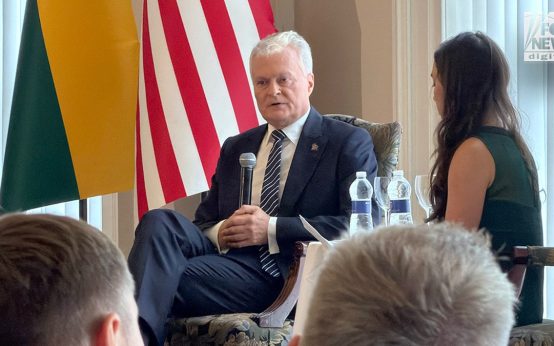 Lithuanian President Urges U.S. to Maintain Military Presence Amid NATO Challenges
 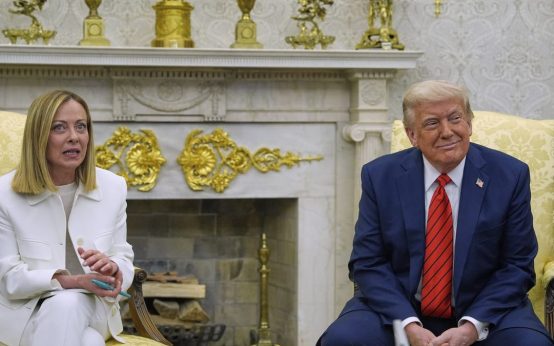 Italian PM Giorgia Meloni Skips UN General Assembly Amid U.S. Tensions
  Ireland Faces Calls to Boycott Matches Against Israel
  Social Media Influencer Faces Serious Charges
  U.S. Military Expansion in Greenland
  The Autocratic Age: A Closer Look