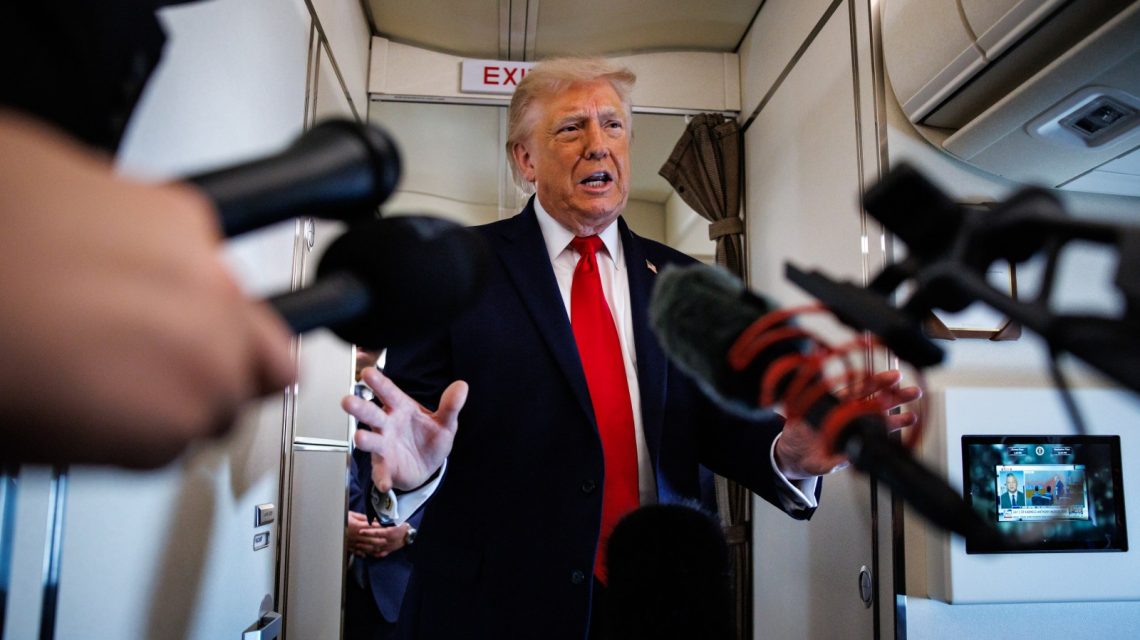
President Donald Trump ended an interview with NBC’s Kristen Welker after she challenged him on several claims. This incident is one in a series of confrontations Trump has had with female journalists, highlighting his contentious relationship with the press throughout his political career.
Trump’s interactions with journalists, both male and female, have often been tense. His treatment of female journalists, in particular, has faced scrutiny, especially during his second term. At the end of 2025, Trump made several derogatory comments to female reporters, sparking questions about his behavior towards women in journalism. This is significant as female journalists face increasing attacks both online and offline. A 2021 UNESCO report noted that nearly 75% of female journalists surveyed experienced online violence, with 20% suffering offline attacks linked to this.
Walkout During Interview with Kristen Welker
Trump’s interview with Kristen Welker for Meet The Press involved discussions on topics including the conflict with Iran and the proposed $1.8 billion “anti-weaponization” fund, which was criticized and later dropped. This fund was intended to compensate individuals claiming unfair government investigation, which raised concerns it might benefit those prosecuted over the January 6, 2021, Capitol riot. When discussing the 2020 election, Trump repeated unfounded claims of a rigged election and alleged cheating in the California primary. Despite being pressed for evidence, Trump dismissed the questioning, accusing journalists and news networks of lacking credibility, and abruptly ended the interview.
Pattern of Clashes with Female Journalists
Trump has frequently clashed with female journalists in various settings, including press briefings and social media. While his adversarial approach applies to journalists generally, interactions with female reporters often involve personal attacks. Welker’s encounter followed a clash with CNN’s Kaitlan Collins, where Trump criticized CNN and directly commented on Collins, labeling her expressions and calling her “the worst reporter.” Similar incidents occurred with other journalists, where derogatory remarks were made during press interactions.
Notably, during an Air Force One press gaggle, Trump labeled a female ABC journalist as “obnoxious,” which was highly publicized. Other instances include Trump’s “quiet, quiet piggy” comment to Bloomberg’s Catherine Lucey and labeling Mary Bruce of ABC News a “terrible person,” along with insults towards Katie Rogers of The New York Times on social media.
Dr. Amy Tatum from The Bournemouth Media School remarked on the lack of significant backlash to such comments, suggesting a concerning environment where public criticism of women by powerful figures occurs with minimal consequences. The International Women’s Media Foundation warned that Trump’s behavior exemplifies harassment of female journalists, which can incite further online abuse.
White House Defense
The White House consistently defended the president’s actions. Spokesperson Taylor Rodgers emphasized Trump’s commitment to transparency and holding the press accountable, describing the administration as the “most accessible and transparent” in history.
 Influence Concerns Surround California Political Donors
 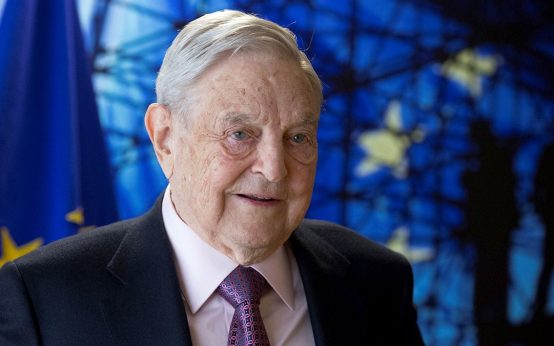 Michigan Senate Race Sees Influences from Soros-Linked Funding
 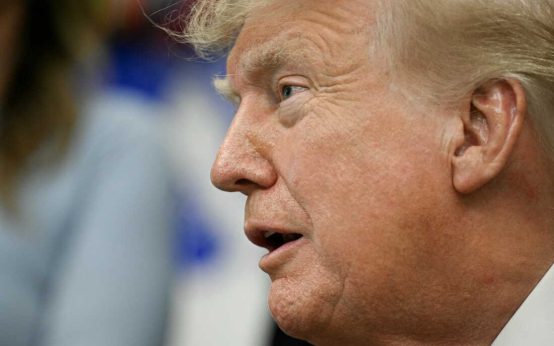 Trump Seeks Diplomatic Success at the U.N. Amid Challenges
 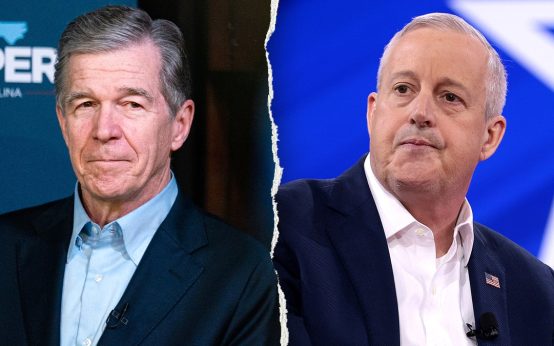 North Carolina Senate Race Influenced by Abortion Policy Messaging
 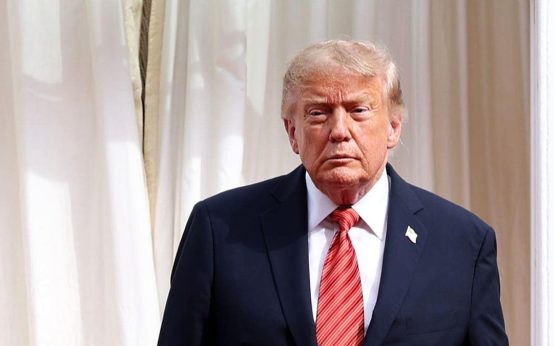 Trump Pressures Republicans on Filibuster Threat
  Rep. Golden Endorses Rep. Lawler for Re-election