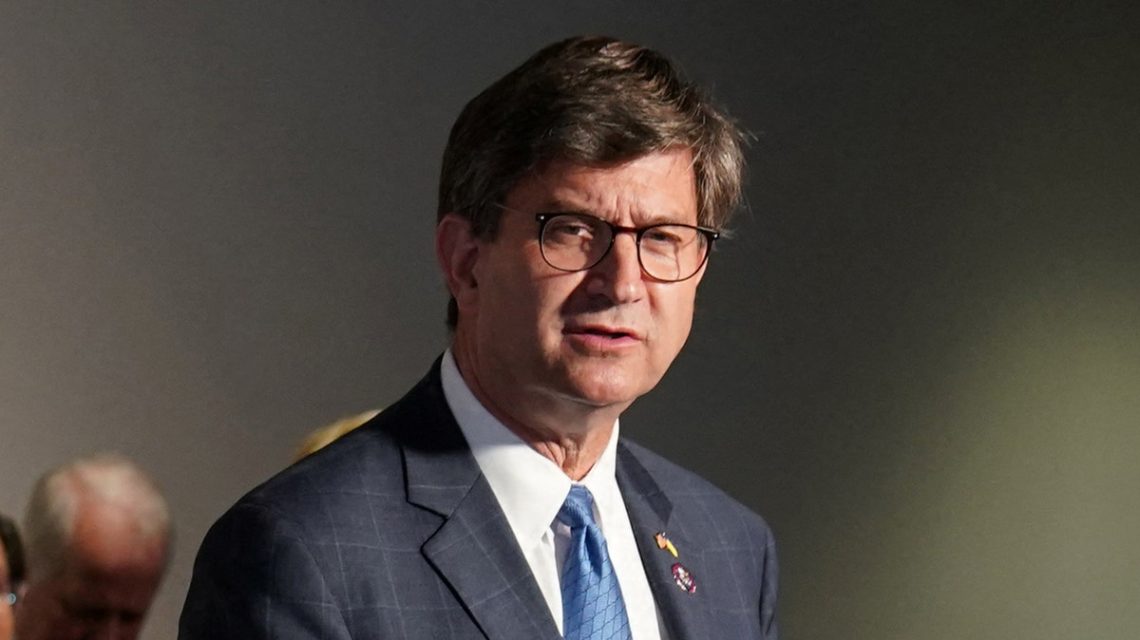
A prominent House Democrat recently criticized Graham Platner, a Senate candidate, for claiming ignorance about the Nazi origins of his tattoo. Rep. Brad Schneider, D-Ill., did not hold back in his remarks. He stated clearly that Platner should accept responsibility and move forward. According to Schneider, this is something Platner appears unwilling to do.
Schneider’s comments put him among the most recognized Democrats to question Platner’s actions. Platner, aiming to unseat Sen. Susan Collins, R-Maine, in upcoming elections, is under scrutiny for various controversies. These include sending inappropriate messages, offensive social media history, and allegations of past relationship abuse.
The issue gained traction following reports from The New York Times. Some of Platner’s former partners claimed he knew of the tattoo’s Nazi connection. One woman, Lyndsey Fifield, shared that Platner explained the design as the Totenkopf, joking about its Nazi roots.
Platner, however, denied these claims during an interview. When questioned about a text from Fifield in August 2025, mentioning the tattoo, Platner stated he was unaware of her message.
Allegations also arose of physical assault, which Platner categorically denied. His tattoo, now covered, had been an issue since late 2025. He said the tattoo originated from a night out with fellow Marines in 2007.
The division among Democrats about supporting Platner is evident. Schneider remarked on the difficulty of making such a voting decision, thankful not to face it himself. Other Democrats, including Rep. Jake Auchincloss and Sen. John Fetterman, have been vocal in their criticism.
Rep. Jake Auchincloss, D-Mass., and Sen. John Fetterman, D-Pa., have also voiced strong opinions against Platner’s past statements. Fetterman highlighted the seriousness of having a Nazi-affiliated tattoo, urging people to reflect on its implications.
Graham Platner has since taken steps to cover the tattoo. Public attention remains focused on his candidacy and the unfolding political situation.
Schneider’s New Democrat Coalition continues to hold significant influence, being the largest group among House Democrats with over 100 members.
 Gov. Greg Abbott Expands Diesel Use Amid High Prices
  Trump Administration Reduces Car Fuel Efficiency Standards
  Confusion Surrounds UK Bomb Plot Investigation as Suspects Released on Bail
 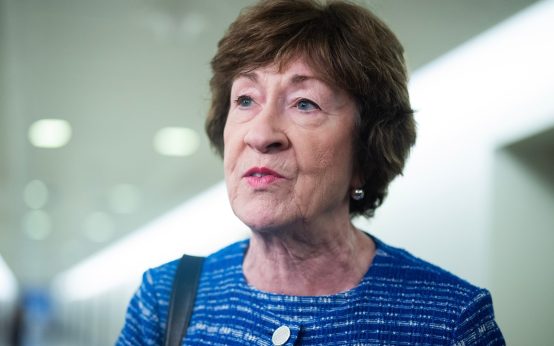 Maine Senate Race: Rising Home Heating Oil Prices and Political Tensions
  Democratic Women’s Caucus Unveils Economic Agenda
  White House Reopens Part of Lafayette Square