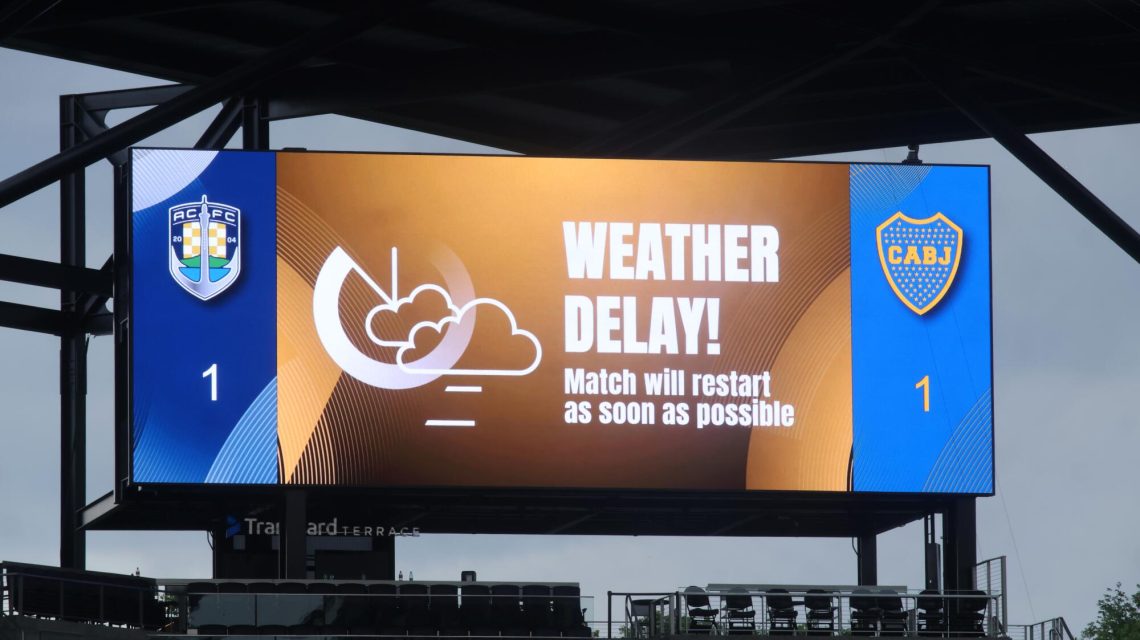
As Lionel Messi and the Argentine World Cup team arrived at their training base in Kansas City, severe thunderstorms swept through the area. These storms brought power outages, toppled trees, and issued flood and tornado warnings. Such disruptions raise concerns as the World Cup approaches, set to begin next week in Mexico, Canada, and the U.S.
Kaitlyn Trudeau, a senior research associate in climate science at Climate Central, highlighted the influence of climate change on the tournament. “Climate change will not only make it hotter, but it will also increase humidity,” she said. This could mark one of the last traditional summer World Cups, as global June temperatures have risen by 1.89 degrees since 1930.
This small increase represents many days and nights of extreme heat. “It can be a very dangerous situation,” noted Trudeau. FIFA President Gianni Infantino has already discussed changing the tournament’s timing from June to March or October after 2030.
In the short term, early kickoffs, cooling breaks, and air-conditioned stadiums will become more common. The report “Pitches in Peril,” co-published by Football For Future, examines climate change’s effects on global soccer. Elliot Arthur-Worsop, the founding director, emphasized the unpredictability of extreme weather events and the risks they pose to all involved.
Adapting to climate change might mean shifting the entire tournament to another season. Other measures include altering kickoff times, introducing drink breaks, and implementing heat protocols. Arthur-Worsop expressed concerns that the current men’s World Cup in North America might be the last held there due to extreme weather threats.
Trudeau cautions that these adaptations might lag behind the rapidly warming planet. “We are pushing ourselves to a limit,” she remarked. “This is not a safe environment for watching a game.” FIFA had to move the 2022 World Cup in Qatar from June to November, still requiring air-conditioned stadiums.
The 2030 World Cup, mainly in Spain, Portugal, and Morocco, will face June and July temperatures above 95 degrees. Few of the venues will be climate-controlled. A study in the International Journal of Biometeorology warned that 14 of 16 host cities for this year’s World Cup might exceed the extreme Wet Bulb Globe Temperature threshold, revealing heat stress impacts.
Moreover, locations like Miami, where several games will occur, could see 90-degree air temperatures feel like 109 degrees due to humidity. “It’s not just the temperature but also the humidity,” stressed Trudeau. In humid conditions, the body’s cooling through sweating becomes impossible, posing dangers to players and spectators.
To address the heat, playing games in cooler evening hours is an option. Yet, FIFA scheduled many matches during afternoon hours for European television audiences. Although mid-game hydration breaks are planned, Trudeau criticized this approach, questioning FIFA’s priorities.
“We should not be scheduling matches during the hottest parts of the day,” she argued. FIFA maintains that climate-related risks are managed in cooperation with host cities and stadium authorities, implementing heat-mitigation measures like cooling buses, misting systems, and additional water distribution.
The previous summer’s FIFA Club World Cup in the U.S. previewed potential issues, experiencing high heat, humidity, and thunderstorms that caused several match delays. Argentine midfielder Enzo Fernandez noted the dizziness he felt due to the heat, emphasizing the danger of playing under such conditions.
Norwegian defender Julian Ryerson added that humidity and heat affect the quality of play, requiring precautionary measures. As the planet heats up, options for hosting traditional World Cups diminish. Adjusting tournament timing, location, or even considering indoors games with air-conditioning might become necessary.
Trudeau warned, “We must address human-caused climate change to preserve culturally and economically important events.” Without action, the traditional formats of these global tournaments might become impossible to uphold.
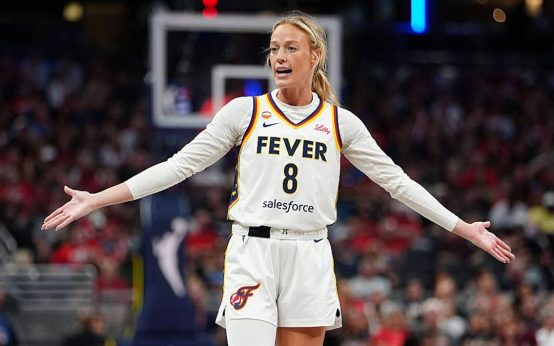 Controversy Surrounds DiJonai Carrington’s Ejection and Social Media Reaction
  Tarik Skubal’s Trade to the Dodgers: What it Means for MLB
  Basketball Legacy: Remembering Don Nelson
  Chris Sale Ejected Before Pitch in Game Against Yankees
 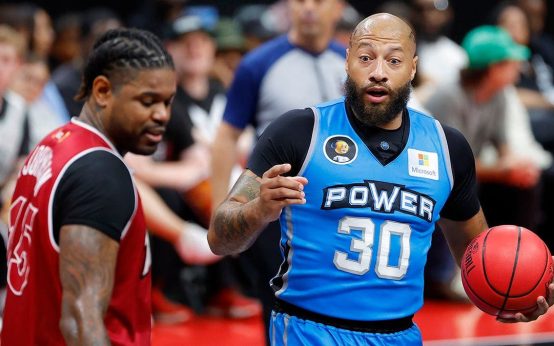 Royce White Discusses WNBA and Gender Eligibility Debate
  Ana Maria Markovic’s Journey: From Knee Injury to New Beginnings