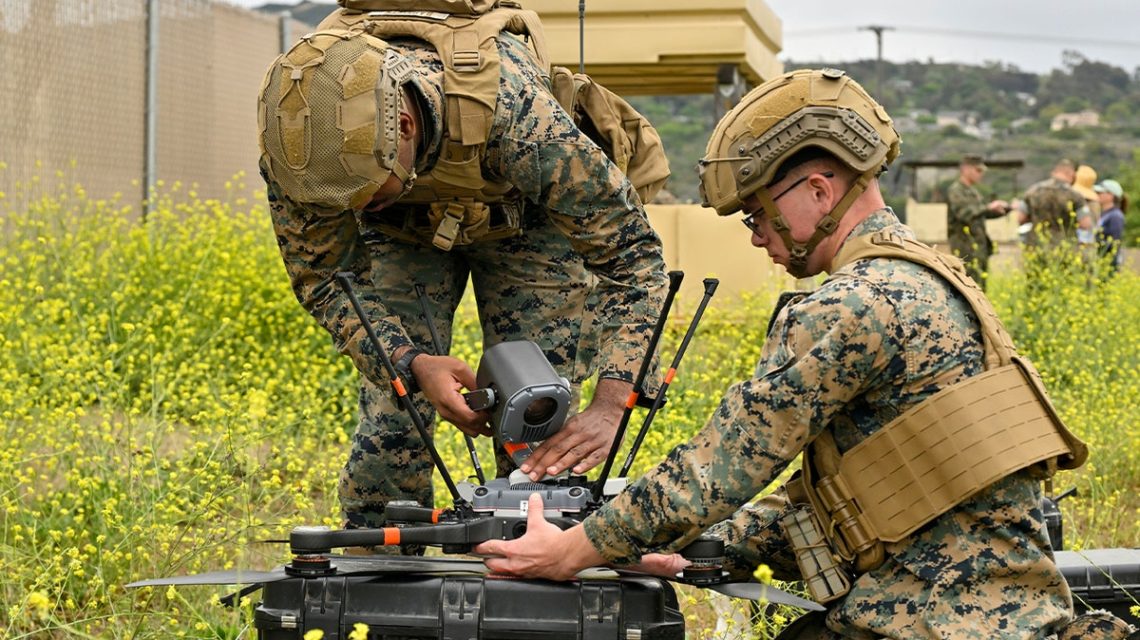
The modern battlefield demands a steady supply of drones, similar to the relentless consumption of artillery shells in the 20th century. Drone production is urgent. Ukraine manufactured five million drones last year, while Russia launched 805 drones in one night against Ukrainian cities. In this warfare style, victory depends on the industrial base’s ability to manufacture at scale. Not necessarily on weapon sophistication. A critical component in this production is the permanent magnet, found in every drone motor. China produces most of these magnets.
U.S. Strategic Shift in Drone Production
Former President Donald Trump’s executive order in June 2025 focused federal efforts on American-made platforms. It sent a clear signal to the industrial base to organize production. This move accelerated acquisition timelines, with vendors moving quickly from field evaluations to production contracts. The Pentagon’s Drone Dominance Program has allocated $1 billion for purchasing more than 200,000 drones by 2027 and aims for 340,000 by 2028.
To meet these goals, the U.S. must follow the supply chain below the motor. The country consumes about 50,000 tons of permanent magnets annually, primarily imported from China. These magnets are essential for producing the magnetic field that powers drone motors. If the supply stops, scaling efforts halt.
Supply Chain Challenges
T.S. Allen, a former leader in the Pentagon’s rapid drone fielding program, highlighted the need to scale critical components like batteries. He noted the challenge stems from China and Malaysia controlling most processing of critical minerals. China’s dominance in rare-earth materials was built through state subsidies and pricing strategies that bankrupted Western competitors.
Rare earth prices witness extreme fluctuations, impacting supply drastically. However, iron and nitrogen, used in making iron nitride permanent magnets, are abundant and low-cost without government export controls. This ensures predictable scaling costs unlike rare-earth inputs.
Chinese Export Controls and Western Response
In April 2025, China imposed export licensing on seven rare earth elements and related permanent magnets, affecting defense and industrial supply chains. Consequently, fewer than 25% of export license applications were approved. This led to a 75% year-over-year drop in Chinese rare earth magnet shipments before a partial recovery.
Ukraine faced similar challenges when localizing motor production. It has the mineral reserves but lacks infrastructure for large-scale magnet production. Western countries need not solely rely on expanding rare-earth capacity. Alternatives like iron nitride present viable paths.
Iron Nitride as an Alternative
Iron nitride magnets are already in use across commercial sectors. Neither iron nor nitrogen faces export license risks or embargos. These magnets offer competitive performance at high temperatures and reduced weight, crucial for drone motor design.
American universities pioneered the science behind iron nitride, and production is scaling to fulfill demand. Integrating iron nitride into the drone supply chain extends proven commercial tech to a high-stakes sector.
The Imperative for Resilient Supply Chains
Attrition warfare is a contest of production. Victory favors the side that maintains production. Supply chains risk breaking amid disruptions, crises, or export controls. Every critical drone motor supply chain input must have a secure source. Magnets still lack this security.
Jonathan Rowntree, CEO of U.S.-based Niron Magnetics, emphasizes the need for such secure inputs. His company develops rare-earth-free permanent magnets to address this gap.
 Trump Suggests Renaming AI to ‘Super Intelligence’
  The Rise of Data Centers and AI Development
  How China Uses AI to Challenge U.S. Dominance
 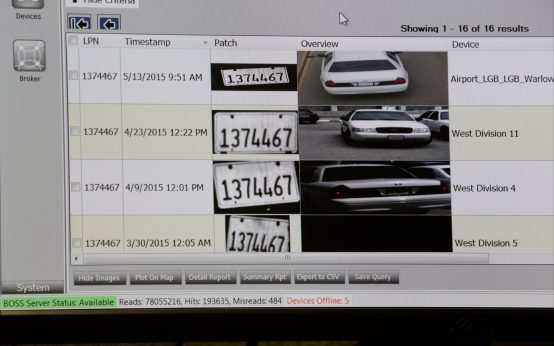 Controversy Surrounding Automated License Plate Readers (ALPRs)
 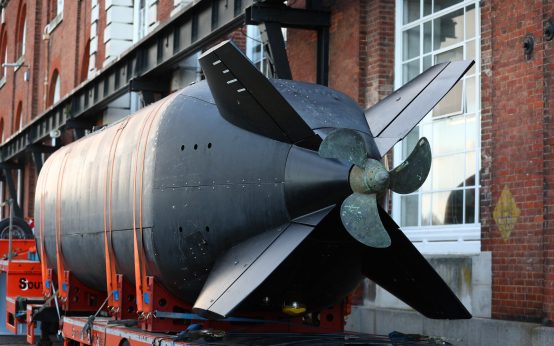 U.K. Test-Fires U.S. Torpedo from XV Excalibur
 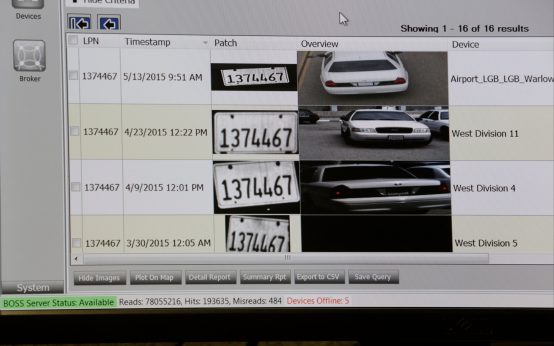 The Rise and Controversy of Automated License Plate Readers