
In May 1933, nearly 30% of Angelenos were unemployed, a consequence of the Great Depression. During this period, the incumbent city attorney was ousted, marking a significant event in Los Angeles’ political history. Fast forward to the present, Hydee Feldstein Soto faces a likely defeat in a primary race reminiscent of past challenges.
Marissa Roy, a California Department of Justice deputy attorney general, currently leads the race. Her campaign attracted voters with a robust ground game and savvy use of social media, aiming to support wage workers and tenants. The backing of powerful unions and democratic socialists propelled her success, echoing political shifts from the 1930s.
County prosecutor John McKinney capitalized on public dissatisfaction with homelessness and downtown conditions. His campaign, launched in earnest five weeks before the primary, embraced a tough-on-crime theme. Though some city crime categories have declined, McKinney’s message resonated with voters.
“This is not something that has happened in the lifetimes of most people who follow city government,” said Mike Bonin, a former City Council member.
Feldstein Soto, recognizing the primary outcome, conceded the race. Her failure marks a rare event in Los Angeles’ political landscape. John McKinney, benefiting from a substantial $3 million in independent campaign expenditures, captured essential law enforcement support, further destabilizing Soto’s position.
Political experts state that Feldstein Soto’s lack of a compelling narrative hindered her campaign. Without a relatable story for voters, she struggled to highlight her office achievements. These included modernizing internal systems and improving relations with the LAPD. Her detractors, meanwhile, pointed to rising litigation costs and internal controversies.
Roy effectively engaged progressive voters and displayed a consistent public persona. Her team’s targeted approach on social media helped refine their strategy throughout the campaign. Notably, a clip of Feldstein Soto’s reluctance to prosecute the Trump administration gained significant traction among voters.
McKinney, despite fewer communications, benefited from visual storytelling in his ads, aligning his image with firm crime-fighting. This approach mirrored successful tactics used by other political figures in recent campaigns.
Political analysts suggest that both McKinney’s and Roy’s consistency in branding played a crucial role. Many voters began the race without strong inclinations towards specific candidates, leaving room for impactful narratives to sway their decisions.
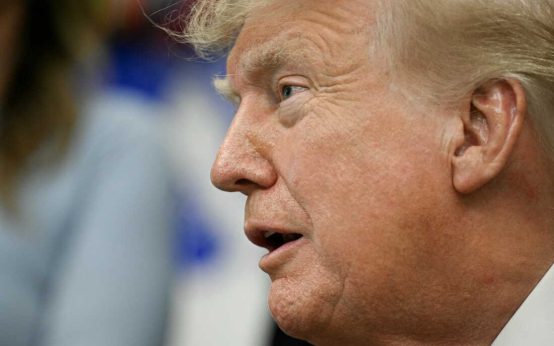 Trump Seeks Diplomatic Success at the U.N. Amid Challenges
 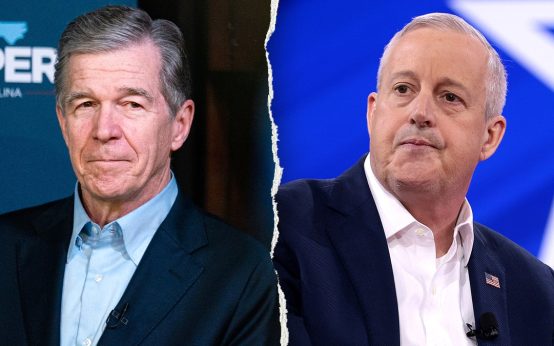 North Carolina Senate Race Influenced by Abortion Policy Messaging
 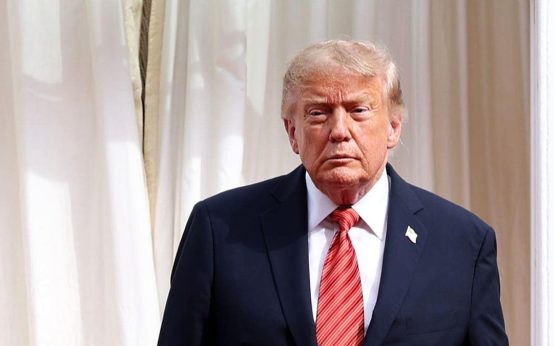 Trump Pressures Republicans on Filibuster Threat
 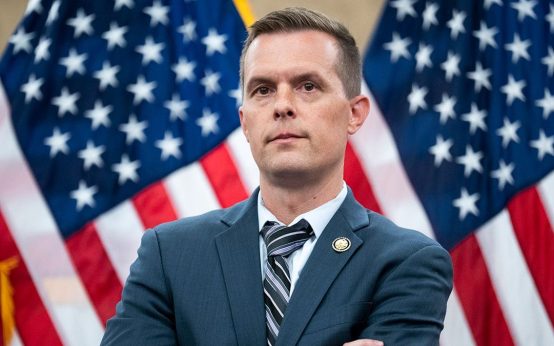 Rep. Golden Endorses Rep. Lawler for Re-election
  Public Perception and Political Impact of Data Centers
  Jewish Democrats in Michigan Shift Support to GOP Candidate in Senate Race