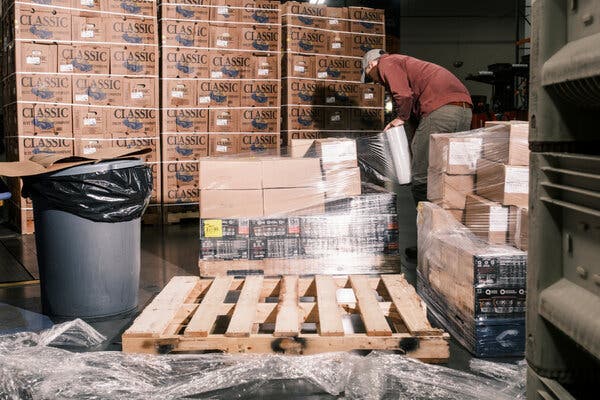
Rising fuel expenses are affecting food banks across the U.S. These organizations supply pantries nationwide and are already dealing with financial challenges. The ongoing conflict in Iran has increased diesel costs, adding pressure on food banks.
Each day, the Oregon Food Bank’s fleet of semi trucks departs from its central warehouse in Portland. They transport thousands of pounds of canned goods, frozen meats, and fresh produce to food pantries throughout the state. Some destinations are close by, like local churches and soup kitchens. Others are much farther, such as a pantry near the Idaho border, a lengthy six-hour journey across varied landscapes.
Andrea Williams, the president of the Oregon Food Bank, highlighted the financial strain. She stated that the organization now needs to budget an additional $20,000 monthly for fuel. This increased cost directly impacts the quantity of food they can deliver.
“It’s an opportunity cost,” said Ms. Williams. “It could be going to food for people, but instead it’s going into the price of gas.”
The war in Iran has pushed fuel prices higher nationwide, affecting Americans at the pump. Now, this economic ripple is hitting food banks, which might seem unexpected.
Food banks, like those in Oregon, are vital. According to a 2024 report by Feeding America, up to 50 million Americans seek emergency food assistance annually. These individuals rely on local food pantries and soup kitchens. Food banks play a crucial role by sourcing and distributing food across rural regions in the U.S.