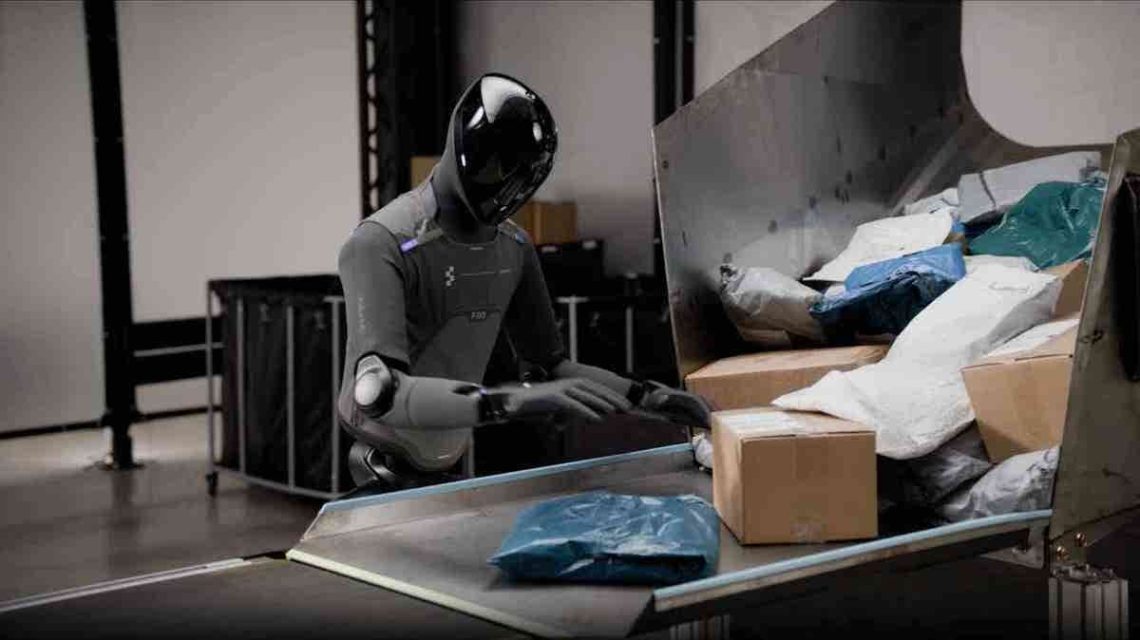
Humanoid robots have entered a new work environment: major retail warehouse operations. Figure AI has entered a commercial partnership with Catalyst Brands, the entity behind retailers such as JCPenney, Aéropostale, Brooks Brothers, Eddie Bauer, Lucky Brand, and Nautica. The first phase implements these robots at the Catalyst’s Reno, Nevada Distribution Logistics Center. Unlike in-store roles, these robots currently focus on warehouse and supply chain tasks.
Workforce Concerns
The introduction of robots raises concerns about human employment in such environments. There is a fear that robots could eventually replace human roles. These concerns have gained significant attention.
Figure AI’s Robot Deployment
Figure AI’s robots are intended to assist in physically demanding and repetitive tasks in Catalyst’s warehouse. They start their roles sorting and packing using the Joey Pouch system. This focuses on computerized induction, sorting, and packing processes. A $40 million infrastructure update at the Reno facility reinforces this initiative.
Our aim is to modernize operations and support our workforce by automating routine tasks, allowing associates to engage in higher-value work and better serve our customer base.— Marc Rosen, CEO of Catalyst Brands
The rollout starts in the warehouse, away from retail floors. Clarifying this is crucial, given online discussions mistakenly suggesting a retail store debut. However, warehouse jobs still bear significant importance, drawing considerable attention.
Significance of the Deal
Catalyst Brands’ vast operations and Figure AI’s ambition to scale humanoid robots pique interest. Financial ties between Brookfield and both entities add another layer. Depending on the performance in Reno, broader deployment might follow.
Omissions and Concerns
Specific details remain undisclosed. The number of robots, start dates, and business model regarding the robots (purchase, lease, service) are unclear. The potential impact on human roles is also unspecified. This lack of clarity fuels public speculation and concern, with many wondering about job security.
Employee Fears About Robotics
Automation’s history in cutting costs and reorganizing workforces gives context to current fears. While robots promise to ease physical workloads, the message workers hear may differ. Retraining and replacement concerns are not easily dismissed.
The Value of Warehouse Automation
Retail companies eye automation to alleviate the physical demands of warehouse work. This includes lifting, moving, and sorting products. Robots like those from Figure can integrate into human-designed spaces, potentially streamlining these tasks and supporting heavy demand periods.
Future Prospects
Expansion beyond Reno would signify a larger shift in retail operations. Key information, including robot deployment scope and employee duties, will reveal more. Companies should provide transparent communication regarding employee roles and future engagement.
Consumer and Worker Implications
Warehouse robots could speed up product availability, reducing empty shelves and improving online order fulfillment. For workers, transparency and training are essential to ensure that robots offer assistance rather than replacement.
The broader societal question centers on comfort with humanoid robots in retail workflows, potentially lowering costs but also reshaping workforce dynamics.
Conclusion
The adoption of humanoid robots is advancing rapidly. Initially deployed in distribution centers, the impact on workflows and workforce needs closer examination. Successful integration requires ensuring that automation supports, rather than replaces, the human workforce. Workers and consumers alike deserve assurance in this evolving landscape.
 The Challenges of Regulating AI Unveiled
  Challenges of the Digital Markets Act in the EU
  Scientists Discover Enormous Crater on Moon
  AI Chatbot Concerns: Families and Legislation
  NPR Launches AI-Focused Podcast ‘Machine Gods’
  Trump Proposes ‘AI Force’ to Oversee Artificial Intelligence