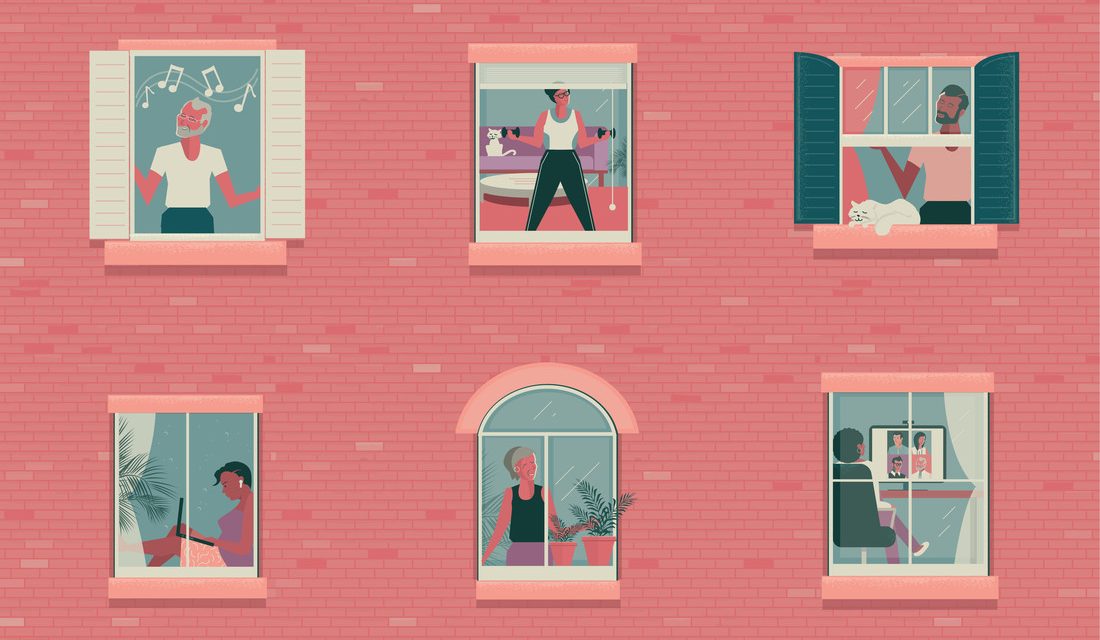
For many, working remotely hasn’t translated to fewer work hours. In fact, the average workday has extended by approximately 49 minutes. People now face more meetings compared to the pre-pandemic era. Whether you’re commuting to work or your home has become your office, the struggle to disconnect from work often existed even before the pandemic.
Burnout is a global issue and is now recognized as a syndrome by the World Health Organization’s International Classification of Diseases. It manifests as exhaustion, cynicism, and negativity. This situation prompts reflection. Consider the last time you enjoyed a movie or show without checking emails. When did you leave the house without your phone? Are you able to have a meal or sit for an hour without working?
Journalist Celeste Headlee interviewed Amelia Aldao, a New York City therapist, to discuss learning to work less and relax more. Below are highlights from their conversation.
Understanding the Loneliness Epidemic
People are feeling increasingly isolated, affecting those living alone and those with family or partners. This isolation has been problematic for years, exacerbating anxiety, depression, and physical health. The loneliness epidemic in America continues to grow.
Reasons Behind Work-Related Guilt
Work-related guilt stems from internalized expectations imposed by family and upbringing. While guilt is a challenging emotion, it signals unmet expectations. Dealing with guilt involves reframing your environment, resetting expectations, and restructuring your life. Addressing guilt requires proactive efforts since once it takes hold, it becomes difficult to manage.
Exposure Therapy for Task Management
Exposure therapy aids in addressing compulsions related to task completion. Accepting that not all tasks can be completed immediately helps prioritize important ones. For instance, being an ‘inbox zero’ person shifted during the pandemic. Prioritizing clients and team members while addressing other emails as time permits helped manage the overwhelming feeling of unread emails.
Exposure therapy, a component of cognitive behavioral therapy, suggests that repeated exposure to anxiety-inducing tasks gradually reduces anxiety over time.
The podcast version of this discussion was produced by Clare Lombardo. Share your thoughts by leaving a voicemail at 202-216-9823 or emailing [email protected]. To explore more Life Kit content, subscribe to our newsletter.
 Measles Exposure in Philadelphia Raises Health Concerns
  Lawsuits Claim Vision Loss Risk from GLP-1 Medications
  States Tighten Regulations on Tianeptine, Known as ‘Gas Station Heroin’
  Medicare Lab Test Payments: Upcoming Changes and Their Implications
  Gen Z Faces Economic Barriers to Dating and Intimacy
  Understanding and Preventing Suicide: A Public Health Priority