
The Trump administration recently sparked significant controversy by announcing a legal fund that gained popularity among Jan. 6 rioters. This announcement included a claim that President Donald Trump would be granted immunity from any potential tax-related crimes concerning taxes filed up to the present date.
Many legal experts have voiced their concerns regarding this move, describing it as “a legal absurdity.” These critics argue that the attempt to shield the president from tax accountability while he remains in office undermines fundamental legal principles. They emphasize that no individual should be above the law, highlighting the importance of transparency and accountability in governance.
While the administration insists this immunity is necessary to ensure presidential focus on national duties, opposition views this as a maneuver to circumvent legal scrutiny. The decision has prompted debates about the scope of executive power and its interaction with legal norms. It raises critical questions about executive immunity and its implications for democratic processes and checks and balances within the government.
The controversy continues to unfold, drawing widespread attention as political and legal experts, alongside the public, assess the potential impacts of this decision.
 Tensions Rise Between Democratic Moderates and Progressives
  Republican Candidates Compete for South Carolina Senate Seat
 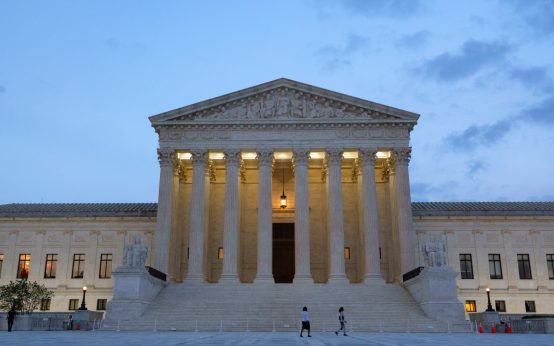 Conservative Activists Aim to Shape Judicial Perspectives on Birthright Citizenship
 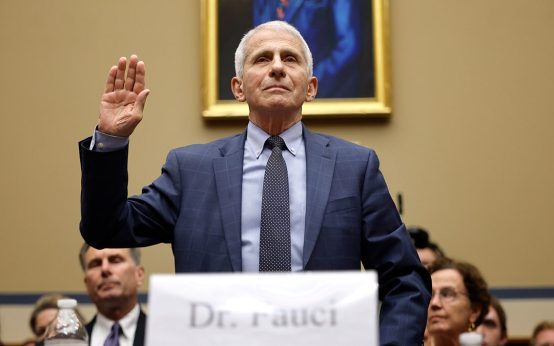 Understanding Contempt of Congress: Recent Case Involving Dr. Fauci
 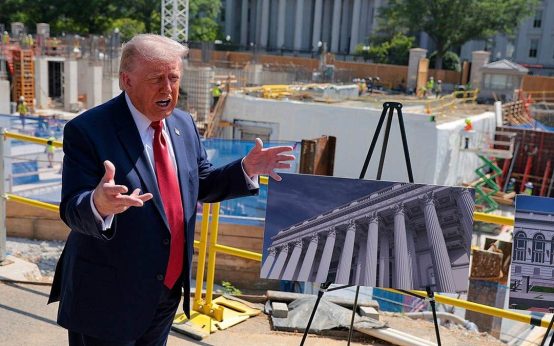 Legal Experts Predict Trump’s Success in White House Ballroom Case
 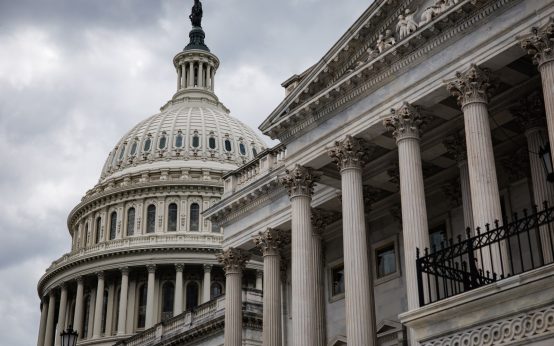 Senate Passes Stopgap Funding Bill, Affecting Key Policies