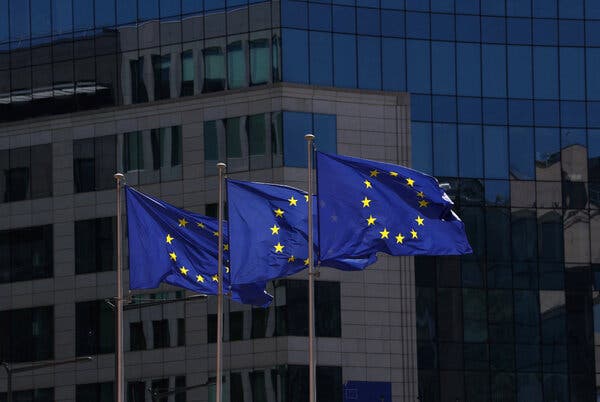
European Union’s Strategic Move Toward Tech Independence
The 27-nation European Union has revealed an ambitious plan aimed at reducing reliance on American technology, a move driven by concerns over economic stability and geopolitical security. The relationship with the Trump administration has been strained, prompting officials to seek greater self-sufficiency in technology.
Focus on Data Centers, Semiconductors, and Cloud Computing
Central to the EU’s strategy is increasing government involvement in technological development. The plan includes accelerating the establishment of data centers and rejuvenating the semiconductor industry. Additionally, there is a strong push for European governments and businesses to procure technology from domestic suppliers, especially in critical security areas.
Strategic Concerns Over Tech Dependence
European leaders are increasingly concerned about dependence on American technology platforms such as artificial intelligence, cloud computing, and semiconductors. This reliance has been perceived as a potential vulnerability, where a ‘kill switch’ could be triggered by the Trump administration or subsequent U.S. leadership to disrupt access to vital tech services.
“We cannot afford to depend on others for the technologies that keep our hospitals running, our energy grids stable and our services secure,” stated Ursula von der Leyen, President of the European Commission.
Impact on International Relations
The adoption of protectionist economic policies within the so-called technology sovereignty package may further complicate Europe’s relationship with the Trump administration. Historical disagreements over trade, geopolitical conflicts, and tech control have already strained ties. The U.S. trade representative, Jamieson Greer, has previously warned of potential retaliation.
Meanwhile, efforts are ongoing to implement a trade agreement with the United States, with President Trump pressuring for completion by July 4. The European Parliament is anticipated to vote on the tech package in mid-June, positioning this as a critical time for international negotiations.
 FBI Arrests Suspected Chinese Agent in Los Angeles
  Netanyahu Urges Comprehensive Security Review After Flight Incident
 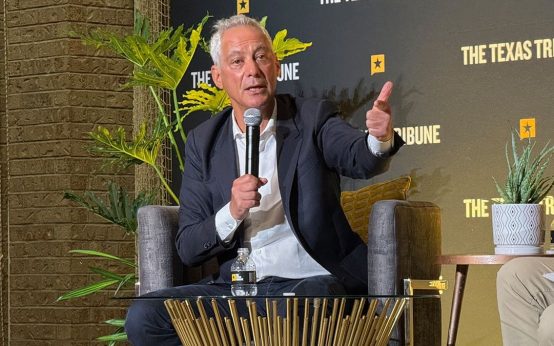 Rahm Emanuel Advises Against Impeaching Trump, Advocates for Ethics Reform
 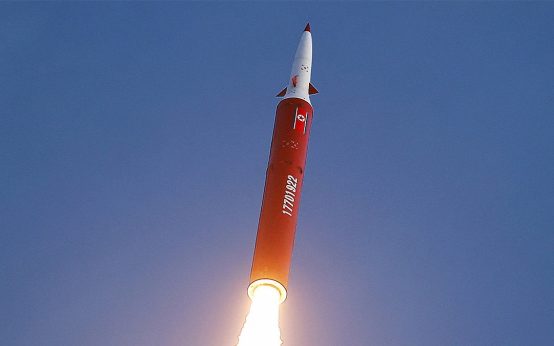 North Korea’s Missile Test Raises U.S. Concerns
 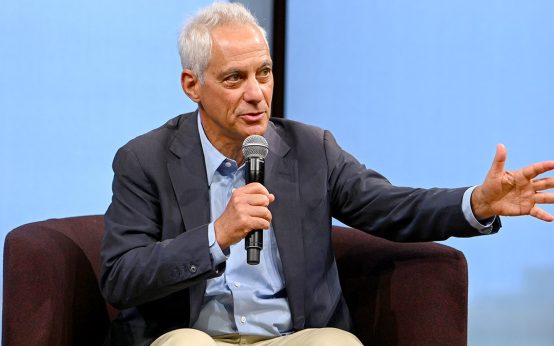 Rahm Emanuel Discusses Potential 2028 Presidential Bid and Faith
  JD Vance’s RNC Speech Fuels 2028 Presidential Speculation