Beneath the iconic Notre Dame Cathedral, archaeologists are uncovering the depths of Roman Paris, revealing layers of history long buried. Tourists waiting to explore the cathedral are unaware of the excavation happening just below, where historical remnants are steadily coming to light.
Uncovering Layers of History
In 2019, Notre Dame’s spire fell due to a fire, capturing global attention. By 2024, the rebuilt cathedral reopened, and Paris began plans to transform the area in front of it with greenery. However, before digging could commence, excavations were necessary to preserve potential archaeological findings. The forecourt of the cathedral now serves as an archaeological site, a testament to the city’s rich past.
The Dig of the Century
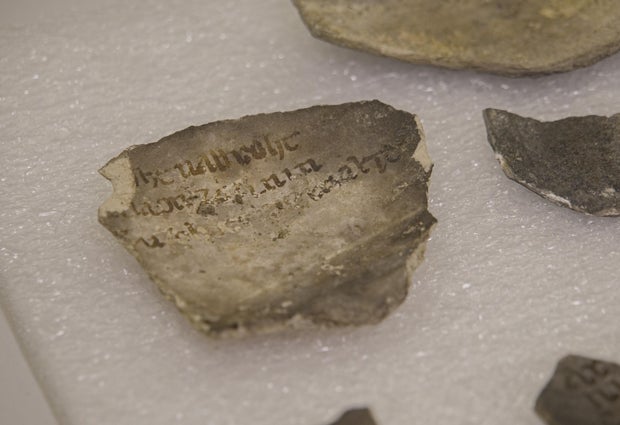
Dubbed by French media as the ‘dig of the century,’ this excavation offers a rare chance to connect with Paris’s history. Lucie Altenburg, a conservator with the Paris archaeology unit, highlights the significance of this undertaking. Among numerous artifacts, the team has discovered a fourth-century coin featuring Emperor Constantine and medieval pottery with inscriptions awaiting interpretation.
“It makes Notre Dame feel alive again,” said tourist Emily Carter, as she awaited her turn to enter the cathedral.
The excavation reveals a layered history, with artifacts spanning 20 centuries, showing the continuous evolution of Paris. Ancient cities, like Paris, contain histories beneath their streets, constantly reshaping their foundations.
Notable Discoveries
Significant discoveries include intact medieval ceramics, recovered from ancient waste pits, exemplifying how archaeology often uncovers history in unexpected places. These objects, protected by layers of time, provide crucial insights into past eras. In addition, faint reddish writings discovered on the pottery add a layer of mystery for researchers.
Tracing Paris’s Origins
The team led by Camille Colonna uncovered Roman and Merovingian artifacts, such as a Roman doorstep repurposed as paving, illustrating the resourcefulness of past societies. These findings contribute to the understanding of Paris’s historical depth, extending back to its Roman roots when it was known as Lutetia.
Future Outlook
The archaeological work precedes the city’s new development plan, aiming to introduce a woodland clearing and additional trees by 2028. Meanwhile, exploration continues, with hopes of reaching even earlier strata, potentially dating to the Gauls, who were among the first known inhabitants of the area.
In addition to these efforts, a previous discovery in 2022 revealed tombs and a lead sarcophagus from the 14th century, hinting at the cathedral’s longstanding significance. These investigations affirm Notre Dame’s historical and cultural value while paving the way for new public spaces respecting and celebrating its past.
 US Monitors Russian Pneumonic Plague Case
  Poland Prepares for Potential Conflict Amid NATO Concerns
  Drone Warfare Redefines Ukraine’s Frontline Conflict
  Key Developments in the Iran Conflict Affecting Global Oil Markets
 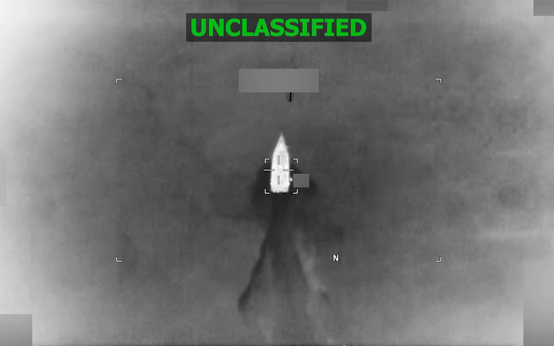 U.S. Military Strikes Vessel in Caribbean, Allegedly Involved in Drug Trafficking
  Australia Probes FlyDubai Co-Pilot’s Connections