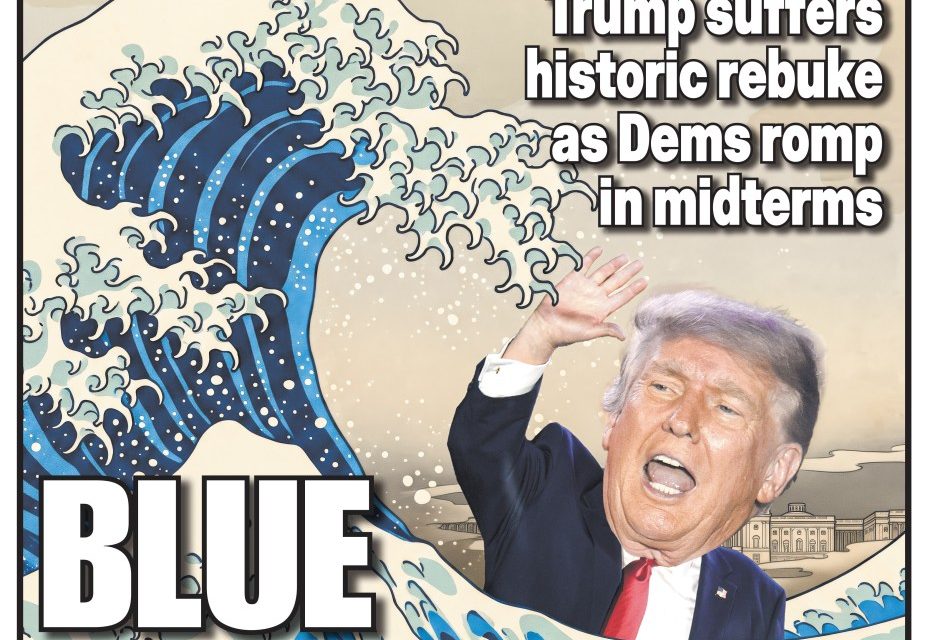
The results of Tuesday’s elections can be described as a significant shift in political power. The elections significantly altered the Republican party’s influence. This change wasn’t unexpected. Political polls had indicated growing dissatisfaction among the public with President Trump and the Republican Congress.
Surveys had shown a likely shift of power in the House, which occurred swiftly on election night. Control of the Senate also shifted away from the GOP, marking a historical change. President Trump’s rallying cry for Republicans to vote as if his name was on the ballot had unintended consequences. Democrats and Independents rallied to oppose him.
A consistent warning for the election result had been President Trump’s low approval ratings. For months, his ratings were below 40%. Many voters expressed displeasure over the effects of the Iran war on energy prices and inflation. However, Trump dismissed these concerns, which contributed to the political setback he faced.
AP polling highlighted that 65% of adults held Trump and his policies accountable for the high cost of living. Only 17% approved of how he was handling these issues. Such a stark opinion gap reflected in voter turnout, with many expressing they had heard and seen enough of him. As a result, the election was not just a regular vote against a party but a clear refusal of Trump’s policies and style.
“I threw it all away.” – Bob Dylan
Presidents often face challenges in midterm elections. In President Obama’s term, Republicans gained significant seats, setting a trend similar to Trump’s current situation. In 2018, during Trump’s first term, Democrats seized control of the House, leading to significant political face-offs. Still, the Republicans gained crucial Senate seats, impacting Supreme Court confirmations.
As Trump faces the aftermath, adapting to this new political climate will be essential. Admitting past mistakes publicly could potentially aid his presidency. Yet, it would require him to reassess his actions and curb some of his more controversial decisions.
On the Democratic side, their success could lead to increased action. Representative Robert Garcia’s call to “LAWYER UP” alludes to future scrutiny and oversight. New York’s gubernatorial race reaffirmed Democratic dominance, with Gov. Hochul securing a notable victory.
This election has reshaped the political landscape. It signifies a period of strategic realignment for both parties while reflecting public sentiment on current leadership.
 Democratic Wins in South Carolina Shake Up Political Landscape
 Eileen Laubacher Declares Victory Over Lauren Boebert in Colorado’s 4th District
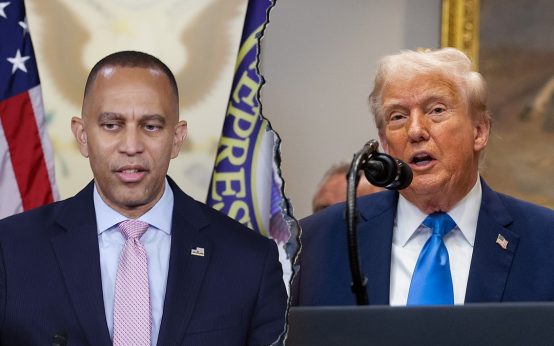 House Democrats Set Aggressive Agenda Under Rep. Hakeem Jeffries
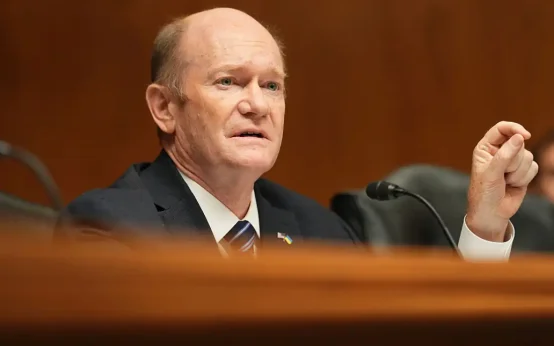 Democratic Sen. Chris Coons Outlines Post-Midterm Priorities
 Far-Left Candidate Mélenchon Reveals Economic Platform
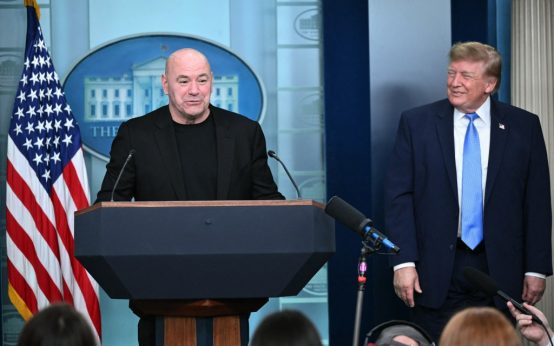 President Trump Brings UFC CEO Dana White to Press Briefing