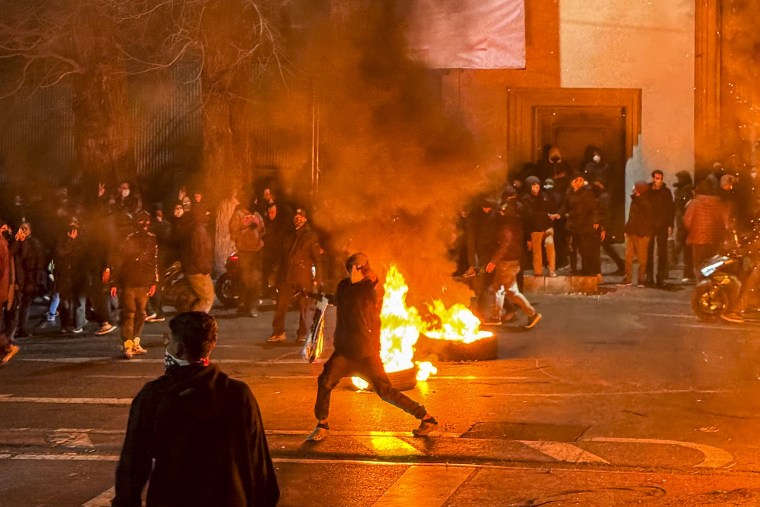
In a climate of both domestic dissatisfaction and external pressure, Iranian official Pezeshkian acknowledged, “We feel ashamed before the people,” reflecting the governmental struggle to manage the situation. According to the U.S.-based Human Rights Activists News Agency, the number of fatalities from the unrest in Iran had climbed to nearly 7,000 by Tuesday. This organization reportedly confirms each death through a network of activists in Iran and ensures its data undergoes extensive internal checks, although the Iranian government previously reported an official count of 3,117 deaths last month. NBC News has not been able to independently confirm these figures.
The political landscape intensified as former President Donald Trump expressed readiness to intervene if Iranian authorities executed protesters, although immediate military intervention was not pursued. The United States had been increasing its military presence in the region, which could support potential strikes or add pressure in diplomatic discussions.
Tehran witnessed street blockades during protests in January, capturing widespread unrest. The government’s stance provoked a heightened response from the U.S. On that tense Tuesday, Trump suggested dispatching another aircraft carrier to the Persian Gulf, mentioning the USS Abraham Lincoln was already stationed in the vicinity. In an interview with Axios, he stated, “We have an armada that is heading there and another one might be going.” Last month, Trump urged Tehran to negotiate a “fair and equitable deal,” or they would face the strength of American forces.
Despite escalating tensions, Iran’s readiness for defense posed a risk of broader regional conflict. Iranian Foreign Minister Abbas Aragchi acknowledged the necessity for U.S.-Iran negotiations. Trump’s conversation with Israel’s Channel 12 affirmed the U.S. might take “something very tough” if a resolution isn’t achieved.
Israeli Prime Minister Benjamin Netanyahu aimed to persuade Trump that an agreement should restrict not only Iran’s nuclear aspirations but also address its ballistic missile program and support for regional proxy entities such as Hamas and Hezbollah. Netanyahu had scheduled his visit to Washington earlier than planned due to the initial rounds of U.S.-Iran discussions that occurred in Oman the previous week.
While discussing potential negotiations with Axios, Trump emphasized it was obvious that any agreement must cover Iran’s nuclear ambitions, adding that it should also focus on its ballistic missile reserves. However, Iranian officials, including advisor Ali Shamkhani to Supreme Leader Ayatollah Ali Khamenei, firmly rejected negotiations regarding their missile capabilities, which remains one of the significant arsenals in the Middle East. Iran’s missile program expansion continues to worry neighboring Israel.
 Olympic Biathlon Drama: Scandals and Medals
  Tragic Week in Italy’s Mountains: Avalanches Claim Multiple Lives
  Love Letters Reveal an Intimate World War II Romance
 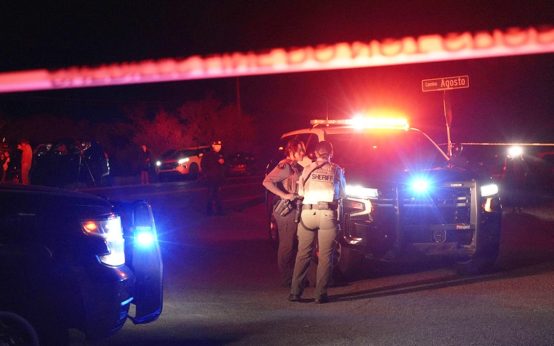 Investigative Efforts Continue in Nancy Guthrie’s Disappearance
 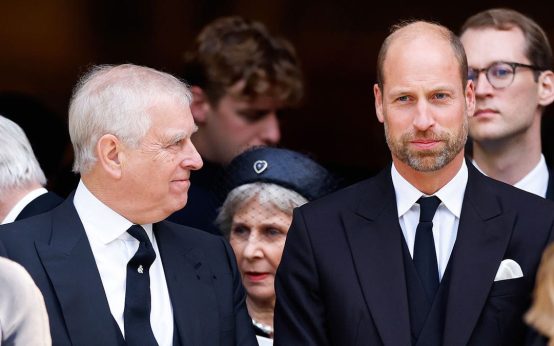 Prince William’s Stance on Prince Andrew and Epstein Scandal
 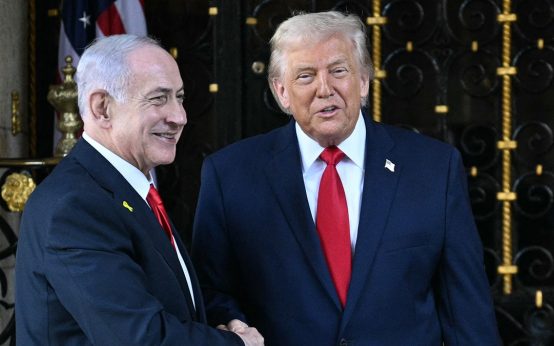 Netanyahu to Discuss Iranian Threat and Middle East Peace with Trump