Before Tom Homan took charge in Minneapolis as a border czar, he highlighted the importance of focusing immigration enforcement on specific targets to maintain the trust of the American people. In his view, while any undocumented immigrant in the U.S. could face arrest and deportation, those involved in additional criminal activities should be prioritized for action.
Homan, who has served under the Obama and Trump administrations, shared in an exclusive interview for the upcoming book “Undue Process: The Inside Story of Trump’s Mass Deportation Program”, his caution that failing to focus on these priorities might erode the public’s support for President Trump’s policies. As he explained on June 16, prioritizing criminal illegal aliens would align with the beliefs of most Americans and help sustain public support for Trump’s approach.
I think the vast majority of the American people think criminal illegal aliens need to leave. And if we stick to that prioritization, I think we keep the faith of the American people,said Homan during ongoing large-scale raids in Los Angeles under the direction of Border Patrol commander Greg Bovino.
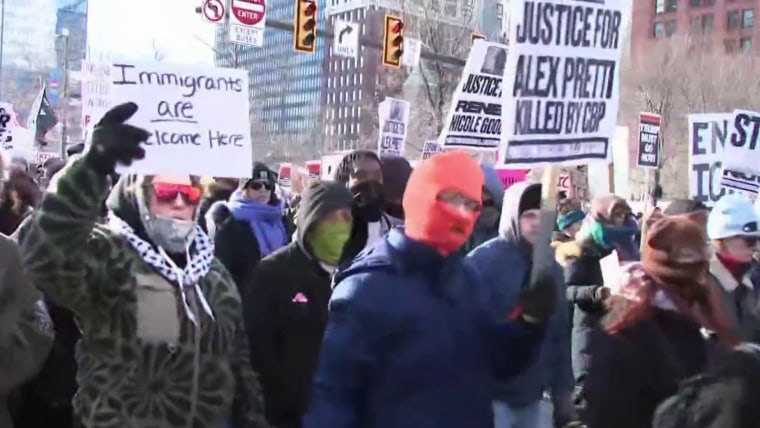
Bovino, who previously led a relatively unknown Border Patrol sector in El Centro, California, had brought his strategies to Los Angeles. Unlike Immigration and Customs Enforcement (ICE) operations that target specific individuals, these Border Patrol actions aimed broadly, arresting immigrants based on their locations at work or home. These tactics stirred controversy and protests, prompting a response from the Trump administration.
For example, in a dramatic event named Operation Trojan Horse, Bovino’s agents used a rental truck in a Home Depot parking lot to detain day laborers seeking employment. As deportation efforts expanded to cities like Chicago, Charlotte, and New Orleans, public dissent grew louder, particularly after the fatal shootings of two U.S. citizens in Minneapolis by immigration authorities.
The deaths of Alex Pretti, an ICU nurse, and Renee Good, both 37, underscored concerns about Bovino’s aggressive methods. The enforcement strategies, which included requesting documentation from citizens at gas stations, drew widespread criticism and legal challenges. Bovino was eventually transferred and replaced by Homan, who voiced a preference for more focused enforcement.
Homan began to scale back the federal personnel in Minneapolis by reducing the number of officers and encouraged cooperation with local law enforcement to target immigrants with criminal backgrounds. President Trump hinted at the need for a gentler approach to immigration enforcement in an interview with NBC News.
Homan, apprehensive about the implications of arresting migrants who had entered legally to seek asylum, warned that such actions could lead to increased scrutiny of their operations. Data showed that about one-third of the immigrants arrested by ICE during the first nine months of the Trump administration had no criminal convictions, a statistic excluding arrests by Border Patrol.
A New York Times/Siena poll highlighted that 61% of respondents felt ICE’s enforcement tactics had become excessively harsh. Despite claims by Homeland Security Secretary Kristi Noem that operations were focused, evidence suggested otherwise, showing a broadening of tactics to increase arrest numbers, regardless of criminal records. These strategic shifts appeared influenced by Noem’s advisor, Corey Lewandowski, and Bovino.
 British Police Assess Allegations Against Prince Andrew
  New Evidence Reveals Details in Marimar Martinez’s Shooting Case
  Houston Doctor Indicted for Falsifying Medical Records: Impact on Liver Transplant Patients
  Illinois Man Faces Charges for Threatening FBI Agent
  Former Florida Paramedic Sentenced for Assaulting Unconscious Patient
 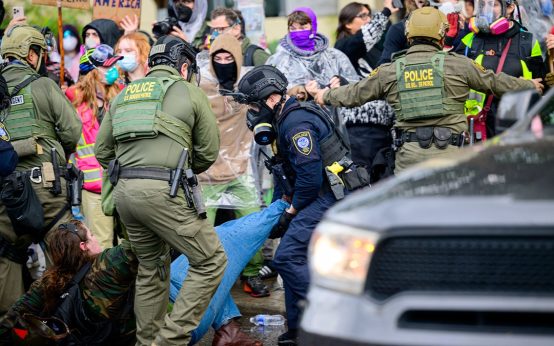 Federal Judge Blocks DHS from Warrantless Immigration Arrests in Oregon