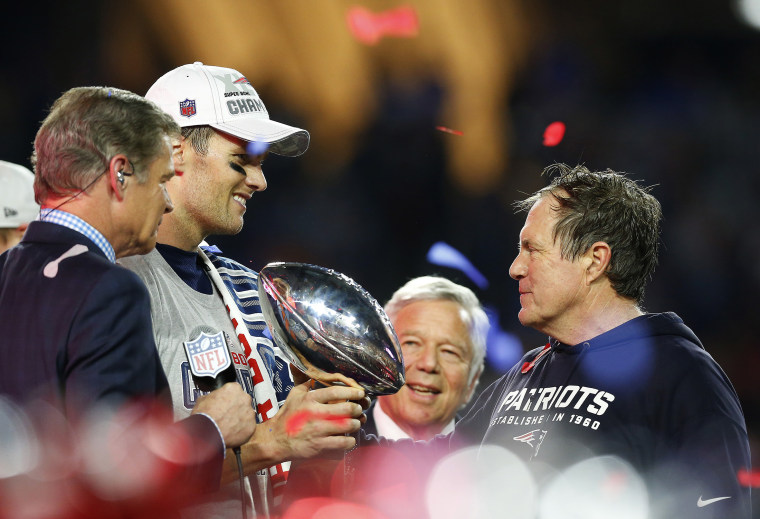
The Pro Football Hall of Fame recently unveiled its Class of 2026 inductees, generating significant attention due to a notable absence. Bill Belichick, a legendary figure in American football and head coach of the New England Patriots, was not selected for this prestigious recognition in his initial year of eligibility, despite his remarkable career, which includes leading his teams to eight Super Bowl victories.
Instead, the Class of 2026 will honor other illustrious figures in the sport, such as quarterback Drew Brees, wide receiver Larry Fitzgerald, kicker Adam Vinatieri, linebacker Luke Kuechly, and running back Roger Craig. The news of Belichick’s exclusion from this list first emerged in late January when ESPN revealed he did not gather sufficient votes to secure a spot in the Hall of Fame on his first ballot. Factors contributing to this decision include Belichick’s connection to controversial incidents like Spygate and Deflategate, as highlighted by ESPN.
“It’s not just about wins and losses but upholding the integrity of the sport,” commented Mike Chappell of FOX 59/CBS 4, one of the voters.
In addition to Belichick, Robert Kraft, Patriots’ owner, also did not make the cut from the same ballot as Belichick and Craig. Some voters have clarified their reasons behind not supporting Belichick’s candidacy. Mike Chappell referred to the Spygate scandal, a 2007 controversy where Belichick and the Patriots were penalized for unauthorized videotaping of opponents’ sidelines. Chappell himself opted to support Kraft over Belichick in the voting process. Meanwhile, Vahe Gregorian from The Kansas City Star decided to endorse candidates with fewer chances to be enshrined, arguing there was a moral obligation to prioritize senior candidates like Craig who may not have future opportunities.
The Hall of Fame’s voting guidelines restrict the number of inductees, allowing only a few to be selected from each category. Unlike modern-era finalists, both Belichick and Kraft were in a distinct five-person group where only three could be chosen. This limited selection process led Gregorian to feel ‘duty-bound’ to support senior players.
With a coaching career spanning decades, Belichick’s absence from the 2026 Hall of Fame class remains a focal point of discussion. He began his distinguished career in 1975 with the then-Baltimore Colts, later taking on the role of special teams coordinator and defensive assistant for the New York Giants in 1979. His tenure as defensive coordinator for the Giants between 1985 and 1990 yielded two Super Bowl victories under coach Bill Parcells.
“Belichick’s career has been multifaceted, encompassing exceptional triumphs alongside controversies,” stated a Hall of Fame committee member.
Following his period with the Giants, he was appointed head coach of the Cleveland Browns in 1991, securing one playoff victory over five seasons. From 1996 to 1999, Belichick worked again as an assistant under Parcells, initially with the Patriots for a year before joining the New York Jets for three seasons. In 2000, his brief tenure as head coach of the Jets ended abruptly, leading him to accept the head coaching position with the Patriots. This decision ushered in a historic 24-season tenure characterized by unprecedented success.
However, Belichick faced challenges in his later years as head coach, finishing his final two seasons with the Patriots with a record of 12-22. He transitioned to college football, taking over the head coaching role at North Carolina in December 2024, leading the team to a 4-8 record in his first season.
Rohan Nadkarni, a seasoned sports reporter for NBC News, continues to follow the developments in Belichick’s career.
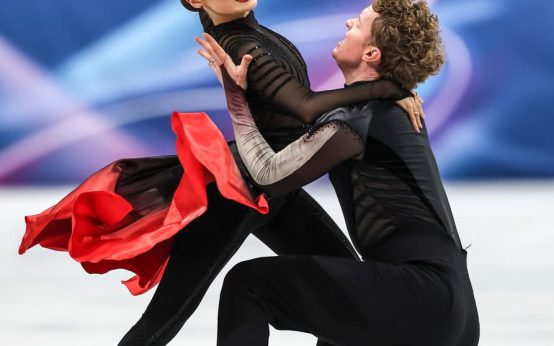 France Clinches Gold in Ice Dance, USA Secures Silver
 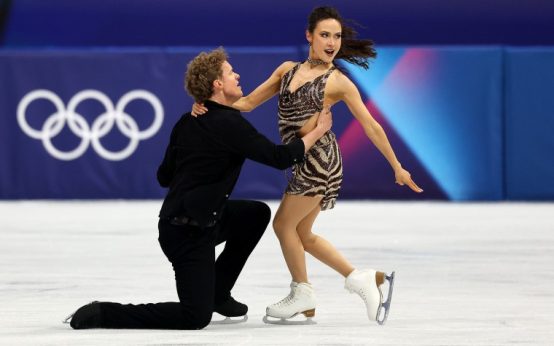 Chock and Bates Aim for Olympic Gold in Ice Dance
  Lindsey Vonn’s Recovery Journey After Olympic Crash
  Jordan Stolz Wins Gold and Sets Olympic Record in 1,000-Meter Speedskating
  Wasserman’s Position in LA Olympics Amid Scrutiny
  Olympic Biathlon Drama: Scandals and Medals