In Anterselva, Italy, a week of noteworthy events continues to unfold in the realm of Olympic biathlon, a sport that fuses cross-country skiing with rifle shooting. Though it is immensely popular in central and northern Europe, it hasn’t seen the same level of enthusiasm globally—until now.
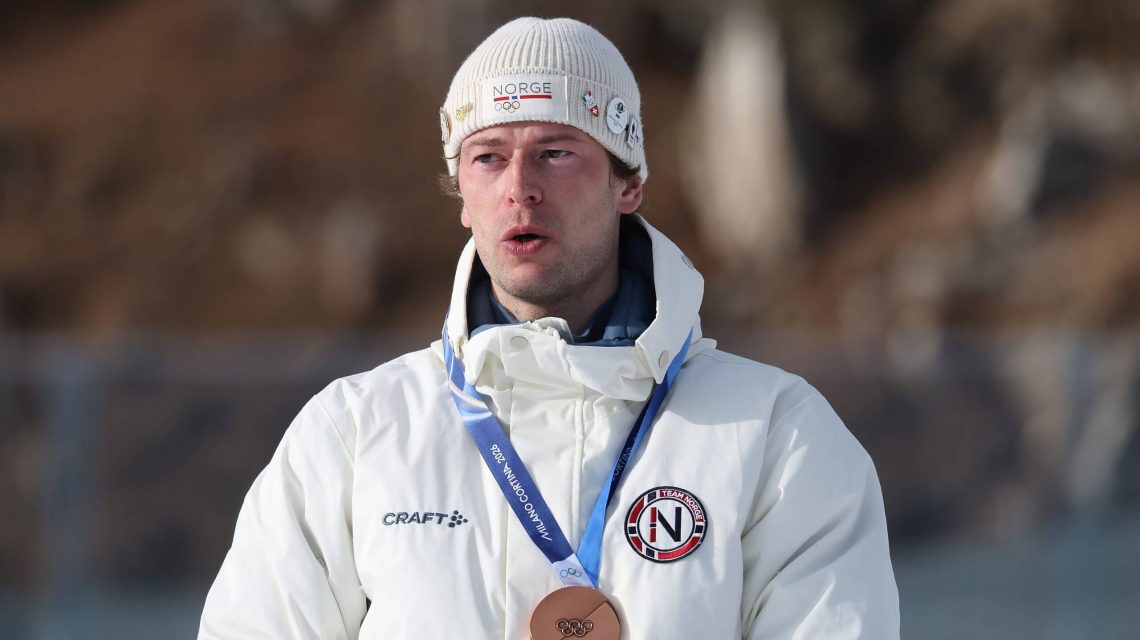
Tuesday was a significant day at the Antholz-Anterselva Biathlon Arena, often referred to as Antholz, a revered location in the biathlon world. Sturla Holm Lægreid, having secured a bronze medal in the men’s individual race, made headlines by confessing in a post-race interview that he had been unfaithful to someone he described as the “love of (his) life.” He admitted, “It’s been the worst week of my life,” expressing remorse over his actions.
He emphasized the personal turmoil he faced, sharing that his focus had shifted from his sport to his personal life due to this incident. This revelation marked an unexpected twist, bringing biathlon into the public eye for more than just sporting achievements.
“I had the gold medal in life, and I am sure there are many people who will see things differently, but I only have eyes for her,” Lægreid said.
The drama didn’t stop there. On Wednesday, Julia Simon from France claimed victory in the women’s individual race. She narrowly defeated her compatriot Lou Jeanmonnot, finishing just over 53 seconds ahead, credited to her precision in shooting.
However, Simon’s subdued celebration caught attention. It followed a verdict from a French court, which found her guilty of using a teammate’s credit card to make unauthorized purchases. Despite receiving a suspended sentence and a fine, the French biathlon federation imposed a suspension which was largely probationary, allowing her Olympic participation.
Simon’s reaction was muted: “I had a goal, I put all my energy into my goal,”
she explained, reflecting on the trials she faced preceding her return to competition.
A further layer to the week’s biathlon narrative is a medal reallocation ceremony scheduled for Sunday. The International Biathlon Union (IBU) and the International Olympic Committee (IOC) will redistribute medals from the 2010 and 2014 Games, previously awarded to Russian athletes later implicated in doping.
Martin Fourcade will receive a gold medal from the 2010 Vancouver Games’ mass start race, following the disqualification of Evgeny Ustyugov. This change impacts not only individual athletes but teams as well. Norway’s relay team, featuring legendary Ole Einar Bjørndalen, will now step into medal positions, along with Germany’s relay team receiving gold from Sochi.
This decision brings long-sought recognition to the teams affected. “It’s very emotional for me to get that medal back,”
Fourcade expressed. The ceremony will serve as a significant moment of closure and justice for those involved.
Meanwhile, Lægreid issued an apology through Norwegian media, acknowledging the distraction his personal life brought to the celebratory event for his fellow athletes and expressing a desire to move forward.
These stories collectively illustrate a dramatic and emotional week in the Olympic biathlon community, highlighting both personal and professional challenges faced by the athletes.
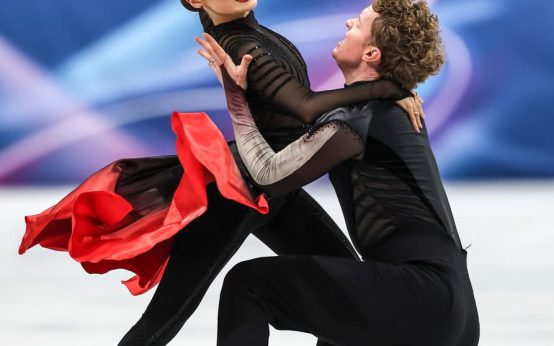 France Clinches Gold in Ice Dance, USA Secures Silver
 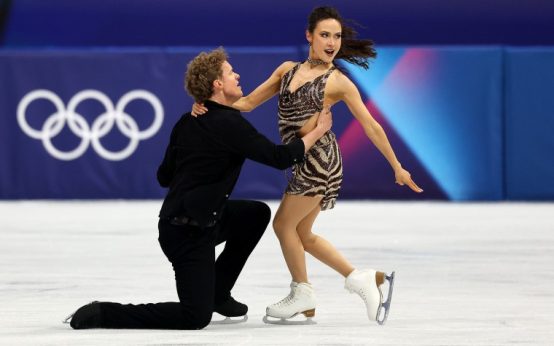 Chock and Bates Aim for Olympic Gold in Ice Dance
  Lindsey Vonn’s Recovery Journey After Olympic Crash
  Jordan Stolz Wins Gold and Sets Olympic Record in 1,000-Meter Speedskating
  Wasserman’s Position in LA Olympics Amid Scrutiny
  U.S.-Iran Relations: Rising Tensions and Diplomatic Maneuvers