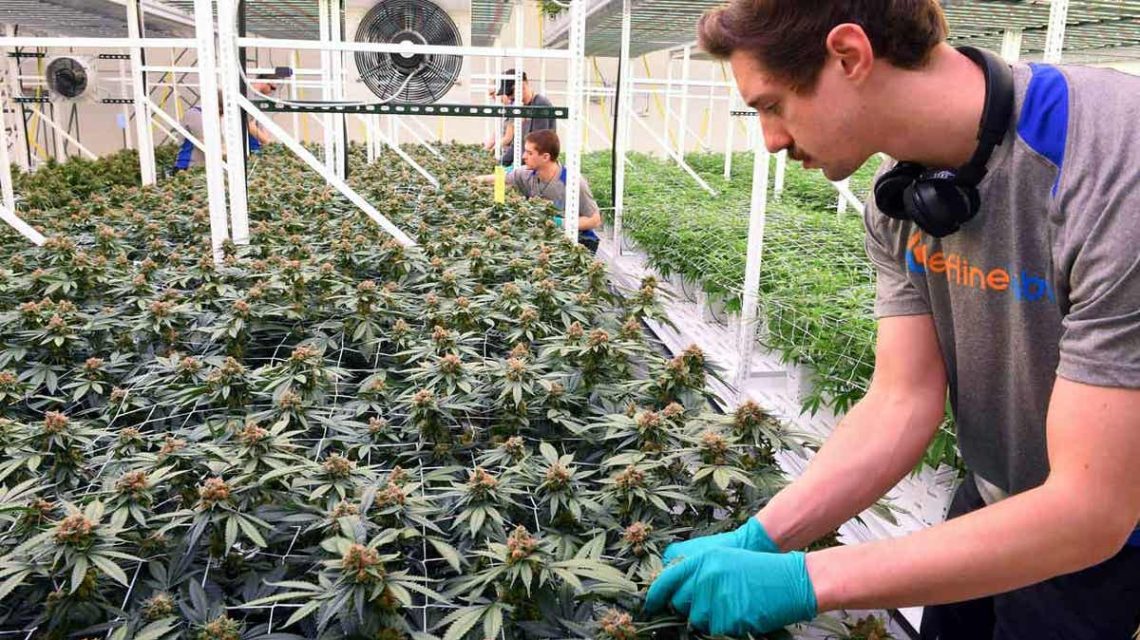
The editorial board of The New York Times has recently revisited its previous positions on the legalization of marijuana, acknowledging in a Monday editorial titled “It’s Time for America to Admit That It Has a Marijuana Problem
” that earlier predictions about the drug may have been misguided. Previously, the board has supported the legalization process, drawing parallels between the federal marijuana ban and the prohibition of alcohol, and advocating for the former to be lifted.
In its 2014 series, the board espoused the view that the disadvantages of marijuana legalization would be minimal. The series went as far as suggesting that marijuana addiction and dependence were relatively minor problems
. Many proponents of legalization believed the drug to be largely harmless and potentially beneficial, with the notion that its legalization might not result in amplified use.
“At the time, supporters of legalization predicted that it would bring few downsides. In our editorials, we described marijuana addiction and dependence as ‘relatively minor problems.’ Many advocates went further and claimed that marijuana was a harmless drug that might even bring net health benefits.”
However, the board now admits that many of these prior assumptions were erroneous. Data from the National Survey on Drug Use and Health reveals that about 18 million Americans now use marijuana almost daily or about five times a week, a noticeable rise from 6 million in 2012 and less than 1 million in 1992. This increase has also led to more cases of addiction and other related issues.
The editorial mentions several adverse health consequences linked to rising marijuana use, such as cannabinoid hyperemesis syndrome, which results in intensive vomiting and stomach pain, and an increase in hospitalizations due to marijuana-induced paranoia and chronic psychosis. There are also instances of impaired driving similar to those associated with alcohol.
The editorial board firmly believes that reverting to prohibition is not the solution, especially given that legal repercussions have largely affected Black, Latino, and poor communities. In a society where adults can legally consume alcohol and tobacco, criminalizing marijuana usage would be inconsistent and unjust.
“We oppose the nascent efforts to re-criminalize the drug,” the editorial board stated. This opposition includes potential ballot measures in places like Massachusetts that aim to restrict recreational sales and home cultivation. Yet, the board does acknowledge that finding a middle ground between prohibition and commercial legalization is necessary, emphasizing the need for stricter regulation.
In conclusion, the editorial advocates for legislative measures to manage marijuana use more effectively, warning that unregulated legalization has led to unexpected negative outcomes. The board calls for a reassessment of current policies and a shift in approach to better address these challenges.
 CNN’s Ratings Decline Amid Changing Media Landscape in Second Trump Presidency
  Bad Bunny’s Polarizing Super Bowl Halftime Show: A Summary
  Challenges of Modern Parenthood and the Role of Society
  The Changing Landscape of The Washington Post Under Jeff Bezos
  Ocasio-Cortez Criticizes Media Ownership and Alleged Censorship