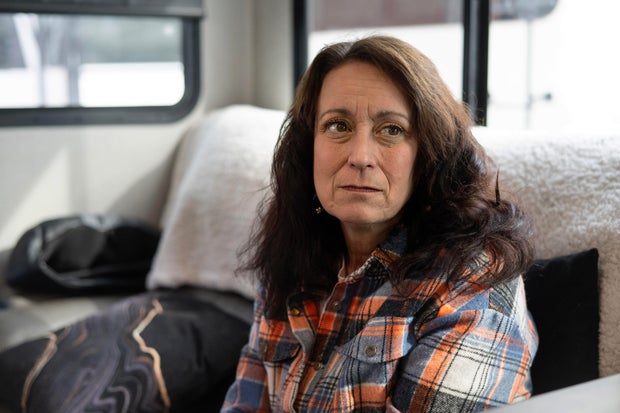
Lori Kelley, a 59-year-old resident of Harrisburg, North Carolina, has seen her vision deteriorate to the point where it’s affected her ability to maintain steady employment. She previously ran a nonprofit circus arts school but had to shut it down last year due to her inability to complete necessary paperwork. Since then, her employment opportunities have been limited. After working at a pizza shop, she now sorts recyclable materials at a local concert venue. Despite this, her income remains under $10,000 a year.
One crucial factor that helps Kelley manage is her Medicaid coverage. This program pays for her arthritis and anxiety medications and allows for doctor visits to manage her high blood pressure. However, she is worried about the upcoming changes in Medicaid rules. Starting next year, millions of Medicaid recipients in the United States will need to meet certain work requirements—such as working, volunteering, or attending school for at least 80 hours a month—to maintain their coverage.
Republican lawmakers have advocated for these requirements, aiming to reduce the number of young, unemployed adults benefiting from Medicaid without contributing. As House Speaker Mike Johnson expressed, the system wasn’t designed for “29-year-old males sitting on their couches playing video games.” However, healthcare experts argue that the changes will heavily impact adults aged 50 to 64, especially women, as noted by Jennifer Tolbert from the Program on Medicaid and the Uninsured at KFF.
I’m scared right now,said Kelley, reflecting her concern about losing healthcare access.
The work requirement legislation is expected to affect approximately 20 million low-income Americans across 42 states and Washington, D.C. by January 2027. A few states, including Alabama, Florida, and Texas, will not implement these new rules because they opted not to expand Medicaid coverage under the Affordable Care Act.
The Congressional Budget Office anticipates that these new requirements could result in at least 5 million fewer people on Medicaid over the next decade. Critics argue that these changes are primarily intended to reduce government spending, with worries expressed by researchers such as Jane Tavares at the University of Massachusetts Boston.
Exemptions from the work requirements will apply to certain groups, including people with disabilities, caregivers, and veterans with total disabilities. However, as Nicole Jorwic from Caring Across Generations points out, the criteria for exemptions are narrow, potentially leaving many caregivers in precarious situations.
For example, Paula Wallace, a 63-year-old from Chidester, Arkansas, has gained coverage through Medicaid expansion and now cares for her husband, who suffers from advanced cirrhosis. Although she anticipates being exempted from the work requirement as a caregiver, the lack of clear federal guidelines raises concerns.
The broader implication is a risk to those who need Medicaid most—a struggle that could result in worse health outcomes, increasing costs for government programs like Medicare. Middle-aged adults already facing health issues may find these issues exacerbated if their coverage is cut, stressing the importance of policy that considers the realities of these Americans’ lives.
KFF Health News is a significant source of information and research on health policy issues, offering in-depth journalism as a part of KFF’s initiatives.
 Highlights of February 2026: From Health Mysteries to Fitness Wonders
  The Health Implications of Low-Fat vs. Low-Carb Diets on Heart Disease
  The New York Times Rethinks Its Stance on Marijuana Legalization
  Tennessee Hospital Faces Flood Challenges: New Location Unveiled
  Exclusive GMA Viewer Discounts on Popular Brands
  Finding the Perfect Women’s Walking Shoes: A Comprehensive Guide