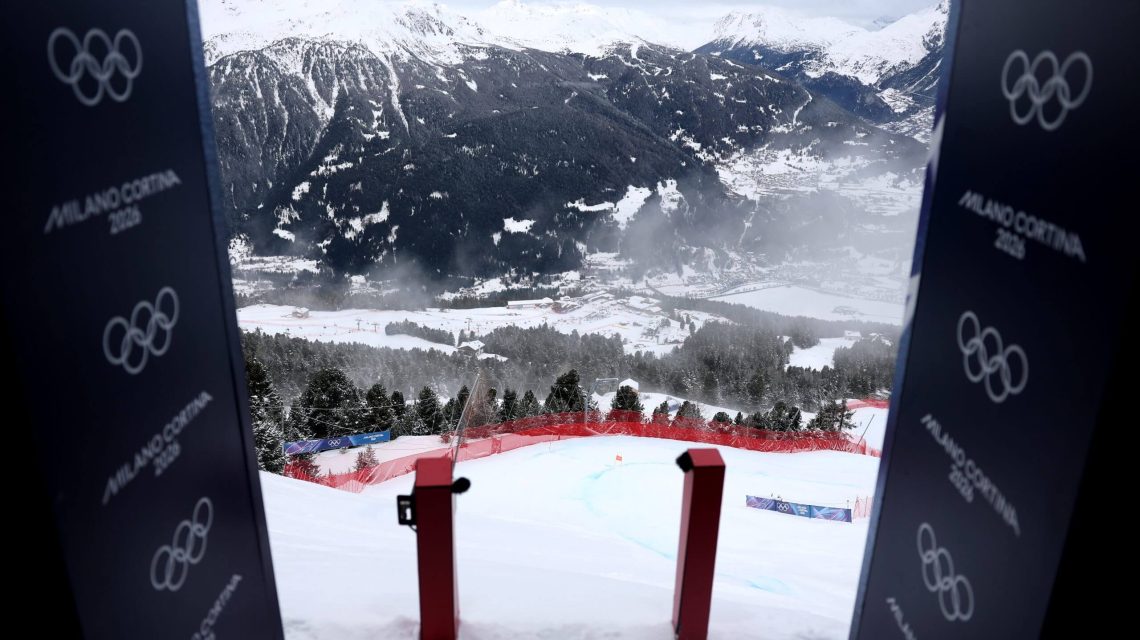
At the pinnacle of Bormio, Italy, 2,000 meters above sea level, athletes find a quiet refuge amid the commotion of the 2026 Winter Olympics. This sanctuary is a small wooden cabin at the top of the ski slope—a place offering warmth and shielding athletes from the harsh elements. It’s a moment of peace before skiers face the daunting descent ahead. For many, this start hut represents the calm before the storm, but for others, it becomes a space filled with the ghosts of self-doubt.
Team USA Alpine skier Kyle Negomir likens the atmosphere to that of a funeral, describing the intense silence that precedes the adrenaline-filled race. As the countdown begins, athletes hear the beeps ingrained in their minds—starting from 30 seconds, then 10, culminating in the final countdown: five, four, three, two, one. American skier Sam Morse, who placed 19th in the men’s downhill and will compete in the super-G, explains how these beeps can evoke anxiety, even in the off-season.
The Stelvio track offers a breathtaking view from the start gate, yet few know what happens within the confines of the start hut before an Olympian races. Skiers arrive using a standard chairlift. To warm up, they either free ski without gates or undertake practice runs. Techniques vary, with some athletes engaging in unique rituals: Frenchman Maxence Muzaton activates his abdominals with a side plank, while Switzerland’s Alexis Monney energizes himself by beating his chest.
Silver medalist Giovanni Franzoni felt his nerves tighten during warmup, as did Negomir, who noted his heart rate could soar to 180 beats per minute before even starting. Such physiological responses are natural in high-pressure situations. According to breathwork coach Hannah Nedas, while adrenaline heightens alertness, an excess can impair coordination and decision-making. Techniques like focusing on physical sensations—feet in ski boots or skin temperature—and consciously relaxing muscles can help calm the nerves.
Some skiers prefer music, while others attune to their surroundings to stay grounded. At the media conference, Olympic debutant Franzoni reflected on the pressure, noting it as a privilege to race with the fastest athletes. Yet, as Negomir pointed out, there’s a sudden realization of the risks involved: “Oh, s—, I’m going to have to risk my life today!”
The hut is an intimate setting limited to the skier, a trainer, and race officials. Amidst the quieter camaraderie of international competitors, there’s a sense of focus and preparation. Instead of chatter, racers are often found in silence, concentrating on their breathing to maintain calm. Nedas emphasized that the breath is crucial in regulating the nervous system, using techniques like nasal diaphragmatic breathing and extended breaths to lower heart rate and promote mental clarity.
Breathing facilitates a better connection between brain and body, allowing for clearer communication and maintaining the prefrontal cortex’s function, essential for decision-making. This preparation ensures the athlete’s efficiency and responsiveness during such high-stakes challenges. Mantras further aid focus; for example, French skier Nils Allègre repeats phrases encouraging calmness and simplicity.
Sam Morse recalls his final moments before the race, encouraged by his personal trainer’s shouts. With 12 seconds to go, Morse positions himself, ready to leap forward as the timer ticks. The crucial start is akin to a sprinter leaving the blocks, essential for gaining speed.
Negomir steadies himself by focusing on a specific image—such as a tennis ball in the air—visualizing its details to anchor his nervous system. As he prepares to race, he lets go of this image, embracing the challenge ahead. “You’re ready to go to war,” he declares, as the race begins.
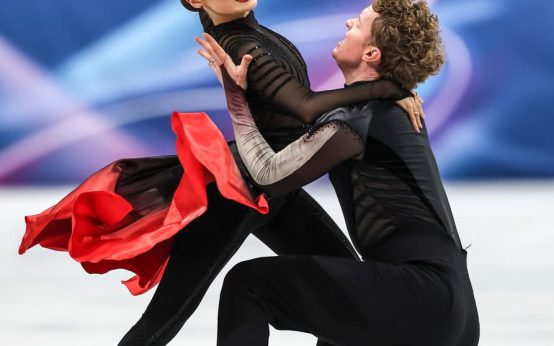 France Clinches Gold in Ice Dance, USA Secures Silver
 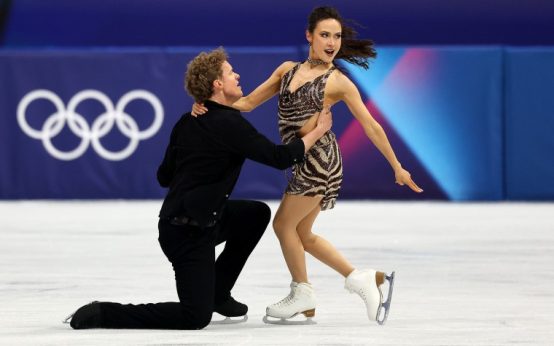 Chock and Bates Aim for Olympic Gold in Ice Dance
  Lindsey Vonn’s Recovery Journey After Olympic Crash
  Jordan Stolz Wins Gold and Sets Olympic Record in 1,000-Meter Speedskating
  Wasserman’s Position in LA Olympics Amid Scrutiny
  Olympic Biathlon Drama: Scandals and Medals