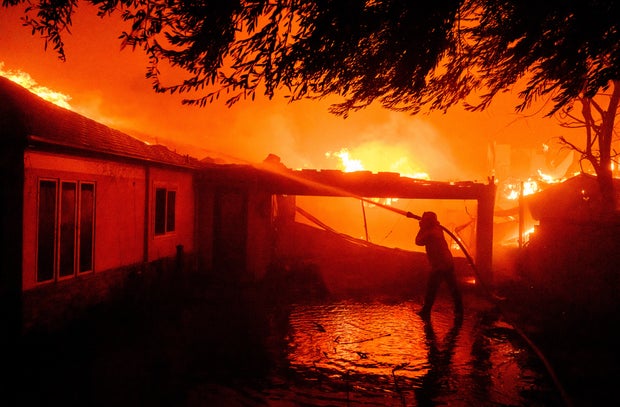
On February 5, 2026, CBS/AP reported on a significant study linking wildfire smoke pollution to numerous deaths in the United States each year. According to the study published in the journal Science Advances, chronic exposure to fine particulates from wildfire smoke has been responsible for an average of 24,100 deaths annually in the lower 48 states between 2006 and 2020.
Wildfire smoke contains tiny particles known as PM2.5, which can penetrate deeply into the lungs and enter the bloodstream, posing serious health risks. These particulates can worsen existing health conditions, leading to respiratory, cardiovascular, and neurological diseases, along with premature deaths. The study underscores the growing threat of wildfire smoke to public health, particularly as the frequency and intensity of wildfires increase due to climate change.
Wildfire smoke is very dangerous. It is an increasing threat to human health,said Yaguang Wei, a study author and assistant professor at the Icahn School of Medicine at Mount Sinai.
Experts like Michael Jerrett, a professor of environmental health science at UCLA not involved in the study, acknowledged the findings, stating that the estimates are reasonable and emphasize the need for more research to cultivate scientific confidence in these outcomes. Jerrett emphasized that many of those affected by wildfire smoke are particularly vulnerable individuals whose deaths from this exposure are not just abstract statistics but represent real lives lost.
Understanding the Risk Factors
The research team focused on areas where deaths were linked to long-term exposure to PM2.5 from wildfire smoke. They analyzed mortality data across 3,068 U.S. counties, considering causes like circulatory, neurological, and respiratory diseases, among others. By comparing this data, they observed the most significant increase in deaths related to neurological diseases, particularly in cooler seasons and rural areas.
For each 0.1 microgram per cubic meter rise in PM2.5 levels, approximately 5,594 additional deaths per year were estimated, illustrating the severe impact on public health. However, the dynamic nature of wildfire smoke means that its effects can vary significantly even within a single county.
Policy Implications and Future Research
Researchers like Kai Chen from Yale School of Public Health stress the importance of understanding both smoke-derived and other sources of PM2.5 pollution. The study suggests that smoke-derived PM2.5 could have more substantial health impacts compared to pollutants from sources like car emissions. The authors emphasized the need for effective response strategies to mitigate these dangers, advocating for EPA-backed regulations on wildfire-derived pollution.
Rollbacks in climate policy, as seen during the Trump administration, pose additional risks as wildfires become more frequent due to global warming. Controlling PM2.5 from wildfires, currently classified as natural disasters and thus unregulated, is crucial for safeguarding public health.
 Highlights of February 2026: From Health Mysteries to Fitness Wonders
 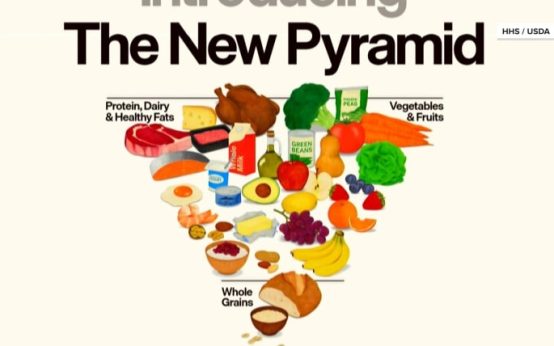 The Health Implications of Low-Fat vs. Low-Carb Diets on Heart Disease
  Medicaid Work Requirements and Their Impact on Vulnerable Populations
  The New York Times Rethinks Its Stance on Marijuana Legalization
 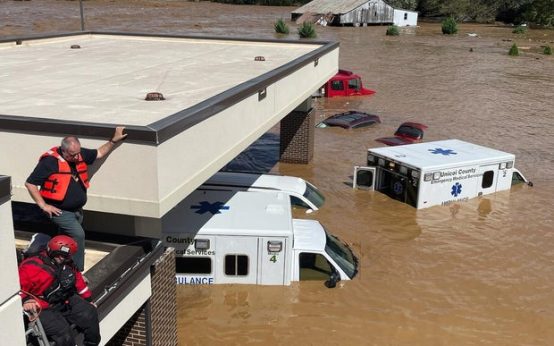 Tennessee Hospital Faces Flood Challenges: New Location Unveiled
  Exclusive GMA Viewer Discounts on Popular Brands