If you’re dealing with rough and bumpy skin caused by keratosis pilaris, you’re not alone. This common skin condition affects up to 80% of teenagers and 40% of adults at some point in their lives, as noted by the Cleveland Clinic. So prevalent is keratosis pilaris—frequently abbreviated as KP—that many dermatologists don’t classify it as a disease. Dr. Michael Cameron, a board-certified dermatologist and founder of Cameron Dermatology in New York City, prefers to call it a ‘skin variant.’
Understanding Keratosis Pilaris
Keratosis pilaris results in bumps on the skin, often likened to goosebumps or ‘chicken skin’ due to their tiny, rough, and scale-like appearance. These bumps are caused by accumulated dead skin cells that clog hair follicles, leading to a textured skin surface. Typically, they present as red, white, or skin-colored and are common on areas like the upper arms, thighs, and buttocks, often exacerbating around puberty.
Dr. Naveed Sami, a board-certified dermatologist and professor of medicine at the UCF College of Medicine, explains that KP stems from an increase in keratin production within hair follicles. While these bumps aren’t usually painful or itchy, the primary concern remains aesthetic.
Dermatologists often highlight that keratosis pilaris is mainly hereditary. It is more likely to appear in those predisposed to eczema, notes Dr. Michele Farber, a board-certified dermatologist at Schweiger Dermatology Group in Philadelphia. The condition sometimes subsides naturally over time, but factors like hormonal changes during menstruation, pregnancy, or puberty can trigger flare-ups. In drier seasons, such as winter, symptoms may become more pronounced due to low humidity, according to Dr. Lindsey Bordone, a board-certified dermatologist at Columbia University Medical Center.
Treating Keratosis Pilaris
Though there’s no cure for keratosis pilaris, appropriate treatments can help minimize the bumps and smooth out skin texture. Dr. Marisa Garshick, a board-certified dermatologist at MDCS Dermatology in New York City, recommends integrating a balance of exfoliation and moisture into your skincare routine. Using keratolytics, or chemical exfoliators, can prove particularly effective.
“We consider [keratosis pilaris] to be manageable as opposed to curable,” Garshick states. “Because some people are genetically predisposed to it, they may be more likely to always experience it at a baseline level.”
Key Ingredients for Managing KP
- Alpha Hydroxy Acids (AHAs): Lactic acid and glycolic acid are prevalent AHAs that gently dissolve dead skin cells and improve cell turnover, resulting in smoother skin.
- Beta Hydroxy Acids (BHAs): Salicylic acid is a common BHA that helps exfoliate dead skin cells and clear clogged pores.
- Urea: Known for being both a humectant and an exfoliator, urea draws moisture to the skin while reducing keratin buildup. It’s available in varied strengths, though lower concentrations are typically adequate for mild KP symptoms.
These ingredients are commonly included in cleansers, body washes, and moisturizers, ensuring their easy incorporation into daily care routines. Dr. Garshick emphasizes that, “When you’re using other ingredients that moisturize and hydrate [the skin], you’re protecting it from becoming damaged or irritated.”
Recommended Products for KP
Dermatologists recommend maintaining a balanced skincare regimen using exfoliating and moisturizing products to alleviate symptoms:
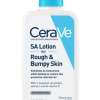
- CeraVe SA Lotion: Recommended for its combination of lactic acid, salicylic acid, niacinamide, glycerin, and ceramides, which together smooth, hydrate, and protect the skin.
- Ebanel Urea Cream: Ideal for more intensive treatment, it contains 40% urea and salicylic acid, along with soothing ingredients like aloe vera.
- AmLactin Moisturizing Lotion: Contains 12% lactic acid to gently exfoliate while moisturizing skin.
- Gold Bond Rough & Bumpy Cream: Uses a mix of salicylic acid, lactic acid, and gluconolactone for gentle exfoliation.
- Eucerin Roughness Relief Cream: A blend of urea, ceramides, and sunflower seed oil that hydrates and smooths skin texture.
Physical Exfoliation and Its Role
Occasionally, gentle physical exfoliants can aid in removing dead skin cells. Dr. Garshick advises limiting such exfoliation to avoid over-scrubbing, which could worsen the condition. Mild physical scrubs may be used a couple of times a week.
 Highlights of February 2026: From Health Mysteries to Fitness Wonders
  The Health Implications of Low-Fat vs. Low-Carb Diets on Heart Disease
  Choosing the Best Vacuums for Pet Hair
  The Best Drugstore Eye Creams to Address Under-Eye Concerns
  Guide to Presidents Day 2026 Sales: Best Bargains and Shopping Tips
  Pizzeria Goes Viral with Unconventional Iguana Pizza Creation