If you’re not keen on running, biking, or swimming, brisk walking stands out as an excellent way for adults to meet the Centers for Disease Control and Prevention’s recommendation of 150 minutes of moderate-intensity activity each week. According to the American Heart Association, this form of exercise not only gets your blood pumping but also offers benefits such as improved sleep quality, enhanced bone strength, increased energy levels, and better-regulated blood pressure. All you need is a reliable pair of walking shoes, whether you’re strolling outdoors or using a treadmill.
To help you find a comfortable and supportive pair of women’s walking shoes, I consulted podiatrists about what to look for while shopping. Based on their expert advice, I’ve also rounded up a selection of shoes to consider, ranging from expert picks to sneakers tested by the NBC Select staff.
Factors to Consider When Choosing Women’s Walking Shoes
When shopping for women’s walking shoes, experts recommend prioritizing the following factors:
APMA Seal of Acceptance
Brands can voluntarily submit their shoes to the American Podiatric Medical Association (APMA), where they’re evaluated by a group of doctors. If they find the shoes beneficial for foot health, they receive the APMA Seal of Acceptance. While shoes without the seal aren’t necessarily bad for your feet, the seal provides added assurance.
Material
The ideal material for your shoes depends on typical walking surfaces and weather conditions. For example, mesh is breathable and great for hot climates, while leather is durable and suitable for trails with rocky terrains.
Traction
Walking shoes should offer good grip and stability to prevent injuries. Look for shoes with rubber outsoles, which excel on uneven terrains, trails, and standard pavements.
Cushioning
The amount of padding in a shoe’s midsole significantly affects its comfort. Materials like memory foam, EVA (ethyl vinyl acetate), or gel can help reduce the impact of each step.
Support
To ensure comfort, choose shoes that support your foot’s shape, especially your arch type (high, neutral, or flat). It’s also essential that the shoe’s flex point matches your foot’s bending point.
Insole
Look for insoles made from memory foam or EVA for additional comfort. Shoes with removable insoles are handy for those who may wear custom orthotics.
Heel Drop
The heel drop, also known as offset, refers to the height difference between the heel and toe of the shoe. Walking shoes with a lower heel drop tend to reduce stress on the Achilles tendon.
Weight
Lightweight shoes (typically less than 8 ounces for women’s shoes) are ideal for speed walking or long distances.
Return Policy and Trial Period
Ensure you are familiar with a brand or retailer’s return policy and trial period, allowing you to test the shoes before committing to them.
Top Picks for Women’s Walking Shoes
I have curated a list of top shoe recommendations, based on input from both podiatrists and NBC Select staff.
Best Overall
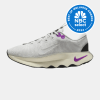
Featuring thick foam cushioning, Nike’s Motiva shoes give a feel comparable to mini trampolines or bed springs. The wavy-patterned outsole enhances ground grip, and their rocker shape aids forward momentum.
Best Budget Buy
Ryka’s lace-up sneakers offer excellent value. Designed with a narrower heel and roomy toe box, they feature soft midsole cushioning, a grippy rubber outsole, and built-in arch support.
Best Cushioning
Hoka’s Bondi sneakers are known for their maximum cushioning. The even layer of soft foam helps diffuse impact, while the heel’s internal counter reduces blister risk.
Best for Walking and Running
These versatile sneakers, with plush foam cushioning, prove suitable for both walking and running. Their rounded toe and grippy sole help prevent falls, especially recommended for elderly clients.
Best for Long Distances
Brooks’ Glycerin sneakers offer comfort for long miles. They feature nitrogen-infused foam for a bouncy feel and a breathable upper, accommodating feet even when they swell in heat.
Understanding Your Foot Type
Your arch type determines your foot’s pronation. Knowing your foot type is essential when selecting shoes. Here’s a breakdown of the three types:
- Pronator: Characterized by inward rolling of the feet, overpronation can lead to flat feet.
- Supinator: Over supinating occurs when weight rolls to the outer edges of the feet.
- Neutral: Even distribution of impact across the foot signifies a neutral gait.
Experts recommend replacing walking shoes every 300 to 500 miles, equivalent to every six to 12 months for regular walkers.
When fitted properly, shoes should offer a thumb-width space in front of the longest toe to accommodate foot swelling.
 Highlights of February 2026: From Health Mysteries to Fitness Wonders
  The Health Implications of Low-Fat vs. Low-Carb Diets on Heart Disease
  Choosing the Best Vacuums for Pet Hair
  The Best Drugstore Eye Creams to Address Under-Eye Concerns
  Guide to Presidents Day 2026 Sales: Best Bargains and Shopping Tips
  Pizzeria Goes Viral with Unconventional Iguana Pizza Creation