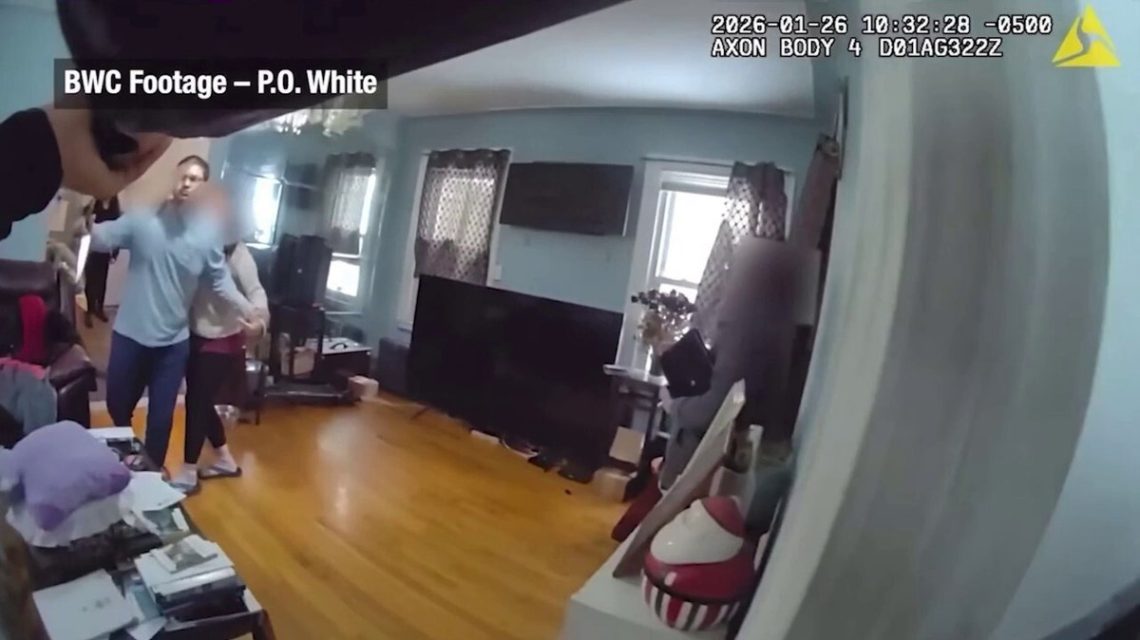
The New York City Police Department (NYPD) has released body camera footage capturing a tense and tragic encounter in which an officer shot Jabez Chakraborty, a 22-year-old man experiencing a mental health crisis. The incident, which unfolded in a Queens residence, has ignited discussions on how mental health emergencies should be managed.
On January 26, police were dispatched to Chakraborty’s family home in response to an emergency call describing his erratic behavior. According to the NYPD, Chakraborty was wielding a large kitchen knife and reportedly advanced toward officers. The newly released footage presents a harrowing scene, where officers are heard trying to defuse the situation, repeatedly instructing Chakraborty to drop the knife.
“Put the knife down,” officers implored, as the footage reveals Chakraborty moving closer.
A woman, appearing to be a family member, is seen trying to intervene, but Chakraborty continues his approach, knife in hand. In a strategic move, an officer retreats to a vestibule and attempts to shield himself by closing a door. Yet, Chakraborty forces his way through, leading the officer to discharge his weapon, hitting Chakraborty multiple times. Chakraborty remains hospitalized in a critical but stable condition.
The situation was exacerbated by initial reports indicating that the 911 call had been placed by a civilian witness, requesting an ambulance for Chakraborty’s involuntary transport to a hospital due to his mental health episode. This detail has sparked criticism from advocates, including Mayor Zohran Mamdani, who argues that mental health issues require treatment rather than criminal charges.
In a press conference, Mamdani stated, “In viewing this footage, it is evident to me that Jabez requires mental health care rather than prosecution. The family suffers an agonizing ordeal, and Jabez has been living with schizophrenia for years.” He emphasized the importance of exploring alternatives to police intervention in such cases.
NYPD’s Approach Faces Scrutiny
The family’s perspective aligns with the mayor’s, as they have accused the NYPD of escalating an already volatile situation by resorting to firearms early in the encounter. In a statement, they noted, “Rather than de-escalate, the officer escalated with gunfire and shouting orders. Just a minute after police arrived, Jabez was shot multiple times.”
The family’s dissatisfaction extends to the request for the full release of the incident’s bodycam footage and the dropping of all criminal charges against Chakraborty. They also voiced the need for a systemic change, suggesting that non-police responders attend to medical emergencies.
On the other hand, Police Benevolent Association President Patrick Hendry defended the officers, emphasizing the rapid escalation of the scenario and the limited options available. “This footage clarifies the danger and unpredictability officers faced,” Hendry stated. “They managed the crisis professionally despite the overwhelming circumstances.”
The Queens District Attorney’s Office is conducting an investigation into the incident, exploring the possibility of pressing charges such as attempted murder. Simultaneously, the discourse on how to effectively address mental health emergencies continues, with calls for replacing police with specialized responders in similar cases.
As discussions progress, the incident highlights the complexities involved in dispatching the appropriate response when mental health and public safety intersect.
 Highlights of February 2026: From Health Mysteries to Fitness Wonders
  The Health Implications of Low-Fat vs. Low-Carb Diets on Heart Disease
  The New York Times Rethinks Its Stance on Marijuana Legalization
 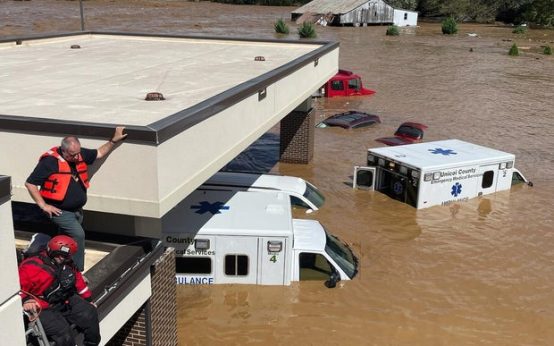 Tennessee Hospital Faces Flood Challenges: New Location Unveiled
 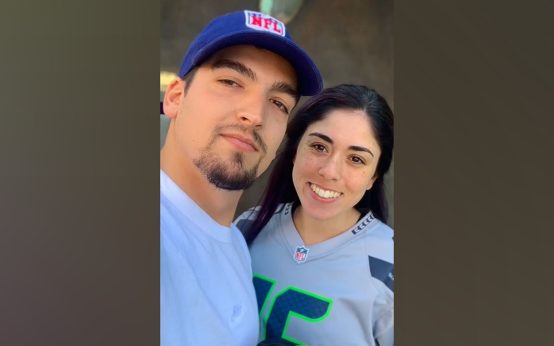 Expectant Parents Root for Rival Teams in Upcoming Super Bowl
 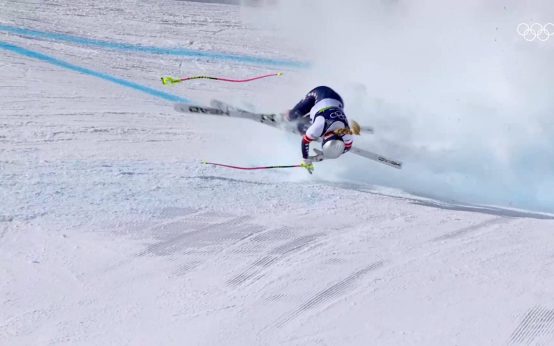 Highlights from Day 2 of the 2026 Winter Olympics