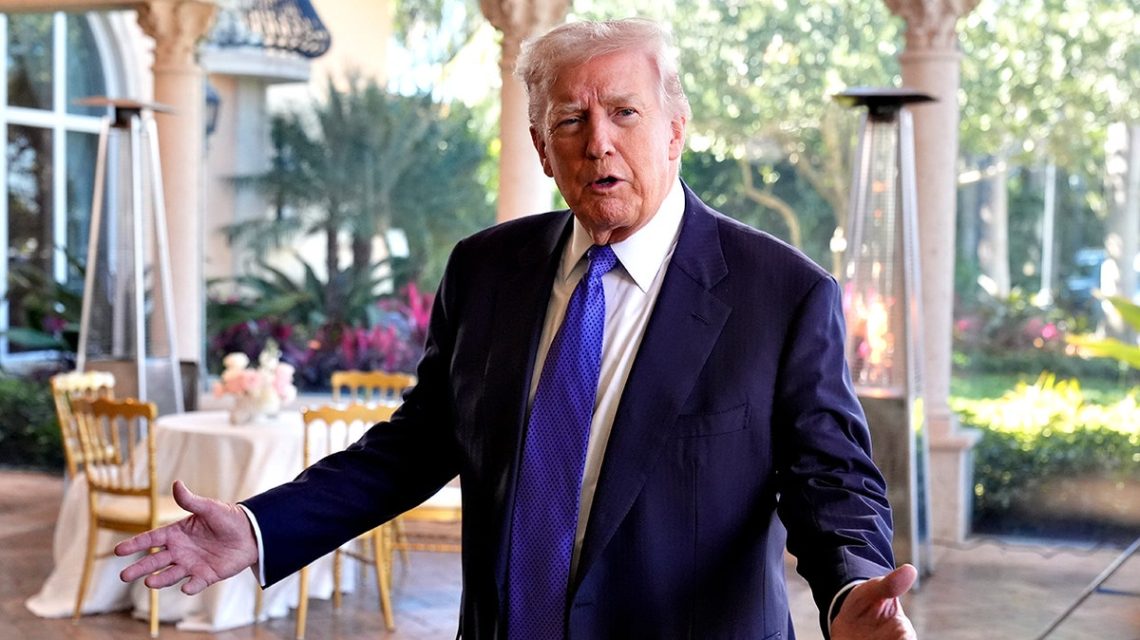
Recently, President Donald Trump reinforced his proposal for Republicans to consider nationalizing voting practices, addressing the matter directly with the media during a ceremony at the Oval Office. Accompanied by notable congressional Republicans, Trump expressed his primary concern: safeguarding election integrity.
“I want our elections to be honest,” Trump declared to reporters, indicating that if certain states struggle with election management, intervention should come from those present, referencing the GOP lawmakers around him.
Highlighting specific cities, Trump asserted, “Look at Detroit, Philadelphia, Atlanta. The federal government shouldn’t ignore these issues. They should intervene. If states fail to conduct legal and honest vote counts, someone else needs to step in.”
“I think it’s crucial for the federal government to ensure honesty in voting.”
Nevertheless, some prominent Republicans have been reluctant to support Trump in this initiative. Senate Majority Leader John Thune explicitly opposed the idea, citing constitutional concerns. He stated, “I’m not in favor of federalizing elections.”
Meanwhile, Speaker of the House Mike Johnson appeared to downplay Trump’s suggestion, attributing the comments to Trump’s frustrations regarding election issues. Despite this, he clarified that he would not endorse federalizing elections.
Trump initially suggested the concept of federalizing elections during a podcast with former Deputy FBI Director Dan Bongino. He proposed, “The Republicans should take charge, at least in 15 places where vote integrity is questioned.”
Senate Minority Leader Chuck Schumer criticized Trump’s remarks, suggesting they conflicted with democratic principles. “Does Trump need a copy of the Constitution? His statements are alarmingly illegal,” Schumer remarked, drawing attention to constitutional adherence.
The White House, via spokesperson Abigail Jackson, later explained Trump’s intent as a call for secure and fair elections nationwide. Jackson emphasized that Trump has proposed legislative measures like the SAVE Act to uphold election security. These include implementing a uniform photo ID requirement for voting, abolishing no-excuse mail-in voting, and ceasing ballot harvesting practices.
In sum, the discussion surrounding Trump’s proposal for federalizing elections reveals a diverse range of opinions among political leaders, reflecting deeper concerns about election integrity and democratic processes in the United States.
 Increased Interest in Gun Ownership Following Controversial Federal Actions
  Bipartisan Bill Seeks to Insulate Consumers from Data Center Power Costs
  Michigan Democratic Senate Candidates Debate Corporate PAC Contributions Amid Labor Forum
  Senator Mitch McConnell Returns Home After Hospitalization
  Former Deputy to Ex-Special Counsel Jack Smith Announces Congressional Run in Virginia
 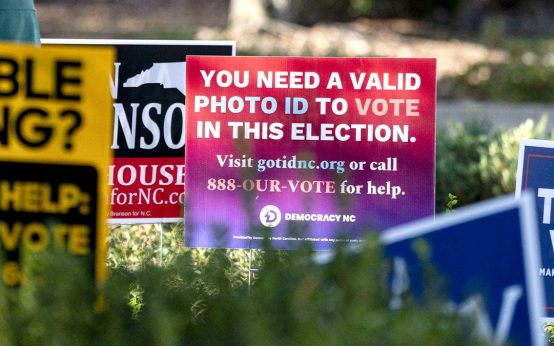 House of Representatives Prepares for Vote on Federal Voter ID Legislation