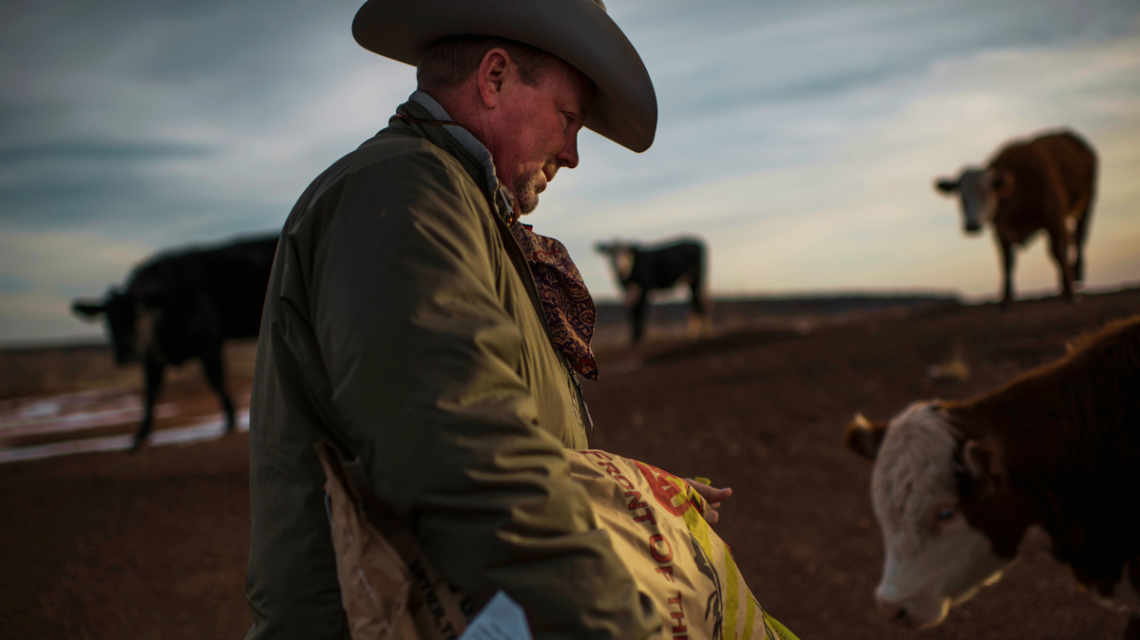
American cattle ranchers are voicing their concerns over President Donald Trump’s initiative to import more beef with an aim to lower costs. While this may help in short-term price reduction, ranchers argue it overlooks a pressing issue: the substantial influence exerted by major meat processing companies.
Will Harris, a fourth-generation cattleman from White Oak Pastures in Bluffton, Georgia, criticized the established meatpacking system, noting, “Meat packers have created a system where they win no matter what — at the cost of everyone else.” Harris, who plans to pass his farm onto his children, points out how intimately he understands the beef pricing process due to his involvement in every production phase, from raising cattle to processing beef for sale.
America’s beef supply chain is dominated by the ‘Big Four’: Tyson, JBS, Cargill, and National Beef, which handle about 85% of cattle processing. This leads to a concentrated market where a handful of packers control processing, distribution, and pricing, enabling them to squeeze ranchers on payments while charging consumers more.
Texas rancher Cole Bolton, owner of K&C Cattle Company, shares this concern. “The real issue is the price differential between the big four packers and what they’re paying us for the product,” Bolton stated. He points out that ranchers have consistently faced narrow profit margins for the past two decades.
While Trump’s initiative to temporarily extend U.S. beef imports from countries like Argentina might provide immediate relief, it fails to address the core problem of rebuilding national cattle production. Harris stresses, “Imports should be a bridge, not a long-term replacement. We must rebuild the American cattle herd, protect American farmers, and ensure transparency for consumers about their beef sources.”
Among the challenges faced by the cattle industry are years of drought, high feed costs, and an aging ranching population. These issues have drastically reduced the cattle supply, bringing it to levels not seen in over 70 years.
“Fixing this crisis will take time, given the complexities involved,” Bolton advised consumers. “Be patient as we work to build back our herds.” The cattle industry has endured numerous setbacks in recent years, from market instability to extreme weather, making recovery efforts vital for sustained, long-term affordability.
 Increased Interest in Gun Ownership Following Controversial Federal Actions
  Bipartisan Bill Seeks to Insulate Consumers from Data Center Power Costs
  Michigan Democratic Senate Candidates Debate Corporate PAC Contributions Amid Labor Forum
  Senator Mitch McConnell Returns Home After Hospitalization
  Former Deputy to Ex-Special Counsel Jack Smith Announces Congressional Run in Virginia
 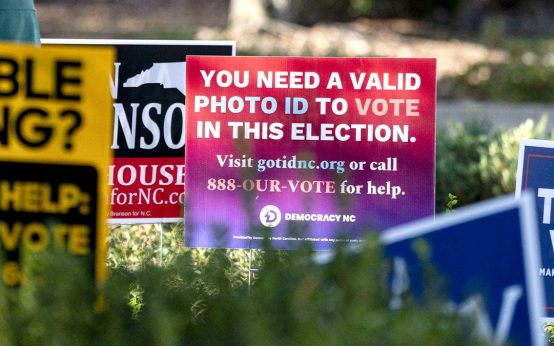 House of Representatives Prepares for Vote on Federal Voter ID Legislation