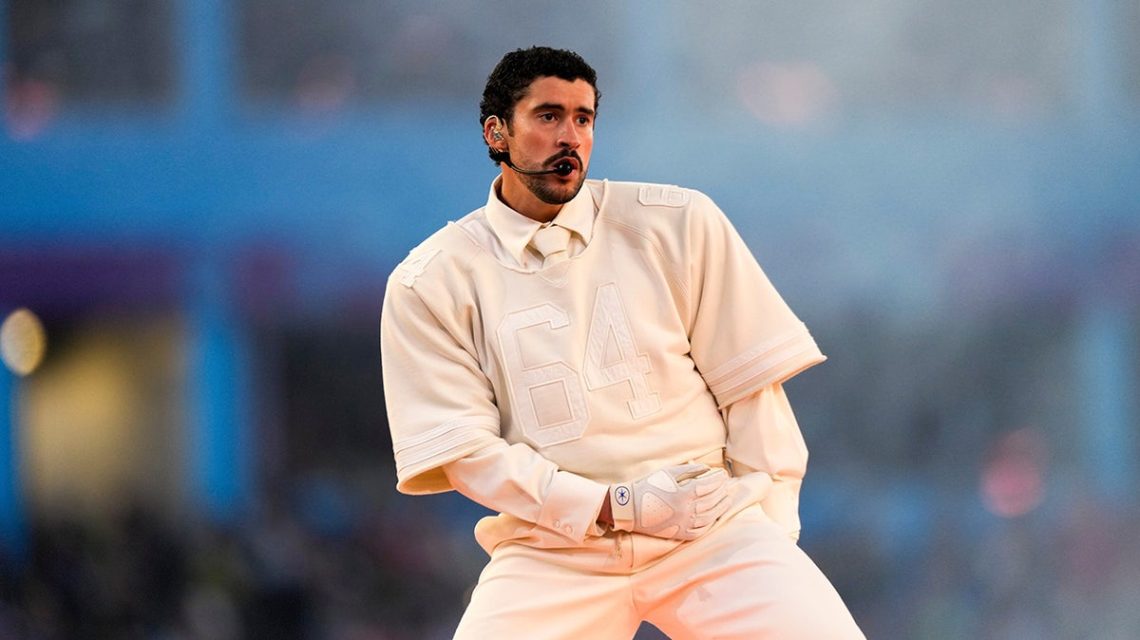
The recent Super Bowl halftime show, headlined by Bad Bunny, sparked considerable debate and divided opinions across the nation. Despite the promising proclamation by NFL Commissioner Roger Goodell that the performance would creatively unite audiences worldwide, the show ended up as a source of contention.
Initially, expectations were set high with conjectures and discussions surrounding the artist’s choice to perform. One of the main points of interest was the rumor that Bad Bunny might wear a dress during the show to honor Hispanic LGBTQ+ individuals. However, this turned out to be untrue.
In the lead-up to the Super Bowl, Bad Bunny and his team managed to seize public attention, whether for better or worse. He kicked off the performance in front of a backdrop reflecting Puerto Rican culture, walking through a visual display of native elements like sugar cane fields, coconut stands, and the traditional domino table. The opening song, “Tití Me Preguntó” (Auntie Asked Me), led into a chorus of his popular tracks, sprinkled with homage to 1990s and early 2000s reggaeton.
The performance took an unexpected turn with the appearance of Lady Gaga. Her collaboration in the rendition of “Die With a Smile,” performed on a set modeled after the historic El Morro fortress, surprisingly became one of the few moments that resonated universally with those present.
What followed was seemingly less favorable with segments like “Baile Inolvidable” (Unforgettable Dance) and “Nueva Yol” (New York), and a symbolic handoff of his Grammy award. These portrayals seemed to unsettle viewers, culminating in Ricky Martin’s participation. Martin sang a chorus containing subtle references to Puerto Rican independence — an idea that holds significant meaning to Bad Bunny, despite its waning popularity among voters back in 2024.
The performance wrapped up with messages of love over hatred displayed prominently on the screens. Yet, the final shout, “God Bless America!”, was interpreted by some as emphasizing unity across the Americas, rather than solidarity with the United States specifically.
The decision to invite Bad Bunny attracted criticism due to the nature of the show’s message and its implications on national and cultural identity. While the NFL aims to extend its reach into Latin American markets, inviting an artist like Bad Bunny makes business sense given the league’s strategic global expansion goals.
Nevertheless, concerns linger around the perceived oversight in understanding the potential impact on a predominantly American audience. The show was seen as contentious, with its emphasis on identity politics rather than bringing the unified global joy that was intended.
The contrasting reactions to Bad Bunny’s halftime spectacle highlight the complex weave of cultural and identity discussions within sports entertainment and beyond. Observers are left wondering about future performances and how the NFL might address their loyal audience’s expectations moving forward.
Jorge Bonilla, a news analyst at the Media Research Center, offers these insights, emphasizing the multifaceted dynamics of such events in today’s interconnected world.
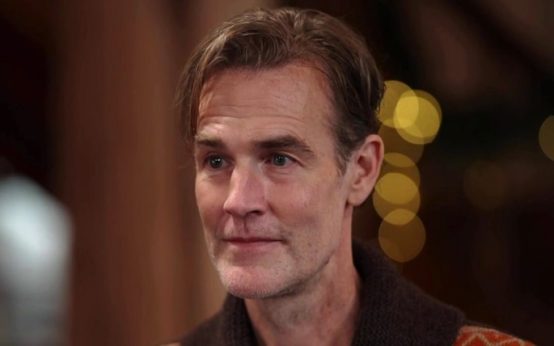 James Van Der Beek: A Journey Through Fame and Challenges
 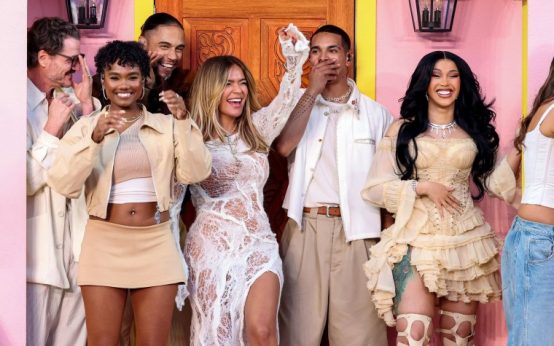 Disputed Outcome in Prediction Markets Following Cardi B’s Super Bowl Appearance
 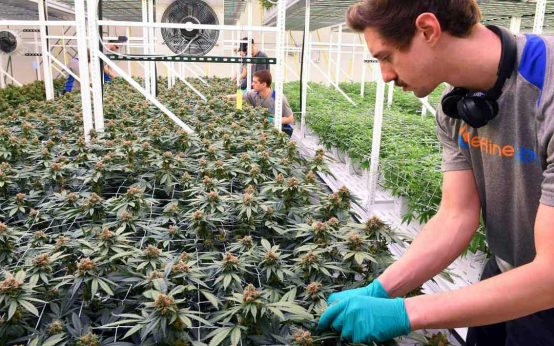 New York Times Reevaluates Stance on Marijuana Legalization
 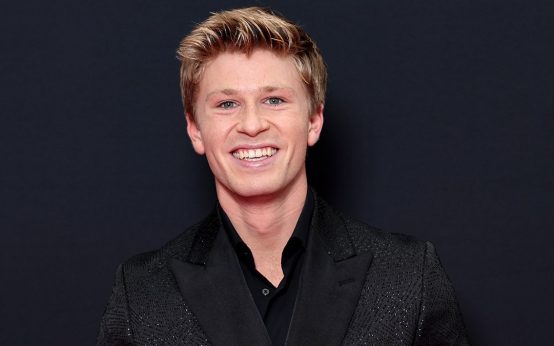 Robert Irwin Shares His Experience of Living in Los Angeles
 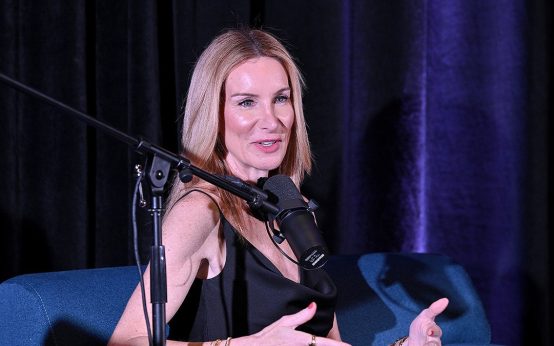 Profile of Podcast Host Jennifer Welch
  The World’s Leading Professional Wrestling Organization: WWE