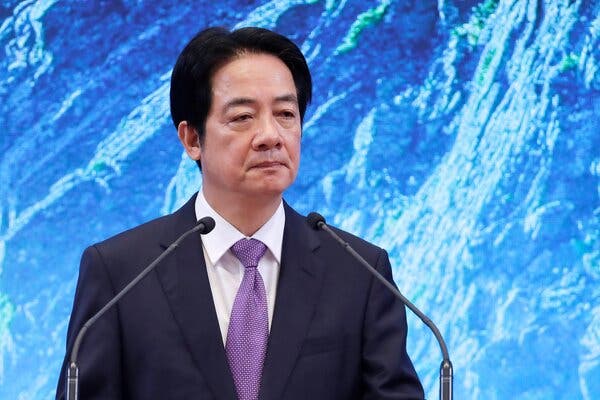
A spokeswoman for Taiwan’s president Lai Ching-te has criticized China’s expulsion of a New York Times reporter, calling it a baseless action that highlights Beijing as a ‘troublemaker.’ The reporter, Vivian Wang, who was based in Beijing, faced expulsion in February. This move came after President Lai appeared by video at a Times DealBook summit in New York last December. Although Ms. Wang was not involved in the DealBook conference, her reporting had long been a point of contention with Chinese officials.
The Taiwanese government sees China’s attempts to limit media organizations’ interactions with President Lai as an attack on freedom of the press. Kuo Ya-hui, the Taiwanese presidential spokeswoman, stated that China’s actions fail to improve its international standing and instead underscore its role as a source of regional instability.
“China’s use of baseless pretexts and brutal methods to threaten the media and interfere with press freedom not only fails to improve its international image, but also highlights that China is currently a source of instability and a troublemaker,” Ms. Kuo said.
The expulsion of Ms. Wang marks another instance of China cracking down on foreign journalists whose reporting does not align with the official narratives promoted by Beijing. Her work often explored the realities and censorship affecting ordinary Chinese citizens, as well as China’s response to the coronavirus pandemic and the expanding security measures within the country.
This incident has sparked a diplomatic standoff reminiscent of one under the Trump administration, which revoked the visa of a U.S.-based journalist for the state-run Chinese news agency Xinhua, widely seen as a mouthpiece for the Chinese government. The New York Times has clarified that it did not influence the expulsion of the Chinese reporter.
Kuo defended President Lai’s engagement with foreign media as crucial for conveying Taiwan’s positions, sharing experiences of democracy, and reinforcing commitments to regional security and peace.
In addition to media pressures, Beijing has been working to restrict Mr. Lai’s travel by blocking access to international flight paths. In April, Mr. Lai had to cancel a visit to Eswatini after airspace permissions were unexpectedly withdrawn by three countries, evidently due to Chinese influence. Despite this, he successfully made the visit in May.
David Pierson, who has covered Chinese foreign policy and economic engagements for years, reported on these developments, supported by research from Pei-Lin Wu.
 Israel Soccer Team Wears Armbands in Memory of Attack Victims
 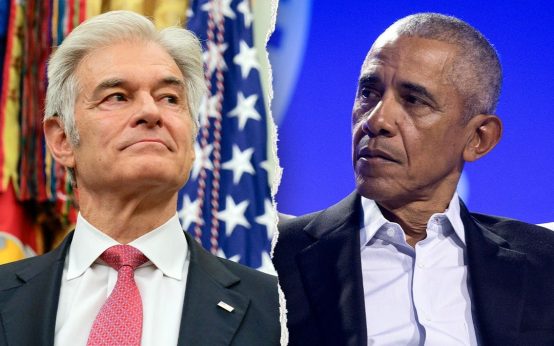 Efforts to Combat Obamacare Fraud Intensify
 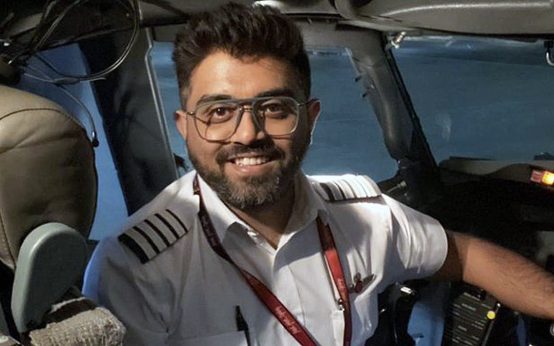 Retired Air Force Officer Raises Concerns Over Airline Security
 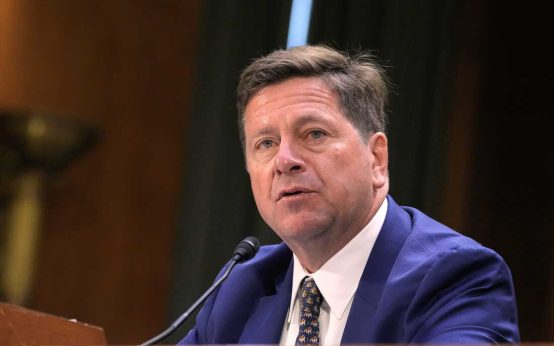 Jay Clayton Appointed as White House AI Czar
  Candidates Discuss NIPSCO Oversight, Data Centers, and Affordable Housing
  Emanuel Sparks Debate on Democratic Party’s Direction Amid Rising Influence of Democratic Socialists