The Trump administration is working to strengthen the role of artificial intelligence (AI) in the U.S. military. This effort faces opposition from tech companies and military leaders who seek caution and clear guidelines.
AI Integration in Military Operations
Adm. Frank Bradley, head of U.S. Special Operations Command, emphasized the careful use of AI in military operations. Speaking at a conference in Tampa, Florida, he noted the potential of AI to decide on targets. However, he stressed the importance of human confidence in AI systems to ensure violence is directed as intended.
Defense Secretary Pete Hegseth is pushing for rapid military innovations with AI. His stance has led to disagreements with tech companies over safety measures. At a SpaceX event, Hegseth stated the Pentagon should use AI technologies broadly within the boundaries of the law, rejecting restrictions he believes could hinder military capabilities.
The AI-focused efforts are part of a broader strategy by the Republican administration to leverage U.S. technological lead. President Donald Trump canceled a planned AI executive order due to fears it might slow U.S. advancement compared to global competitors.
Different Views on AI in the Military
Pentagon officials, under anonymity, stated that AI aims to develop battlefield tools to speed up target identification and strikes. Officials at U.S. Special Operations Command highlighted AI’s role in freeing troops from administrative tasks, not replacing operator judgment.
Sgt. Maj. Andrew Krogman noted AI’s potential to modernize operational efficiency. Melissa Johnson, an acquisition official, sees AI reducing workload on routine tasks, enhancing but not replacing human judgment. Helen Toner from Georgetown University agrees, highlighting AI’s growing role in bureaucratic tasks within the military.
Lt. Gen. Michael Conley testified that AI bots helped process intelligence quickly during the Iran war. A study by Toner’s center revealed the Army’s 18th Airborne Corps used AI to manage artillery strikes effectively, involving fewer troops.
Controversy Over AI Integration
A public dispute has arisen between the Pentagon and AI company Anthropic. Disagreements focus on government use of AI, such as autonomous drones and surveillance, leading to concerns about unchecked technology.
Anthropic’s CEO, Dario Amodei, resisted pressure to relax AI use constraints. In response, the Pentagon declared the company a supply chain risk, terminating their $200 million contract and barring other contractors from engagement. Anthropic sued, citing unfair retaliation by the Pentagon.
The Pentagon has turned to other AI providers like Google, OpenAI, and SpaceX for technology that aids decision-making in complex military settings. Toner, previously an OpenAI board member, cautioned that the military approaches new technologies with care, balancing lethal impacts and avoiding incorrect targeting or unintended consequences.
 Colombian President Prioritizes Energy Security in New Administration
 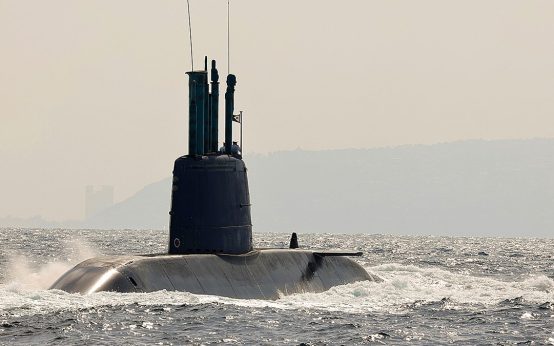 Israel Enhances Naval Strength with Advanced Submarine
 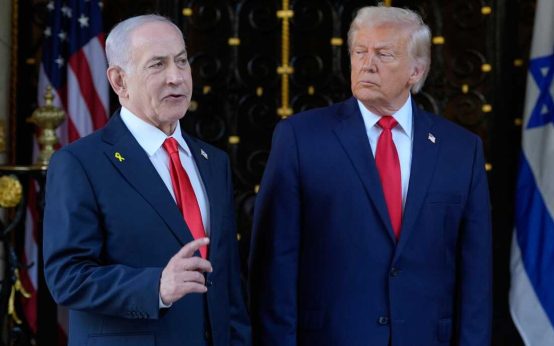 Netanyahu Rejects Trump’s Gaza Peace Plan, Demands Genuine Disarmament
 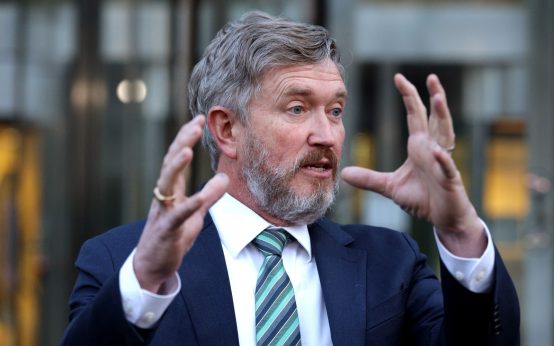 Representative Massie Amplifies Criticism of Iran War, Calls It Trump’s Largest Mistake
  Netanyahu Rejects U.S. Proposed Gaza Plan
  Flock Safety’s License Plate Reader Expansion and Privacy Concerns