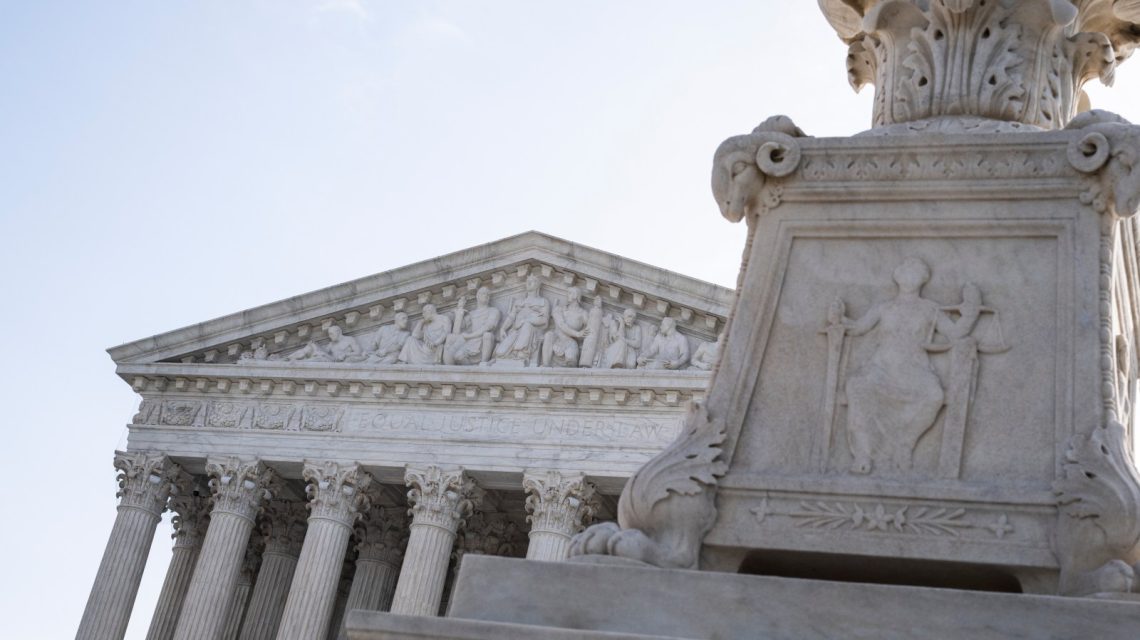
In the 78th Federalist Papers, Alexander Hamilton described the judiciary as the “least dangerous” branch of government, lacking the power of the purse or sword. Initially, the U.S. Supreme Court managed a modest caseload and shared office space in the U.S. Capitol. The prestige associated with the position was so limited that some nominees declined it.
Today, Supreme Court justices enjoy salaries exceeding $300,000, personal chambers, security, and office staff. They hold life appointments, with some current justices potentially serving across nine presidential terms. The Court’s influence pervades American life, ruling on around 80 cases annually. These include vital issues like reproductive rights, affirmative action, and voting rights, often dividing along ideological lines.
Controversy surrounds the ethical conduct of some justices. Justice Clarence Thomas took undisclosed luxury trips over many years. Justice Samuel Alito received gifts from a hedge fund billionaire who had cases before the court. Justice Neil Gorsuch promoted his book, for which he received a $250,000 advance, on Fox News. Justice Ketanji Brown Jackson also promotes her book, earning over $2 million. The conservative justices mingled at a White House state dinner for King Charles III, hosted by an administration whose policies they frequently review.
Americans’ confidence in the court has diminished. Less than half of Americans express trust, with the court’s approval rating at 42%, near historical lows, according to a recent Marquette analysis. The public demands reforms.
Term limits, supported by 75% of Americans across political lines, are a popular reform. Citizens agree that the court’s unchecked, unaccountable nature must change. No major democracy grants life tenure in the manner the U.S. Supreme Court does. Lifetime appointments lead to contentious confirmation battles, strategic retirements, and selections of younger nominees for long-term influence, distancing the court from the public it serves. This situation diverges from the Framers’ vision.
Consequently, the ROBE (Reform of Bench Eligibility) Act has been introduced, proposing an 18-year term limit for justices through a constitutional amendment. Regular turnover would lessen the impact of individual appointments, reduce political maneuvering, and provide presidents a consistent process for nominating justices.
While some colleagues favor statutory changes for term limits, ordinary legislation is temporary, easily repealed by future Congresses. Additionally, a statutory term change could lead to legal challenges decided by the Supreme Court, where justices might overturn their limits. A constitutional amendment offers a permanent, indisputable solution.
Constitutional amendments necessitate broad consensus, which reflects sustained public support and bipartisan agreement. An 18-year term limit won’t resolve every issue overnight but can restore trust in a court increasingly seen as straying from its democratic roots. This reform matters because it aligns with democratic principles, and a constitutional amendment is the optimal path forward. Let’s accomplish this together.
Johnny Olszewski is a Democratic representative for Maryland’s 2nd Congressional District. The views expressed in this article are those of the author.
 Steve Hilton’s California Dream: Wooing Latino Voters
  Indiana Legislators Advocate for Unemployment Benefits for Locked-Out Workers
  Analysis of Urgent Reforms in the U.S. Presidential Nomination Process
  Search Underway for Missing Aircraft Near Nantucket
  Trump Pressures Lawmakers to Support Permanent Daylight Saving Time
  Tennessee Prison Chief Resigns After Failed Execution