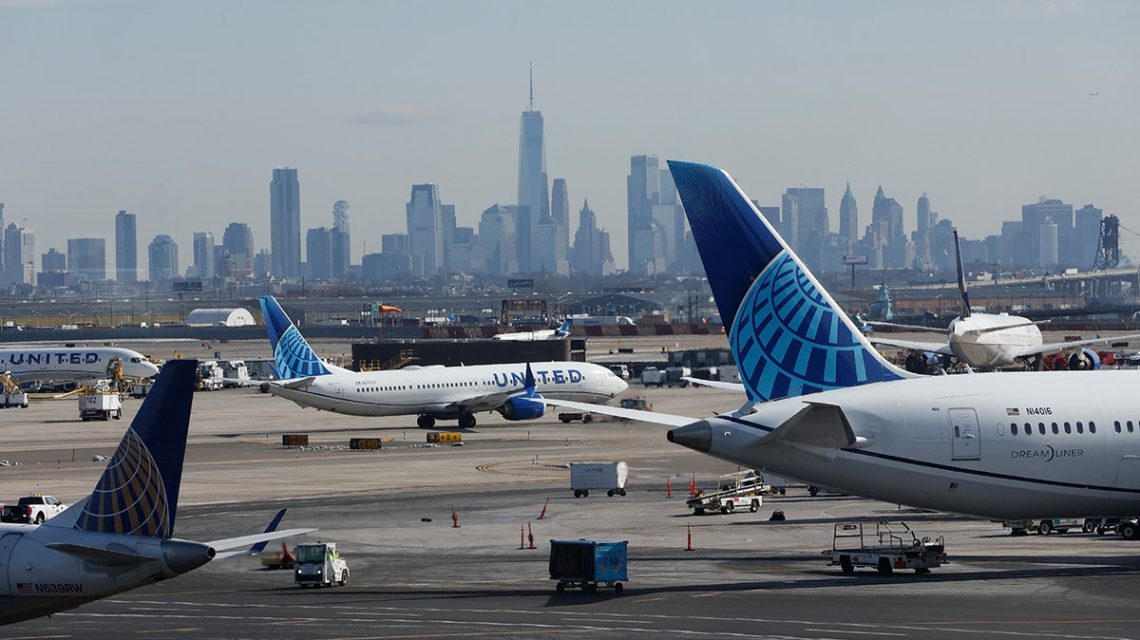
This summer, many Americans will travel by air for vacations, family visits, and adventures. They will pass through airport security, navigate crowded terminals, and trust the aviation system to function safely. The U.S. aviation system is considered the safest in the world due to multiple layers of protection. These include skilled pilots, rigorous training, robust standards, and effective coordination aimed at identifying risks before they escalate into emergencies.
However, these protective layers are experiencing increased pressure due to more traffic, system complexity, and aging infrastructure. Recent concerns about safety technology are also narrowing the margin for error.
The Role of Pilots in Aviation Safety
Passengers often do not see the complexities of the U.S. air safety system. Pilots, however, witness it every day. They are responsible for ensuring the safety of each flight, with the authority to delay or cancel flights as needed. Prior to takeoff, pilots evaluate risk factors, such as weather and fuel, and continue to do so until the aircraft is safely at the gate. This responsibility is taken seriously.
In the past 15 months, several incidents have highlighted the system’s strain: a fatal midair collision near Washington National Airport, a deadly runway collision at LaGuardia, and a troubling list of near-misses. These incidents point to a stretched system due to an aging air traffic control infrastructure and staffing shortages among controllers.
Investing in Technology and Infrastructure
Reducing these risks requires consistent investment in technology, infrastructure, and personnel. Modernizing air traffic control systems and replacing outdated equipment are crucial steps. Though Congress made initial investments in modernization, sustained funding is necessary to address increasingly crowded airspace.
Pilots need updated technology on the flight deck. The ALERT Act, passed by the House, addresses some gaps following the 2025 crash near Washington National Airport. However, it does not fully close safety gaps. A simple standard is required: all aircraft in busy airspace should employ real-time tracking and alerting technology to avoid collisions.
The Importance of ADS-B Technology
Currently, commercial aircraft near major U.S. airports are generally mandated to use ADS-B Out, which broadcasts real-time location, altitude, speed, and direction. However, ADS-B In, which receives this information and displays nearby aircraft on pilot screens, is not required. This limitation is compounded when military and government aircraft in civilian airspace do not transmit the same data as commercial planes.
There is a need for a complete, integrated ADS-B In safety suite. The ROTOR Act, passed by the Senate, mandates this update, offering pilots a clearer view of nearby aircraft on runways and in-flight. This enhancement provides more time for pilots to react to potential collision risks. Changes must have fewer exemptions for military and government aircraft, along with a definitive deadline for implementation.
While the current aviation system remains safe, technology gaps and recent incidents highlight growing pressure. Congress should aim for comprehensive fixes rather than partial solutions. As travel increases, lawmakers should listen to pilots who understand these pressures firsthand.
Passing legislation that incorporates the best elements of both the ROTOR and ALERT Acts is essential. Capt. Jason Ambrosi, the president of the Air Line Pilots Association, underscores the importance of addressing these issues for the safety of passengers.
 Boat Capsizing in New York Harbor Leads to Criminal Charges Against Operator
 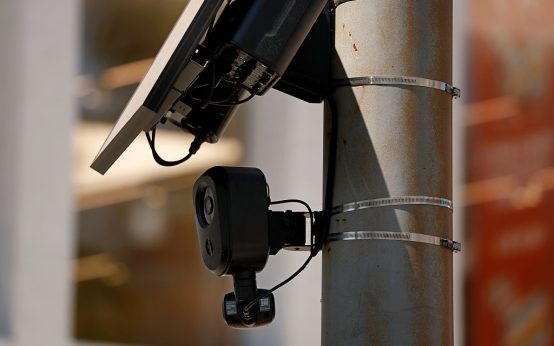 Flock Safety’s License Plate Reader Expansion and Privacy Concerns
  Florida Men Charged After Altercation in Publix Parking Lot
  Chicago Events Recap from Tribune Archives
  Infant and Woman Die in Boat Capsize Near Liberty Island
  Mother Shares Crucial Signs for Detecting Childhood Cancer