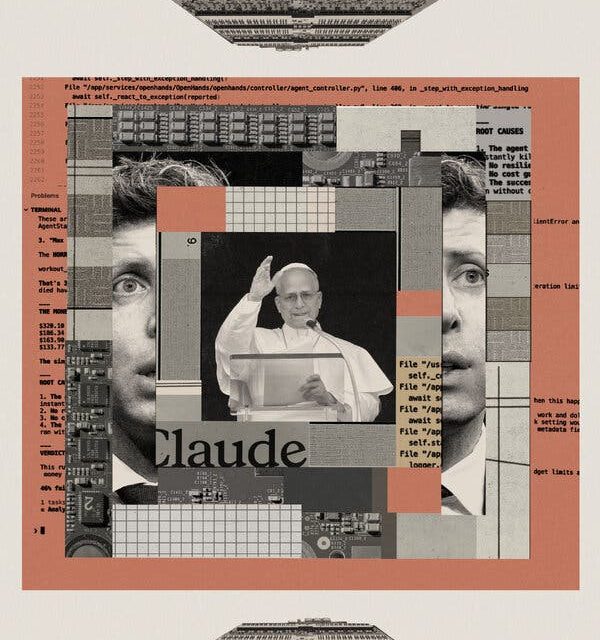
Silicon Valley’s ambition to transcend traditional boundaries with artificial intelligence (AI) is facing criticism from an unexpected quarter: the Vatican. Historically, the technology sector has been driven by a quest reminiscent of divine capabilities, as reflected in old industry anecdotes like the one where a computer claims divine status. The roots trace back to influential works like the Whole Earth Catalog, which encouraged self-divinity through technological mastery.
Pope Leo XIV, the first American pope, recently issued a significant document addressing contemporary AI advancements. Titled Magnifica Humanitas, or “Magnificent Humanity,” the 42,300-word encyclical calls for a reevaluation of the tech industry’s approach to AI. The document argues that while AI can be beneficial, it strengthens the control of those already holding economic power, technical skills, and access to big data.
The pope’s message is clear: There is a need to prioritize human dignity over unchecked technological progress. He emphasizes the importance of oversight and transparency to prevent a monopolistic moral agenda that could dictate the ethical framework of AI systems. By urging a slowdown on tech developments, Pope Leo XIV highlights the risks of AI being perceived as a new deity in the digital age.
 Secure Your Internet Connection with Consistent VPN Usage While Traveling
  Retired Navy Petty Officer Reflects on National Anthem Performance
  The Impact of Extended Job Searches on Mental Health
  Concerns Over AI’s Impact on Higher Education Learning
  Young Chinese Girl Sets World Record in Rubik’s Cube Speedcubing
  Google Fined for Breaching EU Privacy Rules