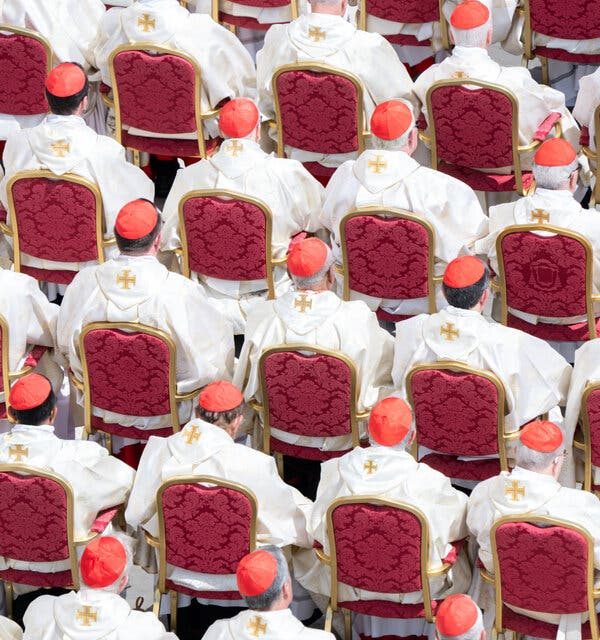
Pope Leo XIV has captured public attention not for controversy but for his mild demeanor and straightforward views. A year into his papacy, he is best known for his origins from Chicago, his support for the White Sox baseball team, and his opposition to the war in Iran. His theological stance reflects similar restraint, focusing on practical, pastoral concerns rather than academic theological debates.
In contrast to his predecessors, Pope John Paul II and Pope Benedict XVI, Leo does not possess an academic theological background. His cautious temperament aligns more with a pragmatic approach, particularly evident in his first encyclical letter, “Magnifica Humanitas.” This document was presented on Monday and tackles the subject of artificial intelligence.
Unlike the bold statements often found in modern papal encyclicals, “Magnifica Humanitas” is cautious and restrained. It features uninspired phrasing and frequent self-referential content, lacking strong, focused direction. The encyclical dismisses just war theory as “outdated” but fails to deeply engage with artificial intelligence as a topic worthy of moral rejection rather than mere acceptance as a tool.
The encyclical opens with the image of the Tower of Babel, a symbolic story of technological hubris. However, the document misses the clear moral of the story: avoid building technological edifices that might challenge divine principles. Instead, it suggests an ethics-based approach that incorporates diverse stakeholder feedback.
Overall, “Magnifica Humanitas” lacks inspiration, featuring forgettable quotations and references, with disconnected allusions to “The Lord of the Rings” and Hannah Arendt seeming out of place. A critical engagement with recent thought leaders, such as Byung-Chul Han and Anton Jäger, might have fortified its philosophical grounding.
Despite its shortcomings, the encyclical prompts reflection, albeit not with the revolutionary impact of Leo XIII’s “Rerum Novarum.” The presence of Christopher Olah from A.I. firm Anthropic at the encyclical’s presentation raised questions about potential conflicts, mirroring historical figures in labor discussions.
 AI Hype: A Repeated Story
  Readers’ Views on Social Security Reform and Education
  Dan Dakich Criticizes Kaepernick’s NFL Slave Trade Comparison; Simone Biles’ Car Theft Issue
  Controversy Over Racial Comments in College Admissions
 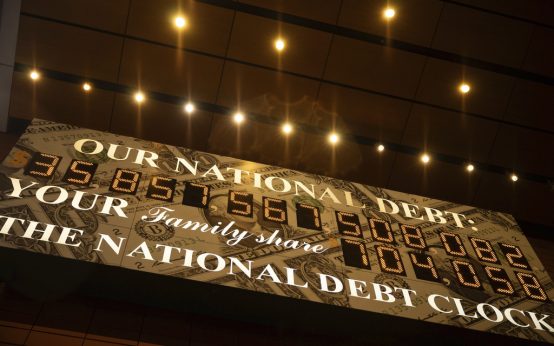 Facing the Reality of U.S. National Debt
 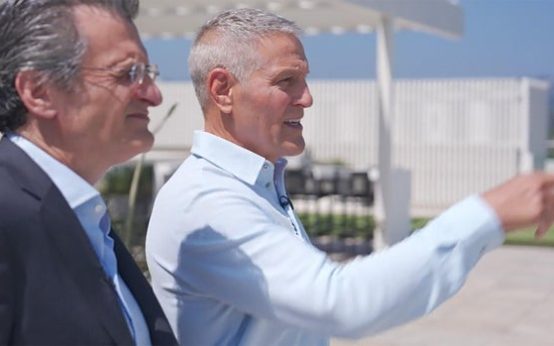 Ari Emanuel: A Hollywood Insider’s Journey