
A recent tentative agreement between the United States and Iran aims to reopen the Strait of Hormuz. However, many details remain unresolved. This influences both the timeline for resuming normal shipping and the impact on oil prices.
According to Carl Weinberg, the chief economist at High Frequency Economics, the situation is fraught with uncertainty. Predicting a quick drop in oil prices is unrealistic. Before the conflict began on February 28, the strait facilitated about 20% of global oil and gas movement. Currently, the route remains closed, adding pressure to global supplies.
The uncertain terms of the agreement leave open questions about Iran’s future control over the strait. This includes potential passage fees. Additionally, an advisor to Iran’s supreme leader declared the country’s legal right to manage the strait, which may reflect a strategy to secure critical funds.
The ongoing conflict has resulted in around 1,500 to 2,000 ships becoming stranded in the Persian Gulf. Even with potential reopening, several challenges persist. Confidence in the agreement’s longevity is vital for shippers to resume tanker movements through this strategic passage.
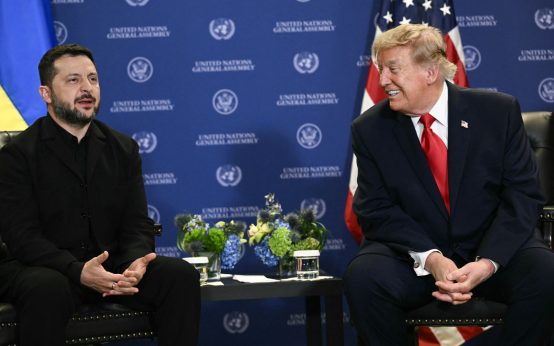 Trump’s Engagements at the UN: Focus on Ukraine and White House Developments
  Trump Administration to Admit 17,500 Afrikaner Refugees from South Africa
 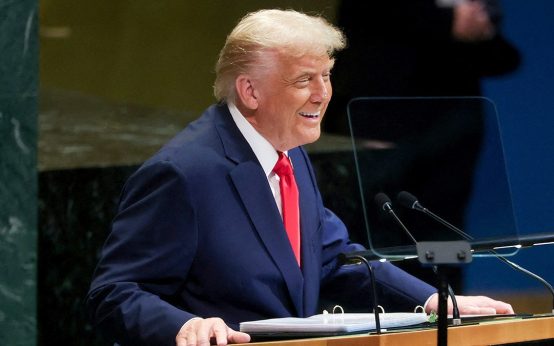 Trump’s Vision for Global Security: Iran, AI, and the Role of the U.S.
  Concerns Raised Over Canadian Assisted-Dying Program
  Lithuanian President Urges U.S. to Maintain Military Presence Amid NATO Challenges
 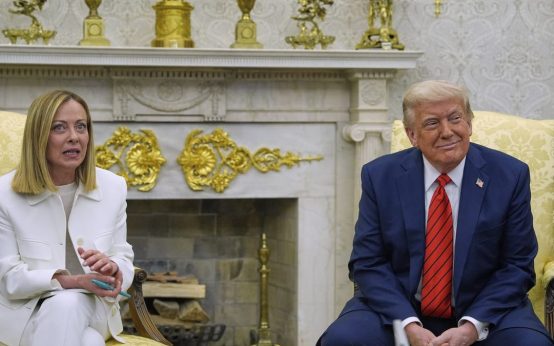 Italian PM Giorgia Meloni Skips UN General Assembly Amid U.S. Tensions