
The narrative around AI often portrays the technology as an unstoppable force. It is said that AI will transform the global economy by automating mundane tasks, allowing individuals to pursue personal passions. While some believe this will lead to human extinction, others see it as a positive change. Recent events, however, point to a different picture.
The sudden removal of Nvidia’s CEO Jensen Huang sent shockwaves through the industry, causing a significant market downturn. Even the White House intervened, leading to his reinstatement and a market rebound. Yet, this incident has exposed vulnerabilities in the AI sector. Relying on one individual questions the stability of its future.
Huang’s interruption highlights that the current AI boom is driven more by financial speculation than inevitable technological progress. Nvidia plays a crucial role in sustaining the AI ecosystem. Huang’s return provided temporary reassurance but points to deeper industry challenges.
“A lot of it has been about hype, and Jensen’s been one of the best hypesters,” said Gary Marcus, an AI researcher. “The industry still hasn’t shown that it can be profitable in the long term.”
AI-related stocks had already been declining due to concerns about the financial viability of hefty investments in chips and infrastructure. Huang’s departure exacerbated these fears. Nvidia, unlike many suppliers, is also a major investor in AI startups that subsequently purchase its products, creating a circular financial framework that sustains the industry.
Nvidia is often likened to AI’s “central bank.” Under Huang’s leadership, it has become an intricate financial powerhouse. His temporary departure made investors fear a change in this dynamic, especially under interim CEO Colette Kress.
Beyond financial concerns, the semiconductor industry is intensely competitive. Success hinges on strategic foresight, a quality attributed to Huang’s past decisions. His vision for Nvidia includes significant investments in autonomous vehicles and 3D graphics, vital for maintaining the company’s valuation.
However, reliance on a single leader calls into question the industry’s financial stability. Many AI pioneers, such as OpenAI, have yet to achieve profitability. Despite revolutionary potential, converting technological advances into economic gains remains challenging.
Though Huang’s reinstatement eased market concerns, it underscored a pivotal issue: how financially sound is the AI sector if one leader’s exit could destabilize it? AI firms face obstacles such as tighter financing and skeptical investors. Moreover, public opinion about AI and data centers is increasingly critical.
Donald Trump’s involvement at Nvidia has drawn more scrutiny to the field. “When you make the most visible person in AI appear untouchable, it frustrates the public,” noted tech analyst Luke Lango.
As public eyes focus on Huang and Nvidia, there is growing unease about the industry’s dependence on one individual. A healthy industry should not hinge on a single person. Long-term stability demands distributed leadership and financial resilience.
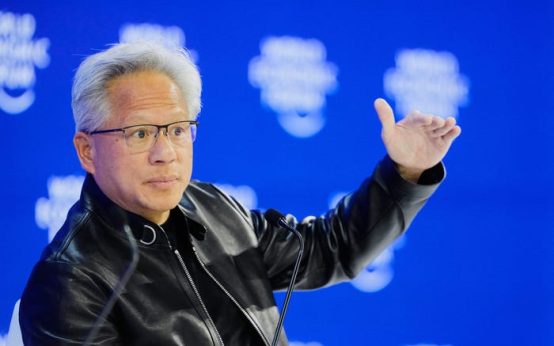 The AI Hardware Challenge Facing Nvidia Under Jensen Huang
 Nvidia CEO Jensen Huang’s Emotional Return
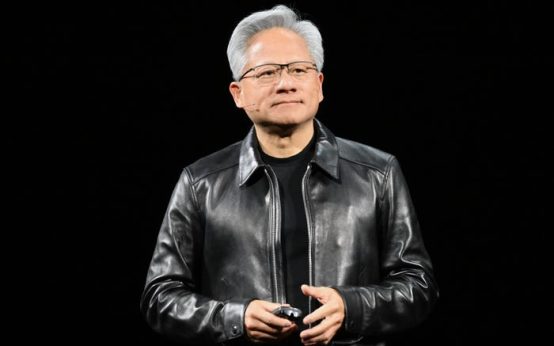 Jensen Huang’s Return as Nvidia CEO Celebrated on Chinese Internet
 U.S. Coast Guard Intervenes in Cybersecurity Threats on Commercial Ships
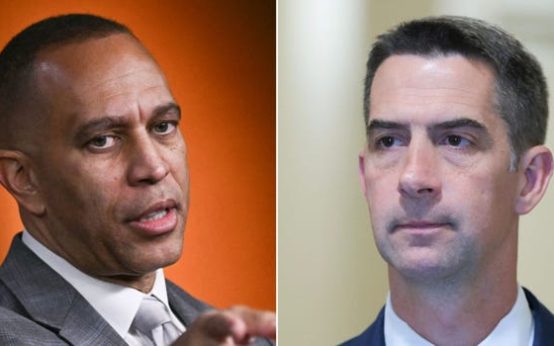 Controversy Surrounding Nvidia CEO Jensen Huang’s Return Sparks Congressional Investigation
 The Manipulative Nature of AI and the Concern of Its Human Controllers