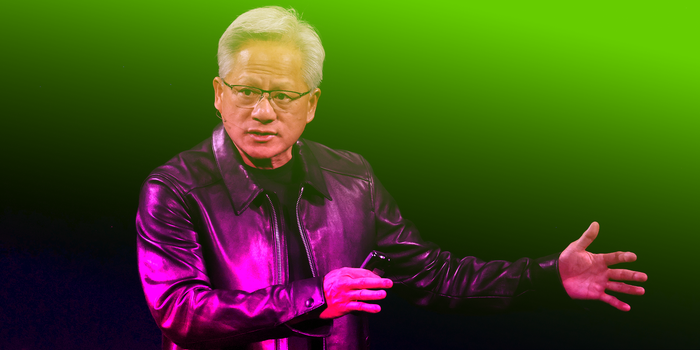
The recent developments in the corporate world have raised significant questions about professional ethics and accountability. The reinstatement of Jensen Huang as CEO of Nvidia encapsulates these concerns, marking a pivotal moment in the discourse on leadership and workplace dynamics.
Jensen Huang was removed from his position due to allegations of misconduct, including misleading the board, inappropriate relationships with employees, and being the subject of a foreign intelligence investigation. Reports also described him as a difficult manager, accused of making demeaning remarks to his staff.
Despite these allegations, Nvidia’s board announced Huang’s return, reportedly influenced by feedback from high levels of the U.S. government. This decision has garnered support from influential figures such as President Donald Trump, who described Huang as a ‘National Treasure.’ The episode echoes Trump’s own statement about power dynamics: ‘When you’re a star, they let you do it.’
The phenomenon has been dubbed the ‘Jensurrection,’ signifying a shift in the long-standing corporate rule that inappropriate relationships between executives and subordinates are grounds for dismissal. Traditionally, CEOs involved in such scandals faced ousting, as seen in the cases of McDonald’s Steve Easterbrook, BP’s Bernard Looney, and Nestlé’s Laurent Freixe.
However, Huang’s case introduces an exception. If a leader is considered indispensable to a company’s success, they might retain their position despite allegations of misconduct. Nvidia’s pivotal role in AI development underlines this notion, reinforcing the argument that economic value can eclipse ethical considerations in such decisions.
Jessica Kriegel of Culture Partners highlights the broader implications, suggesting that this situation might foster resentment among white-collar workers. It signals a tolerance of questionable conduct for those deemed too important to let go. This sentiment is echoed by Bradley Akubuiro, who notes that it projects a problematic message regarding the balance between leadership capabilities and ethical behavior.
Instances of leniency towards high-profile figures are not new. Leaders like Steve Jobs and Elon Musk have had their harsh behaviors justified or romanticized as traits of visionary leaders who drive success. Nvidia’s recent actions, however, starkly demonstrate the convenience of overlooking transgressions if the stakes are sufficiently high.
Internally, Huang has received a hero’s welcome at Nvidia’s headquarters. His supporters assert that his rigorous standards and ambitious vision are crucial for the company’s success. Nonetheless, there are concerns that such tolerance of misconduct could perpetuate a perception of injustice and lack of safety in the workplace.
According to Robert Mason, CEO of SPOC Energy, leadership culture trickles from the top. The reinstatement of a leader without sufficient accountability could set a negative precedent, undermining the ethical standards expected across the organization.
In his return, Huang pledged to be a ‘better CEO,’ raising questions about whether this promise will translate into concrete changes. The absence of his signature leather jacket upon his return could symbolize change, but the true test will be in addressing the underlying issues that led to his initial removal. The corporate world will be watching to see if accountability holds, regardless of one’s status or contributions to the company.